Standing in front of a masterpiece should feel like a moment of connection, not an endurance test. Yet so many of us leave art exhibitions feeling drained, our feet aching and our minds foggy. The experience of viewing art doesn’t have to exhaust you. With a few thoughtful adjustments to how you approach your visit, you can enjoy the beauty and depth of an exhibition while keeping your energy intact. It’s not about rushing through or skipping pieces – it’s about being intentional with your time and attention so you leave feeling inspired rather than depleted.
Plan Your Visit Like You Mean It
The energy you bring to an art exhibition starts before you even walk through the door. Booking your tickets in advance gives you control over your schedule and helps you avoid the stress of crowded peak hours. When you show up during a quieter time, you’re not fighting for space in front of each piece or navigating through packed galleries. That alone reduces the physical and mental drain.
Before you go, take a few minutes to look at the exhibition map or website. Most museums and galleries offer floor plans that show where specific collections or featured works are located. You don’t need to plot every step, but knowing the layout helps you prioritize what genuinely interests you. If you’re drawn to modern sculpture but less enthusiastic about Renaissance portraits, you can structure your visit accordingly. This isn’t about skipping sections – it’s about giving yourself permission to focus your limited energy on what resonates most.
Consider the practical elements too. Wear comfortable shoes that support your feet for extended periods of standing and walking. Physical fatigue is one of the most common complaints among museum visitors, and it’s often entirely preventable. Your footwear matters more than you might think when you’ll be on your feet for an hour or more.
Move Through the Space Mindfully
One of the biggest mistakes people make at art exhibitions is trying to see everything at the same pace. You move from room to room, piece to piece, giving each work roughly the same amount of attention because it feels like that’s what you’re supposed to do. But not every piece will speak to you equally, and that’s perfectly fine.
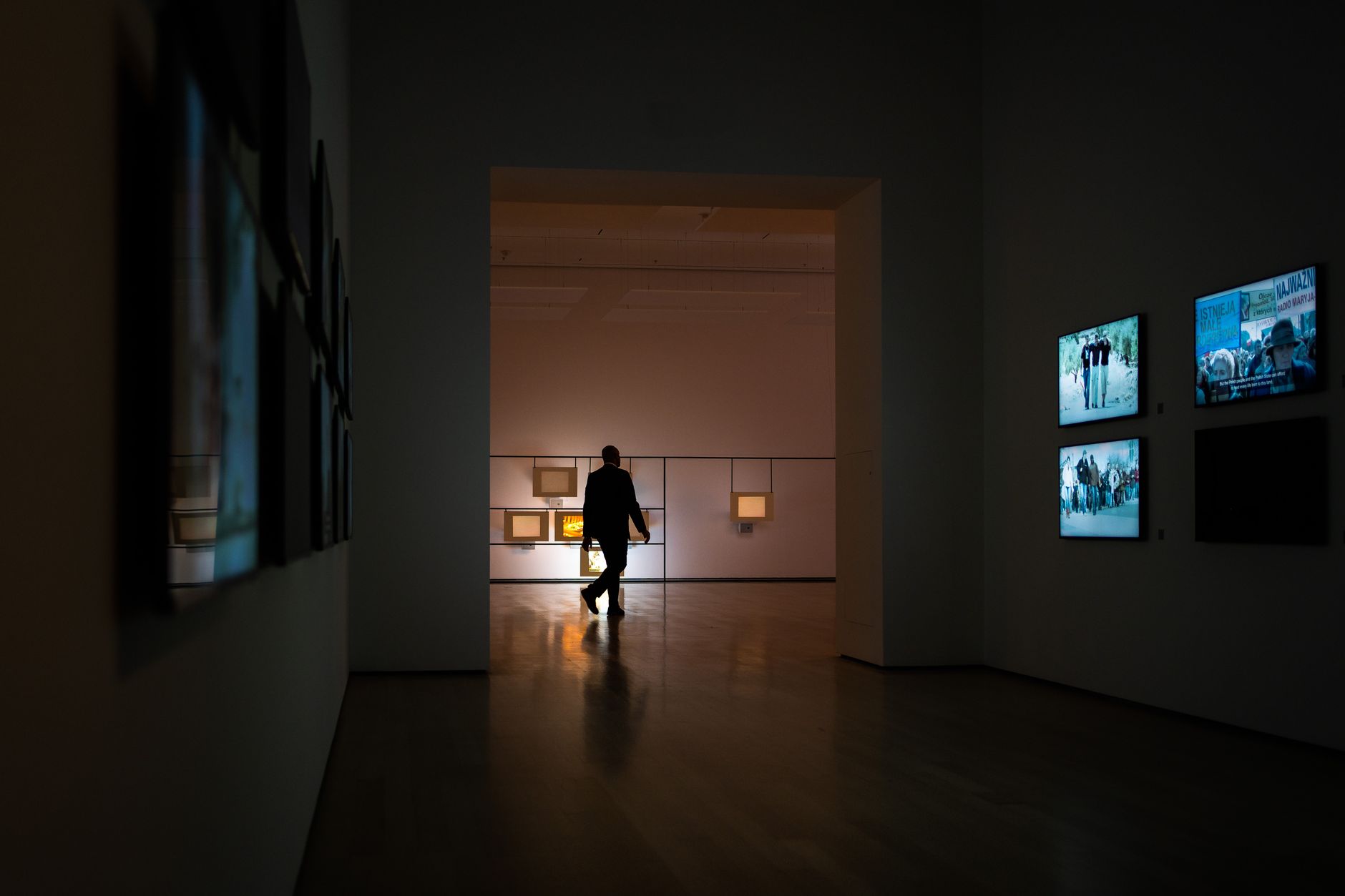
Standing and walking in short bursts helps keep your circulation flowing and delays the onset of tiredness. Rather than powering through an entire wing without pause, allow yourself to move naturally between standing still to observe and walking slowly to the next piece. If something catches your eye, stop and really look at it. If something doesn’t resonate, it’s okay to keep moving.
Taking breaks every 45 minutes or so can help refresh your senses and reset your attention span. Research suggests that most people stop absorbing information effectively after about 30 to 45 minutes of focused viewing. When you notice your mind starting to wander or your eyes glazing over, that’s your signal to step away. Find a bench, sit down, and just rest for a few minutes. Many museums have seating areas or courtyards specifically for this purpose. You’re not wasting time – you’re actually extending your capacity to engage with the art.
Some visitors find slow looking techniques helpful for deepening their experience without increasing fatigue.
Manage Information Overload
Audio guides and wall text can enhance your understanding of artwork, but they can also contribute to exhaustion when overused. Reading too much information or listening to lengthy explanations for every single piece adds a cognitive load that compounds over time. Your brain is working to process visual information, read or listen to context, and synthesize it all into meaning. That’s a lot of mental effort.
Be selective with supplementary information. If you’re using an audio guide, choose just a few works that genuinely intrigue you rather than hitting play for everything. Read the introductory wall text for each room to get oriented, but don’t feel obligated to read every single label. Sometimes the most meaningful encounters with art happen when you let yourself look first and read later, allowing your own impressions to form before you absorb someone else’s interpretation.
The same principle applies to exhibition booklets, apps, and docent tours. These resources exist to enhance your experience, not dictate it. Use them as tools when they add value, but don’t let them become a checklist you have to complete. Your visit should feel exploratory, not like homework.
One approach that works well for many visitors is to focus on what truly interests them rather than trying to see everything systematically. This prevents mental overload and lets you have a more rewarding experience with fewer artworks instead of rushing through many pieces that don’t particularly move you.
Give Yourself Permission to Curate Your Own Experience
There’s an unspoken pressure many of us feel in museums and galleries – the sense that we should appreciate everything equally, that we’re somehow failing if we don’t spend time with every work on display. But art is subjective, and your time is valuable. You’re allowed to walk past pieces that don’t interest you. You’re allowed to spend twenty minutes with one painting and thirty seconds with another.
Think of your visit as a conversation rather than a survey. You wouldn’t feel obligated to have an equally deep conversation with every person at a party, and the same logic applies here. Some works will draw you in immediately, sparking questions or emotions. Others might leave you cold, and that’s perfectly valid. The goal isn’t to force appreciation – it’s to find the pieces that genuinely connect with you.
This selective approach actually makes your visit less tiring because you’re not fighting against your own natural responses. When you give yourself permission to move quickly past work that doesn’t resonate, you conserve mental and emotional energy for the pieces that do. You also avoid the frustration and fatigue that come from trying to manufacture feelings or insights about every single thing you see.
Many experienced gallery-goers suggest visiting with a loose framework rather than a rigid plan. You might decide to spend your time in just two or three rooms, or you might wander and see where your attention naturally lands. Both approaches are valid as long as you’re being honest with yourself about what you actually want from the experience.
This article is for general information only and is not medical advice; talk to a qualified healthcare professional about your own situation.
Ques and Ais
How long should I spend at an art exhibition to avoid fatigue?
Most people find that spending between 60 and 90 minutes gives them enough time to engage meaningfully without exhausting themselves. If you’re planning a longer visit, break it into segments with substantial rest periods in between to maintain your energy and focus.
Should I use an audio guide at an art museum?
Audio guides can add valuable context, but use them selectively for pieces that truly interest you rather than every work. Listening to lengthy descriptions for everything increases cognitive load and can contribute to faster fatigue, so choose quality over quantity.
What time of day is best for visiting art exhibitions?
Weekday mornings or late afternoons typically have smaller crowds, making your visit more relaxed and less physically tiring. Visiting during off-peak hours also gives you more space to move freely and sit when needed without competing for benches.
Is it okay to skip artworks that don’t interest me?
Absolutely. You’ll have a more meaningful and less exhausting experience focusing on works that genuinely speak to you rather than forcing yourself to spend equal time with everything. Your attention is a limited resource worth spending wisely.
How can I tell when I need to take a break during my visit?
When you notice your eyes glazing over, your mind wandering frequently, or you’re no longer really seeing the art in front of you, it’s time to rest. Physical signs like foot soreness or general restlessness also signal that a break would help.
So, What We Learned?
Enjoying art without exhaustion comes down to treating yourself with the same care you’d give a valued friend. You wouldn’t push them to power through every gallery without rest, and you shouldn’t do it to yourself either. The exhibitions will still be there, the art isn’t going anywhere, and your experience becomes richer when you’re not fighting fatigue. By planning thoughtfully, moving mindfully through the space, managing information intake, and giving yourself permission to be selective, you transform what could be an endurance test into something genuinely enjoyable. The point isn’t to see everything – it’s to truly see what matters to you. Next time you visit a gallery or museum, remember that less can absolutely be more. A handful of works you really connect with will stay with you far longer than dozens you barely registered through the fog of exhaustion. That’s not settling for less – that’s choosing better.