When your child comes home asking why their classmate is celebrating a holiday you’ve never heard of, it’s more than just curiosity at play. It’s an opportunity to build understanding, empathy, and a broader view of the world right from your kitchen table. Explaining celebrations from other cultures to children doesn’t require a degree in cultural studies or a perfect script. It just takes a willingness to explore together, ask genuine questions, and help your child see that different traditions carry meaning and joy for the people who celebrate them. In a world where children increasingly learn alongside peers from diverse backgrounds, these conversations matter more than ever.
Start With the Story Behind the Celebration
Children connect with stories far more than abstract concepts. When introducing a celebration from another culture, lead with the narrative that gives it meaning. For Diwali, you might explain that it’s known as the Festival of Lights and celebrates the triumph of light over darkness and new beginnings. The word “Diwali” comes from a Sanskrit word meaning “row of lights,” which makes sense when you learn that people decorate their homes with small lamps called diyas and light up the night sky with fireworks.
What makes this approach work is that it gives children something concrete to picture. They can imagine homes glowing with tiny oil lamps, families gathering to celebrate hope and renewal. You’re not just listing facts about what people do during Diwali. You’re helping your child understand why it matters to the people celebrating. This is especially powerful when you explain that while Diwali is a major holiday for Hindus, Sikh and Jain communities also celebrate versions of it, as do some Buddhists and non-religious Indians, and it marks the beginning of the Hindu New Year for many.
The same storytelling approach works for Hanukkah. Rather than overwhelming a young child with complex history, you can explain that Hanukkah, which means “dedication” in Hebrew, commemorates a historical victory for religious freedom and a miracle where oil for a lamp lasted for eight nights instead of one. That’s why families light a menorah, a special candelabrum with nine branches, adding one candle each night. The traditions of playing dreidel, a spinning top game, and eating foods fried in oil like latkes and jelly donuts all connect back to that story of light, perseverance, and celebration.
Focus on What Children Can See and Do
Abstract values and historical context matter, but children learn best through tangible experiences. When explaining Kwanzaa, a secular holiday celebrated from December 26 to January 1, talk about the physical elements first. There’s a special candle holder called a kinara that holds seven candles in red, black, and green. Each of the seven days represents a principle, such as Umoja, which means Unity, and Kujichagulia, which means Self-Determination. While these concepts might sound complex, you can simplify them: Unity means coming together as a family and community; Self-Determination means deciding your own path and making your own choices.
The beauty of Kwanzaa is that it emphasizes learning and practicing principles, community bonding, and participating in cultural activities like music and dance. Unlike some winter holidays, Kwanzaa has less emphasis on gift-giving and more focus on celebration, reflection, and connection. For a child, this might be the first time they realize that not all celebrations revolve around presents, and that’s a valuable lesson in itself.
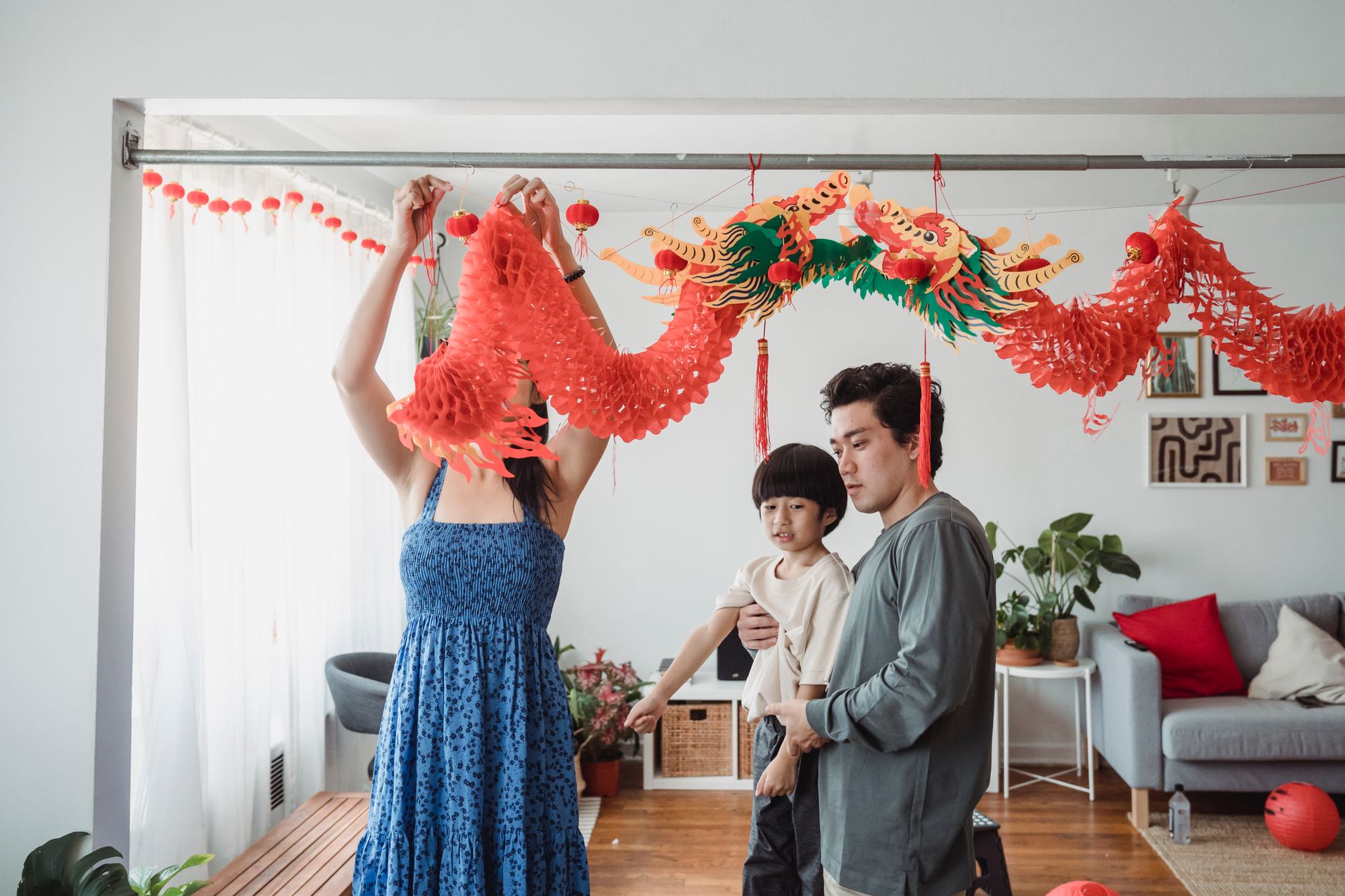
Lunar New Year offers another rich opportunity for hands-on understanding. Also known as Chinese New Year, it’s based on the lunisolar calendar and typically falls between January 21 and February 20. Children are often captivated by the dragon and lion dances, the bright red envelopes exchanged as gifts, and the loud firecrackers meant to scare away bad luck. You can explain that many Asian countries use this calendar to mark the start of a new year, and traditions include family reunions, special foods that symbolize prosperity and good fortune, and wearing red for luck and happiness.
Address the Questions Children Actually Ask
When children encounter unfamiliar celebrations, they ask blunt, honest questions. “Why don’t we celebrate that?” “Is their holiday better than ours?” “Can we do that too?” These questions aren’t rude, they’re natural curiosity trying to make sense of difference. Your response sets the tone for how your child will approach diversity throughout their life.
Start by validating their curiosity. Explain that different families celebrate different holidays for many reasons: where their ancestors came from, what religion they practice, or what values they want to honor as a family. No holiday is better or worse, they’re just different, and each one is special to the people who celebrate it. Some families celebrate multiple holidays from different traditions, while others focus on just one or two. There’s no single right way to mark the passage of time or celebrate what matters.
If your child wants to participate in a classmate’s celebration, that can be wonderful, but approach it with respect. Attending a Diwali party hosted by a friend’s family, trying traditional Lunar New Year foods, or learning about the principles of Kwanzaa at school are all positive experiences. The key is teaching your child to be a respectful guest, not someone who treats another culture’s traditions as entertainment or novelty. Ask questions, show genuine interest, and thank the people sharing their traditions with you.
Make It Part of Everyday Learning
You don’t need to wait for a specific holiday to approach before talking about celebrations from other cultures. Books, movies, and even casual conversations throughout the year can introduce these concepts naturally. When you’re at the library, look for picture books that showcase different holidays. When you’re cooking dinner, you might mention that some families prepare special foods for Lunar New Year or Hanukkah. These small, consistent moments build cultural awareness far more effectively than a single, awkward lecture.
Resources from organizations focused on cultural awareness can help you find age-appropriate ways to introduce these topics. You might also look for community events where different cultural celebrations are shared publicly. Many cities host Lunar New Year festivals, Diwali celebrations, or cultural fairs where families can experience music, dance, food, and traditions firsthand.
The goal isn’t to turn your child into an expert on every cultural celebration around the world. It’s to build comfort with difference, curiosity about other people’s experiences, and the understanding that there are many meaningful ways to celebrate, connect, and mark important moments. These lessons extend far beyond holidays. They shape how your child will approach classmates, neighbors, colleagues, and strangers throughout their life.
This article is for general information only and is not medical advice; talk to a qualified healthcare professional about your own situation.
Ques and Ais
How do I explain Diwali to a young child?
Tell them it’s called the Festival of Lights and celebrates light winning over darkness. Families decorate their homes with small lamps called diyas, set off fireworks, and celebrate new beginnings. It’s a joyful holiday that marks the Hindu New Year for many people.
What’s the best age to start teaching children about other cultures’ celebrations?
You can start as early as preschool age with simple stories and pictures. Young children are naturally curious and open to learning about different traditions. Keep explanations concrete and age-appropriate, focusing on what children can see, hear, and experience.
Should I let my child participate in celebrations from cultures we don’t belong to?
If you’re invited by someone from that culture or attending a community event, participation with respect is wonderful. Teach your child to be a gracious guest, ask questions politely, and appreciate the experience. Avoid turning another culture’s traditions into costumes or entertainment at home.
How can I teach about Kwanzaa when my family doesn’t celebrate it?
Focus on the seven principles like Unity and Self-Determination, which are universal values anyone can appreciate. Explain that it’s a time for African American families to celebrate heritage, community, and culture. You can learn about the symbols like the kinara without appropriating the celebration.
What if I don’t know much about a celebration my child asks about?
Be honest and say you’ll learn together. Use library books, educational resources designed for children, or reach out to families who celebrate that holiday. Your willingness to learn alongside your child models curiosity and respect.
So, What We Learned?
Explaining celebrations from other cultures to children is less about memorizing facts and more about building a mindset. When you help your child understand that Diwali, Hanukkah, Kwanzaa, and Lunar New Year carry deep meaning for the people who celebrate them, you’re teaching empathy, curiosity, and respect for difference. These conversations don’t need to be perfect or encyclopedic. They just need to be honest, thoughtful, and grounded in the understanding that there are many beautiful ways to mark time, celebrate community, and honor what matters.
The real gift you give your child isn’t a comprehensive education in world religions or cultural practices. It’s the comfort to ask questions, the humility to admit when you don’t know something, and the genuine interest in understanding why something matters to someone else. In 2026, as our communities become increasingly diverse and interconnected, these skills will serve your child far better than any single fact about a holiday. Start the conversations now, follow your child’s curiosity, and learn together as you go.