Long car rides with children can turn into either cherished family memories or hours of chaos, depending largely on how you prepare. The difference between a smooth journey and a stressful one often comes down to planning ahead, setting realistic expectations, and keeping everyone comfortable and engaged. Whether you’re driving across state lines or just heading to visit relatives a few hours away, the right approach can transform the experience from something you dread into something everyone actually enjoys. Here’s how to plan a road trip with kids that stays fun from the first mile to the last.
Start With Realistic Timing and Breaks
The single biggest mistake parents make is trying to drive straight through without factoring in how often kids actually need to stop. Young children can’t sit still for hours at a stretch, and expecting them to do so just sets everyone up for frustration. Plan your route with regular breaks built in, not as an afterthought.
A good rule of thumb is to stop every two hours, or more often if you have toddlers. Use rest stops, parks, or even empty parking lots where kids can run around and burn off energy. These breaks don’t have to be long, but they need to happen. Letting children stretch their legs, use the bathroom, and move their bodies makes the next leg of the journey infinitely easier.
Timing your departure can also make a huge difference. Some families swear by leaving early in the morning or late at night, when kids are more likely to sleep through part of the drive. Others prefer midday departures that align with normal nap times. Think about your own children’s rhythms and what works best for your family, rather than following someone else’s formula.
Don’t overschedule your days, either. If you’re planning stops along the way, leave plenty of cushion time. Traffic happens, detours appear, and kids take longer than you think to get back in the car. Building in extra time reduces stress and gives you flexibility when things don’t go exactly as planned.
Pack Smart Snacks and Drinks
Hunger and thirst can quickly derail even the best-planned trip. Keep a cooler or insulated bag within easy reach, stocked with healthy snacks that won’t make a huge mess or spike everyone’s energy levels before crashing. Fresh fruit, crackers, cheese sticks, granola bars, and cut vegetables work well. Avoid anything too sugary or complicated to eat in a moving car.
Water bottles are essential. Give each child their own reusable bottle with their name on it, and refill them at rest stops. Staying hydrated helps everyone feel better and reduces headaches and crankiness. Skip the juice boxes if you can, they often lead to more frequent bathroom stops and sugar crashes.
Think about when you’ll offer snacks, too. Spacing them out gives kids something to look forward to and helps break up the drive into manageable chunks. You might offer a snack an hour into the trip, then again after the first rest stop. Planning ahead for healthy food options keeps everyone comfortable and prevents last-minute fast-food stops that can upset stomachs or slow you down.
Having wipes and paper towels handy is just as important as the food itself. Spills and sticky fingers are inevitable, and being able to clean up quickly keeps the car from turning into a disaster zone.
Keep Them Entertained Without Screens Alone
Screen time is a lifesaver on long drives, and there’s no shame in using it. But relying only on tablets and phones can lead to eye strain, boredom once the device dies, and missed opportunities to actually enjoy the trip together. Mix in other activities to keep things interesting.
Classic car games still work beautifully. “I Spy,” the license plate game, counting specific colored cars, or making up stories together can engage kids for surprisingly long stretches. Audiobooks are another fantastic option. Choose stories that the whole family can enjoy, and let the narrative carry you down the road. Many libraries offer free digital audiobook rentals, so you don’t have to spend much to build a good collection.
Small toys and activities packed in individual bags can also help. Think coloring books, small puzzles, sticker books, or magnetic drawing boards. Rotate them throughout the trip so kids aren’t overwhelmed with choices all at once. New items work especially well, even inexpensive ones from a dollar store can feel exciting and hold attention longer than familiar toys.
Music is another simple but powerful tool. Create playlists that include everyone’s favorites, and let kids take turns choosing songs. Singing along together can lift moods and create those moments you’ll remember later. Don’t underestimate the power of simply talking, either. Ask open-ended questions about what they’re looking forward to, or play “would you rather” to spark conversation.
Prepare for the Unexpected
No matter how well you plan, something will probably go off script. A child might get carsick, someone might spill an entire juice box, or traffic might add an extra hour to your drive. Having a few essentials on hand makes these moments manageable instead of catastrophic.
Pack a change of clothes for each child in an easily accessible bag, not buried in the trunk. Include an extra shirt for yourself, too. Keep plastic bags handy for soiled clothes or motion sickness emergencies. A basic first aid kit, pain relievers, and any medications your family needs should be within reach.
If your child is prone to car sickness, plan accordingly with strategies like looking out the window or sitting in the middle seat if possible. Having crackers and ginger candies available can help settle stomachs, as can fresh air and frequent breaks.
Stay flexible with your plans. If everyone’s melting down and you’re still an hour from your planned stop, it’s okay to pull over early. The goal is to arrive safely and in good spirits, not to stick rigidly to a schedule that’s making everyone miserable. Some of the best road trip memories come from unexpected detours and spontaneous stops.
This article is for general information only and is not medical advice; talk to a qualified healthcare professional about your own situation.
Ques and Ais
How long can kids sit in a car without a break?
Most young children do best with a break every two hours or less. Toddlers and preschoolers often need to stop even more frequently. Regular breaks help prevent restlessness, discomfort, and behavior problems, and they give everyone a chance to stretch and reset.
What are the best snacks for a road trip with kids?
Fresh fruit, crackers, cheese sticks, granola bars, and cut vegetables are all good choices. Look for foods that are easy to eat without much mess and won’t cause big energy spikes and crashes. Keep water easily available and avoid too many sugary drinks.
Should I drive at night so my kids will sleep?
Night driving works well for some families, especially if your children sleep easily in the car. However, it also means you’re driving when you’re tired, which can be dangerous. Consider your own alertness and whether your kids actually sleep in the car before committing to this strategy.
How do I keep my child from getting carsick?
Encourage them to look out the window at the horizon rather than down at books or screens. Fresh air, crackers, and sitting in the middle seat can all help. Frequent breaks and avoiding heavy meals before the drive also reduce the likelihood of motion sickness.
What if my child refuses to get back in the car after a stop?
Stay calm and give them a few minutes to transition. Sometimes a small snack, a favorite song, or the promise of a special activity once you’re back on the road helps. Acknowledge their feelings while staying firm about the need to continue, and avoid turning it into a power struggle.
So, What We Learned?
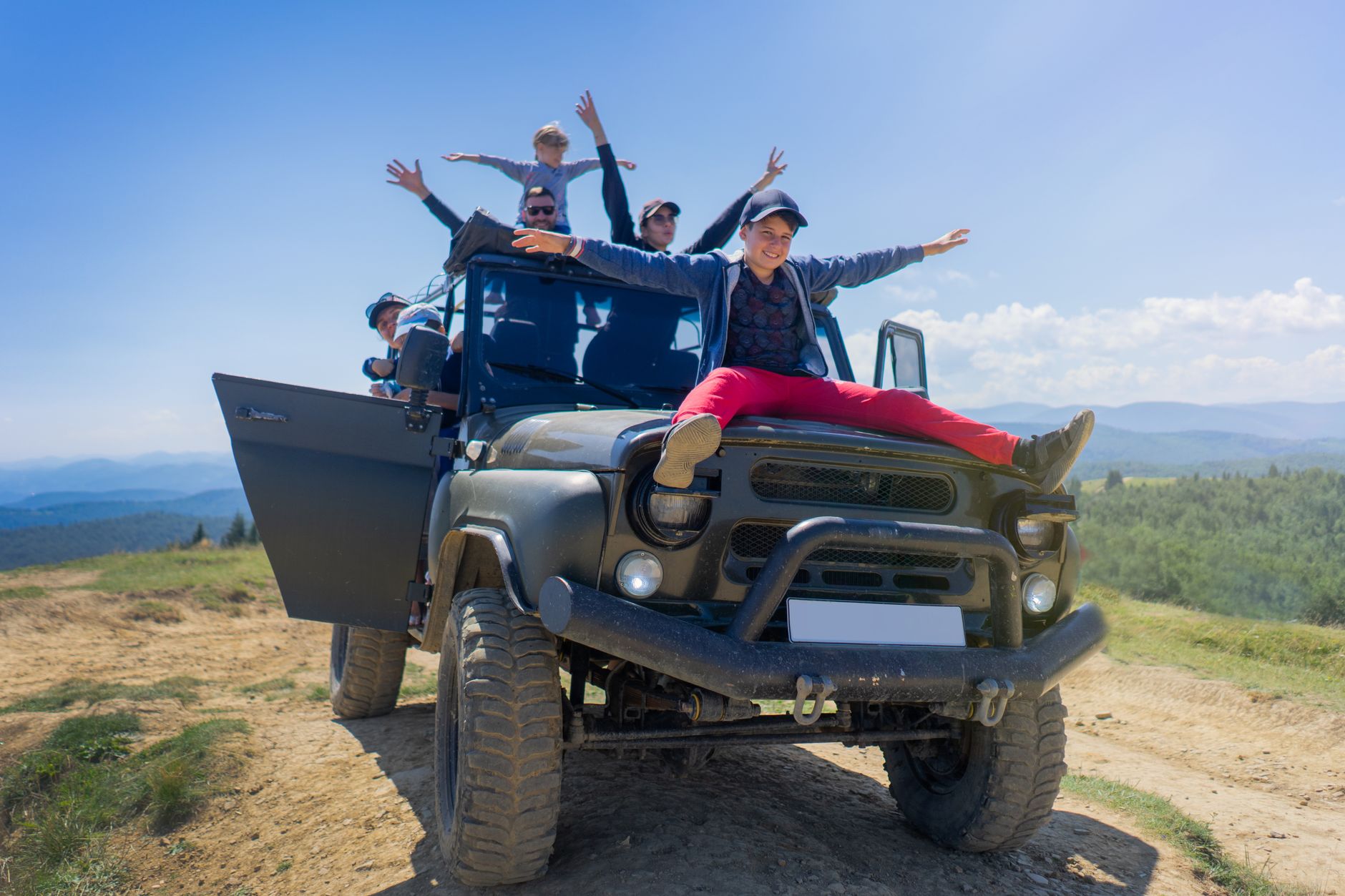
Planning a road trip with kids that actually stays fun comes down to preparation, flexibility, and realistic expectations. You can’t control everything, and trying to will only make the trip more stressful for everyone. What you can do is pack thoughtfully, build in breaks, offer a variety of entertainment, and stay ready to adapt when things don’t go exactly as planned. The best road trips aren’t the ones where everything goes perfectly. They’re the ones where you roll with the unexpected, laugh at the spills, and focus on being together. Your kids won’t remember whether you made perfect time or stuck to the exact schedule. They’ll remember singing their favorite songs, the funny thing someone said at a rest stop, and the feeling of adventure that came from going somewhere new as a family. Plan well, but leave room for the moments you can’t plan. That’s where the real memories live.