
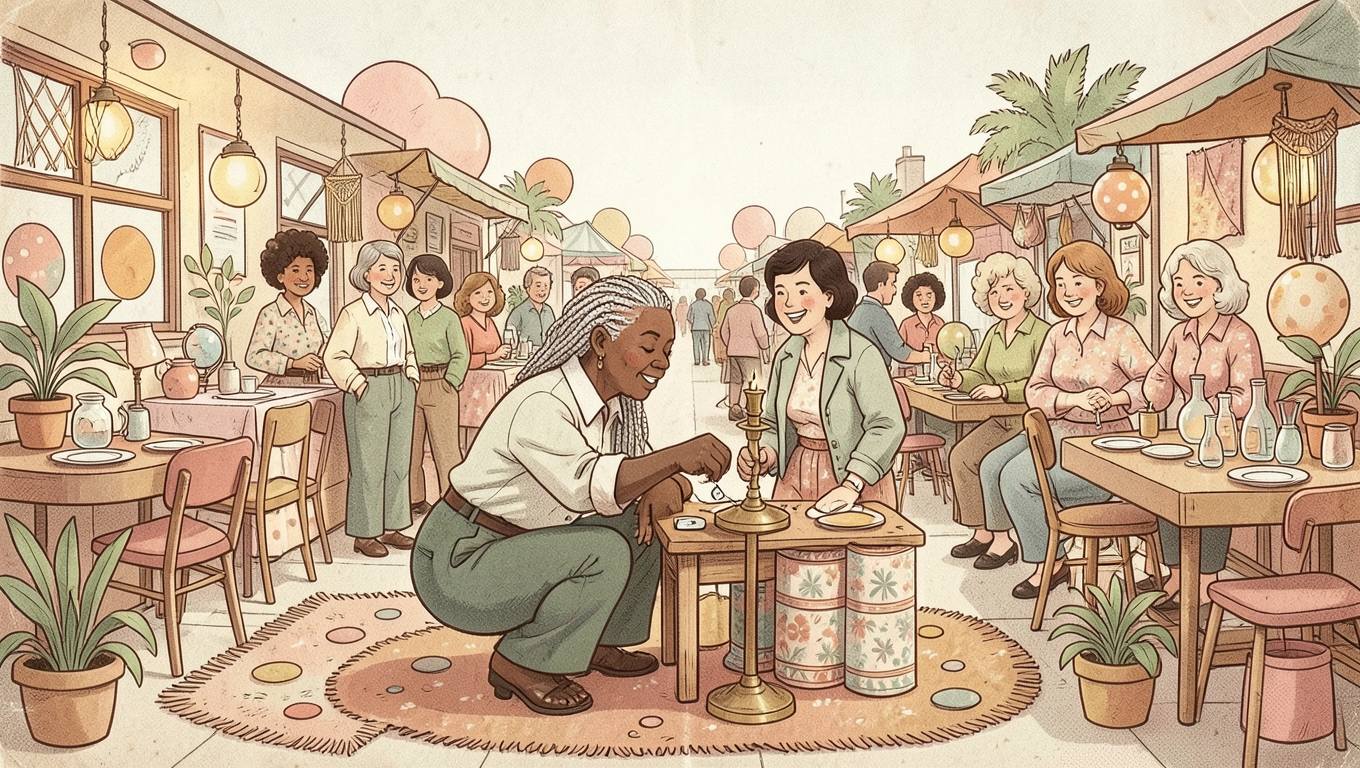
There’s something almost magical about wandering through a flea market on a Saturday morning, surrounded by tables piled with treasures from decades past. Unlike scrolling through online listings, you can pick up a piece, feel its weight, and imagine the hands that used it before. Whether you’re hunting for mid-century furniture, vintage jewelry, or quirky kitchen gadgets, flea markets offer a tangible connection to history that no website can replicate. The thrill isn’t just about finding something beautiful or valuable – it’s about the stories these objects carry and the satisfaction of discovering them yourself.
For newcomers, the sheer variety can feel overwhelming. Where do you start? How do you spot quality from junk? And how do you avoid overpaying for something that only looks old? With a little knowledge and the right approach, you can transform an afternoon browse into a genuine treasure hunt that yields pieces you’ll cherish for years.
Understanding the History and Appeal of Flea Markets
The term “flea market” comes from the French phrase “marché aux puces,” literally meaning “market of fleas.” The name likely originated from the second-hand clothing commonly sold at these markets, which people assumed might harbor fleas. While that origin story might not sound glamorous, these markets have roots stretching back to medieval European cities, where open-air trading of used goods was woven into daily life.
Paris played a particularly important role in shaping what we recognize as modern flea markets today. The Marché aux Puces de Saint-Ouen, founded in the late 1800s, grew into one of the world’s largest antique markets and set the template for similar venues across Europe and eventually America. The first official American flea market is often credited to antique dealer Russell Carrell, who organized one in Salisbury, Connecticut, in 1958, bringing the European tradition across the Atlantic.
What makes these markets endure in our digital age? They offer something online shopping simply cannot – the sensory experience of discovery. You can’t assess the true color of vintage glassware through a screen, or feel the satisfying heft of solid brass candlesticks. Each visit presents a constantly changing inventory, meaning you might find something extraordinary that wasn’t there the week before. For collectors and decorators alike, vintage and antique items carry an appeal that goes beyond aesthetics – they’re often handcrafted with techniques no longer common, and each piece carries its own unique history.
Timing and Strategy for the Best Finds
If you’re serious about scoring the best vintage pieces, timing matters more than you might think. Experienced collectors, interior designers, and shop owners know that arriving early gives you first access to the best selection, with many desirable items claimed before mid-morning. The most dedicated hunters arrive before official opening time, sometimes even helping vendors unload their trucks in exchange for first dibs.
That said, late-day shopping has its own advantages. Vendors who don’t want to pack unsold items back into their trucks become more willing to negotiate as closing time approaches. You might miss the rarest pieces, but you could land excellent deals on quality items that simply didn’t find a buyer yet. Your strategy depends on what you’re hunting – if you’re after a specific rare collectible, get there early; if you’re browsing for general vintage decor, a late afternoon visit might work in your favor.
Come prepared with cash. While some vendors now accept digital payments, many still operate on a cash-only basis, and sellers often offer better prices when you pay with bills rather than cards. Some flea markets charge entrance or parking fees, typically ranging from a couple dollars to around five dollars, so bring small bills for those gates too. A reusable shopping bag or small wagon can save your arms if you plan to buy multiple items, though don’t bring so much that you feel obligated to fill it.
Evaluating Quality and Authenticity
Not everything old is valuable, and not everything that looks vintage actually is. Learning to assess quality in the field separates successful vintage hunters from those who end up with pretty junk. One of the most useful evaluation tips comes from experienced dealers: prioritize shape over color. Paint and upholstery can be changed relatively easily and inexpensively, but a piece with poor proportions or awkward lines will never look quite right, no matter how you refinish it.
Physical examination tells you what photos never could. Pick up items and feel their weight – solid wood furniture and quality metalwork have a heft that particleboard and hollow reproductions lack. For furniture pieces, check inside drawers and underneath seats for maker’s marks or manufacturer labels. These markings not only help verify authenticity but can also significantly increase value if you’re dealing with a known quality manufacturer.
Here’s a clever trick for evaluating metal items: bring a small magnet. Non-ferrous metals like brass, copper, and bronze won’t attract a magnet. If your magnet sticks to what’s being sold as a solid brass lamp or bronze statue, you’re looking at plated metal instead. That doesn’t necessarily mean it’s worthless – plated pieces can still be beautiful and functional – but it should absolutely affect the price you’re willing to pay.
Look for signs of genuine age and wear. Real vintage pieces show use in logical places – the arms of chairs, the edges of tables, the base of lamps. Artificial distressing added to make new items look old often appears in random spots that wouldn’t naturally wear. Drawer interiors should show some aging, and joints in furniture should have the kind of construction techniques used in the period the piece supposedly comes from. When in doubt, don’t hesitate to ask the vendor about an item’s history – knowledgeable sellers appreciate informed questions.
Notable Markets and Remarkable Finds
Some flea markets have become destinations in their own right, drawing visitors from around the world. The Rose Bowl Flea Market in Pasadena, California, has been operating for over 50 years, attracting thousands of shoppers monthly to browse its unique vendors. On the East Coast, the Brimfield Antique Show in Massachusetts stands out as one of the largest and oldest outdoor antique shows in the country, drawing over a million visitors annually across its multiple seasonal events.
The potential for extraordinary discoveries isn’t just folklore – it happens more often than you’d think. Perhaps the most famous flea market find in recent memory was an antique Fabergé egg, purchased by a scrap dealer who had no idea what he’d found. That egg was later valued at $33 million. While finds of that magnitude are exceptionally rare, smaller treasures turn up regularly. People have discovered valuable paintings at garage-sale prices, rare pottery worth thousands, and vintage designer jewelry selling for a fraction of its true value.
The stories matter as much as the values. You might find a piece of Depression-era glassware that your grandmother collected, or a vintage tool identical to one your grandfather used in his workshop. These personal connections transform objects into something more meaningful than their dollar value could ever reflect. That emotional resonance is part of what keeps collectors returning weekend after weekend, even when they come home empty-handed.
Ques and Ais
What should I bring to a flea market?
Bring cash in various denominations, since many vendors don’t accept cards and appreciate exact change. A small magnet helps test metals, and a measuring tape is essential if you’re shopping for furniture. Wear comfortable shoes and dress in layers, as you’ll be walking and weather can change.
How do I know if a vintage item is worth the asking price?
Research similar items online before you go, checking sold listings rather than asking prices. Examine the piece carefully for condition issues, and don’t be afraid to negotiate – most vendors expect it. Compare prices among multiple vendors at the same market to gauge fair value.
Is it rude to negotiate at flea markets?
Negotiating is expected and even appreciated at most flea markets – it’s part of the culture. Be respectful and reasonable in your offers, avoid lowballing, and accept a “no” gracefully. Building friendly rapport with vendors can lead to better deals than aggressive haggling.
What are the best vintage items for beginners to collect?
Start with categories that interest you personally rather than chasing investment value – vintage kitchenware, costume jewelry, or small decorative items work well. These categories are affordable, widely available, and teach you about condition, pricing, and quality without requiring major financial commitment or storage space.
How can I tell if furniture is solid wood or veneer?
Look at edges and unfinished areas like drawer bottoms – solid wood shows consistent grain throughout, while veneer reveals a thin decorative layer over different material. Check weight too, as solid wood pieces are considerably heavier. Slight imperfections and grain variations actually indicate authentic solid wood construction.
So, What We Learned?
Finding vintage treasures at flea markets combines knowledge, patience, and a bit of luck. The best hunters arrive prepared – with cash, a clear sense of what they’re seeking, and the ability to assess quality on the spot. They know that shape matters more than surface appearance, that timing affects both selection and prices, and that genuine vintage pieces reveal their age through logical wear and period-appropriate construction.
Beyond the practical strategies, though, flea market hunting offers something our increasingly digital world struggles to provide – the tactile pleasure of discovery and the human connection that comes from face-to-face transactions. Whether you’re furnishing your first apartment or adding to a decades-long collection, each visit presents new possibilities. You’re not just buying objects; you’re preserving pieces of history and giving them new life in your own home. The next time you spot a promising vendor table, take a moment to really look. That overlooked item in the corner might be exactly what you’ve been searching for, or it might become the start of a collection you didn’t know you wanted to build.