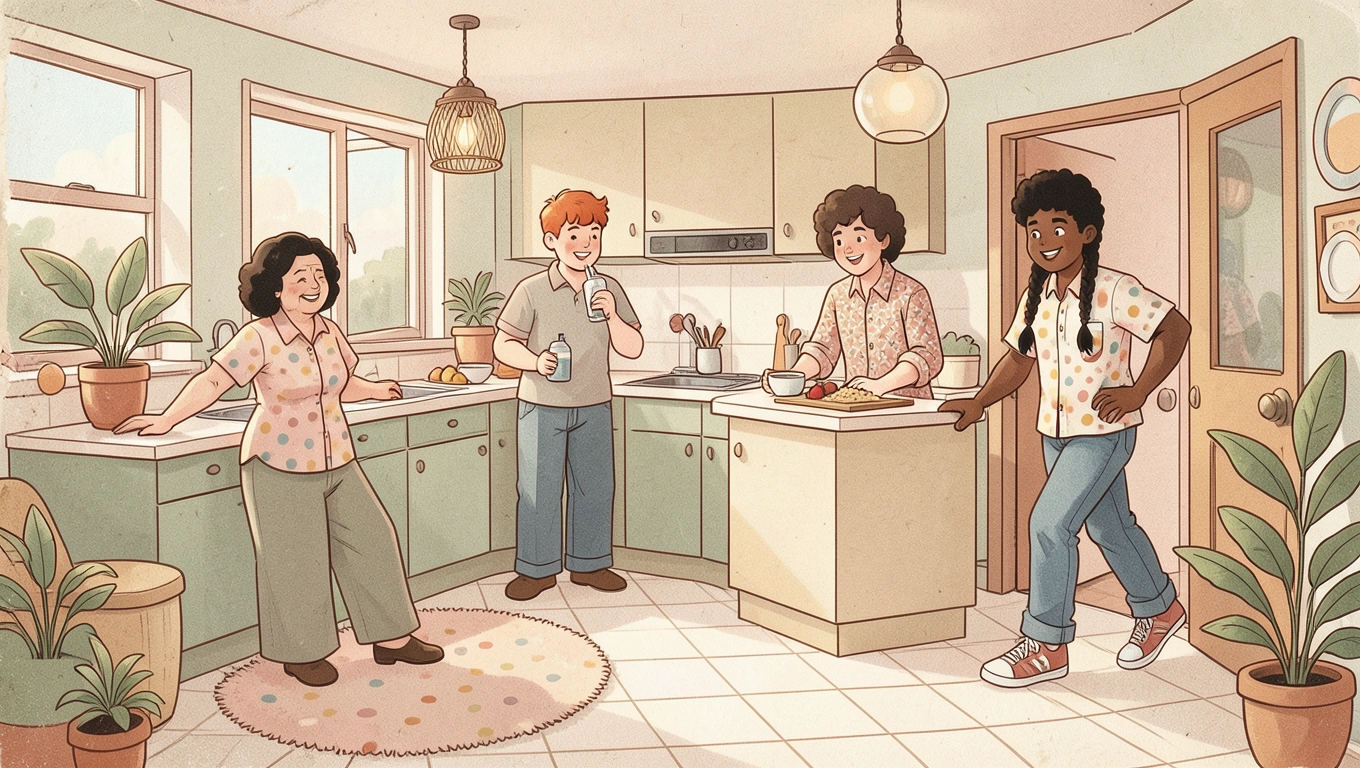
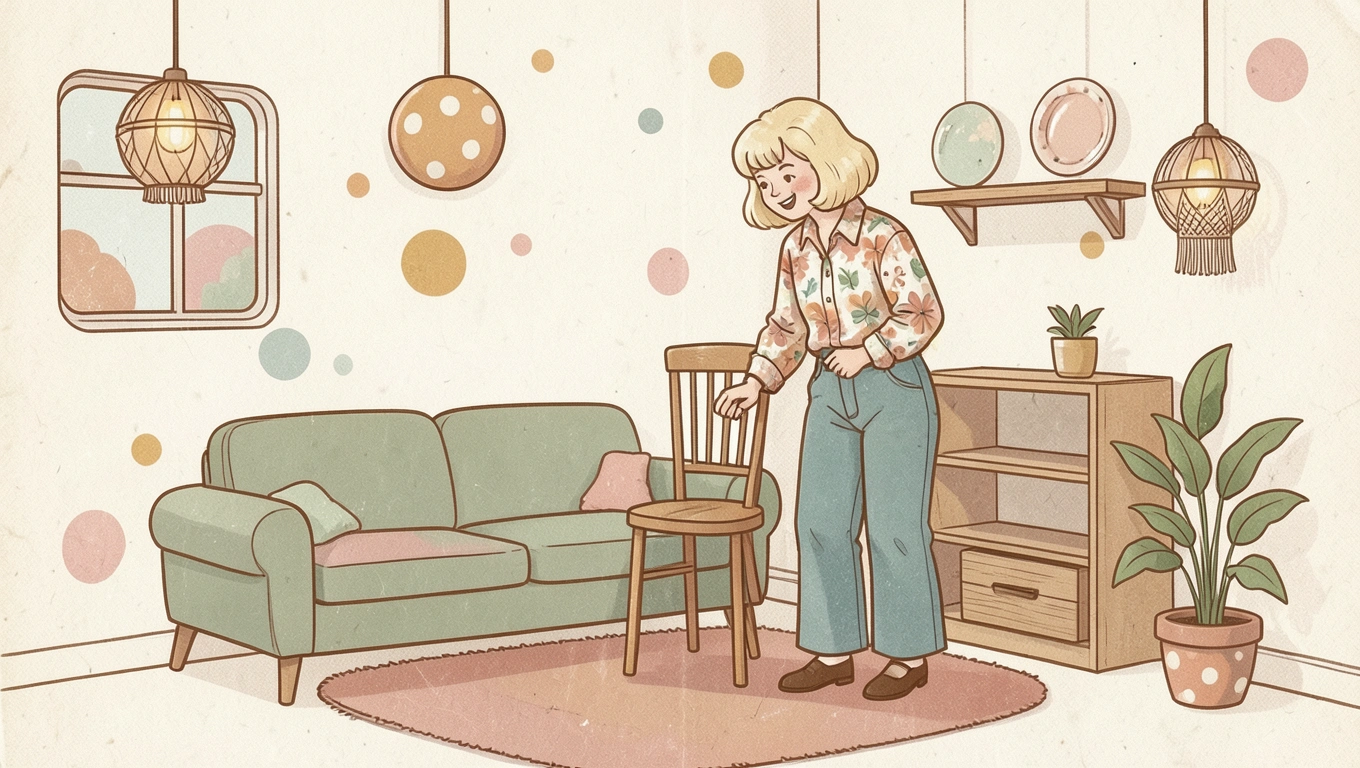
The way we shop for our homes has shifted dramatically over the past few years. Instead of filling every corner with decorative objects and the latest trends, more people are pausing before they buy, asking whether each item truly adds value to their daily lives. This quieter, more intentional approach reflects the growing influence of minimalism – not just as a design aesthetic, but as a mindset that’s reshaping consumer behavior from the ground up. The global minimalist furniture market reached USD 52.6 billion in 2024 and is projected to grow to USD 81.1 billion by 2030, a clear signal that this isn’t a passing fad. As we rethink what we bring into our spaces, we’re discovering that less can genuinely mean more.
The Shift to Quality Over Quantity
Minimalism has introduced a fundamental change in how we evaluate home purchases. Rather than chasing bargains or impulse-buying decorative pieces, shoppers are now prioritizing durability, craftsmanship, and timeless design. The “buy less, buy better” philosophy means spending more upfront on items built to last, rather than cycling through cheaper versions that need replacing every few years.
This shift shows up in everyday decisions. You might pass on a trendy lamp from a fast-furniture retailer and save instead for a well-made piece that won’t end up in a landfill within a season or two. You research materials, read reviews carefully, and ask questions about construction before committing. The focus isn’t on filling a room quickly – it’s on curating a space slowly with items that earn their place through function and longevity.
What makes this approach different is the patience it requires. In a culture that’s accustomed to instant gratification and same-day delivery, choosing to wait and save for the right piece represents a real departure. But the payoff is tangible. Homes furnished this way often feel more cohesive and calming, free from the visual noise of mismatched impulse purchases. And financially, investing in quality can actually save money over time, even if the initial price tag feels steep.
Intentional Shopping and the Pause Before Buying
One of minimalism’s most practical contributions is the habit of pausing before making a purchase. Instead of adding items to the cart on a whim, many shoppers now ask a series of questions: Do I actually need this? Where will it go? Does it serve a clear purpose, or am I buying it because it’s on sale or looks good in a photo?

Intentional living is reshaping consumer habits across all categories, but it’s especially visible in home shopping. This deliberate approach helps prevent clutter from accumulating in the first place. You’re less likely to end up with a closet full of unused vases or a drawer stuffed with kitchen gadgets that seemed clever at the time but never made it into regular rotation.
The practice also changes your relationship with retail marketing. When you’re shopping intentionally, flashy promotions and limited-time offers lose some of their power. You become more immune to the pressure to buy now, because you’ve built in time to reflect on whether the purchase aligns with your actual needs and values. This doesn’t mean never treating yourself or enjoying the process of finding something beautiful – it just means doing so with awareness rather than on autopilot.
For many people, this pause has become a form of self-care. It reduces decision fatigue, clears physical and mental space, and makes home shopping feel less stressful. Instead of wondering if you should have bought something different, you feel confident in the choices you’ve made because you’ve given them real thought.
Sustainability Through Fewer, Better Choices
The environmental case for minimalism is straightforward: buying less means less waste. The home goods industry generates significant amounts of waste through overproduction, packaging, and the disposal of short-lived products. By choosing fewer items and keeping them longer, minimalist shoppers reduce their contribution to this cycle.
Research exploring minimalism shows that it often grows from a desire to live more sustainably and reduce consumption. This means favoring natural, long-lasting materials like solid wood, natural fibers, and metal over particleboard and synthetic textiles that break down quickly. It also means considering the full lifecycle of a product: how it’s made, how long it will last, and what happens to it when you’re done with it.
This sustainability focus extends to secondhand shopping, which has become increasingly popular among minimalists. Vintage and used furniture often offers better quality than new budget options, and buying secondhand keeps perfectly usable items out of landfills. Thrift stores, estate sales, and online resale platforms have become go-to sources for people furnishing homes with intention.
The trade-off is that this approach requires more effort than walking into a big-box store and buying everything in one trip. You might spend weeks or months finding the right dining table, or you might need to refinish a piece to fit your space. But for many, the process becomes part of the pleasure – knowing the story behind each item and feeling good about the environmental impact of your choices.
Why Younger Homeowners Are Leading the Change
Minimalist home shopping has found its strongest foothold among younger homeowners, particularly millennials and Gen Z. Several factors drive this trend. Many in these generations are living in smaller spaces – urban apartments, starter homes, or co-living arrangements – where there simply isn’t room for excess. Consumer preferences are shifting toward simplicity in design, reflecting broader lifestyle priorities.
There’s also a generational shift in values. Younger homeowners often prioritize experiences over material possessions, preferring to spend discretionary income on travel, hobbies, or social activities rather than accumulating more stuff. A minimalist home aligns with this mindset – it’s easier to maintain, costs less to furnish initially (when done thoughtfully), and doesn’t tie up money in depreciating goods.
Financial constraints play a role too. With student debt, higher housing costs, and economic uncertainty, many younger people are being more strategic about where their money goes. Minimalism offers a framework that feels both aspirational and practical – a way to create a beautiful, functional home without overspending or overconsuming.
Social media has influenced this trend as well, though in an interesting way. While platforms like Instagram once fueled maximalist “more is more” interiors, they’ve also spread minimalist aesthetics widely, making the style accessible and desirable. Seeing real people living in thoughtfully curated, uncluttered spaces can be more inspiring than aspirational spreads full of expensive objects most people can’t afford.
Ques and Ais
How does minimalism affect furniture shopping?
Minimalism encourages shoppers to focus on quality, durability, and timeless design rather than trends or quantity. People take longer to make purchases, research materials carefully, and prioritize pieces that will last years rather than seasons.
Is minimalist home decor more expensive?
Individual pieces often cost more upfront because of better quality and craftsmanship. However, buying fewer items overall can make minimalism more affordable in the long run, and many minimalists shop secondhand to balance cost and quality.
Can you practice minimalism in a small apartment?
Small spaces are actually ideal for minimalism. The approach helps you maximize functionality without overcrowding, making small apartments feel more open and livable. Every item needs to earn its place, which naturally suits compact living.
Does minimalism mean getting rid of everything you own?
Not at all. Minimalism is about keeping what adds value to your life and letting go of what doesn’t. It’s personal and flexible – some minimalists own very little, while others simply avoid clutter and unnecessary purchases.
How do I start shopping more minimally for my home?
Begin by pausing before each purchase and asking if the item serves a clear purpose. Focus on quality over quantity, consider secondhand options, and allow yourself time to find pieces you truly love rather than buying quickly to fill space.
So, What We Learned?
Minimalism has quietly changed home shopping from a habit of accumulation into a practice of curation. The shift toward buying less but buying better reflects deeper questions about how we want to live – what we value, how we spend our time and money, and what kind of environmental footprint we leave. While the minimalist furniture market continues to grow, the real transformation isn’t just about sales figures. It’s about individuals pausing, asking better questions, and building homes that feel genuinely comfortable rather than cluttered.
The beauty of this approach is its flexibility. You don’t need to adopt a strict aesthetic or count your possessions to benefit from more intentional shopping. Even small changes – waiting a day before buying, prioritizing one good piece over several cheap ones, or simply noticing when you’re shopping out of boredom rather than need – can make your home feel more like yours. As we continue navigating a world that constantly encourages us to buy more, the minimalist mindset offers something valuable: permission to choose less, and the space to enjoy what we already have.
This article is for general information only and is not medical advice; talk to a qualified healthcare professional about your own situation.