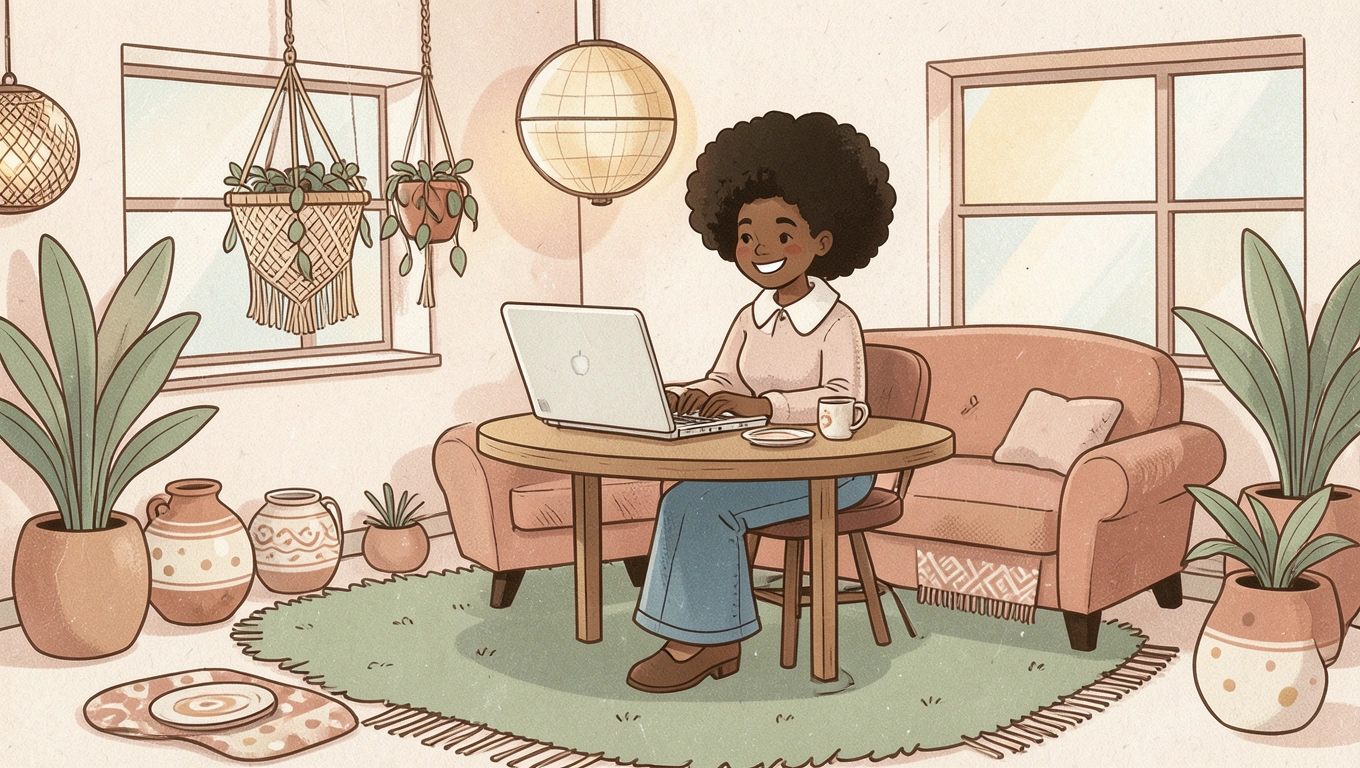
The traditional career path – clock in, work your shift, collect your paycheck – is no longer the only way people think about earning money. Across kitchen tables and coffee shops, more people are opening laptops after dinner to run small businesses that exist entirely online. These aren’t necessarily replacements for day jobs, but carefully constructed side ventures that bring in extra income, creative satisfaction, or both. What started as a trickle has become a genuine shift in how people approach financial security and personal fulfillment. The barriers that once made starting a business feel out of reach have quietly crumbled, and the internet has made it possible to sell products, offer services, or build audiences without ever signing a commercial lease or stocking a physical shelf.
Lower Barriers Make Starting Easier Than Ever
The cost difference between launching an online business and opening a physical storefront is staggering. Where a brick-and-mortar shop might require thousands in deposits, inventory, fixtures, and permits before you serve a single customer, an online side business can start with a laptop and an internet connection. You don’t need to rent retail space, pay utilities, or hire staff right away. Many platforms let you list products or services for free or minimal monthly fees, and you only invest in inventory or materials once you’ve made actual sales.
This low-risk entry point changes who can participate. You don’t need a business loan or family money to test an idea. A graphic designer can offer freelance work through a portfolio website. Someone who makes candles can sell them through an online marketplace without renting booth space at craft fairs. A consultant can schedule video calls with clients across the country without maintaining an office. The financial risk shrinks to almost nothing, which means the decision to try becomes less about gambling your savings and more about investing your time.
The practical reality is that most people starting these ventures keep their regular jobs. Research on side hustles shows that many individuals run their online businesses around existing work schedules, treating them as supplemental income rather than full-time careers. This dual approach provides financial cushioning while building something that could potentially grow into more.
Flexibility Fits Into Real Life
One of the most appealing aspects of running an online side business is the ability to work on your own schedule from wherever you happen to be. If you have young children, you can fulfill orders during naptime. If you work irregular shifts, you can answer customer emails during your off hours. If you travel frequently, you can manage operations from hotel rooms or airport lounges. The business adapts to your life rather than demanding you reshape your entire existence around it.

This flexibility extends beyond just timing. You control the pace of growth. If life gets hectic, you can scale back temporarily without closing shop entirely. If you have extra energy and ambition during a particular season, you can push harder and take on more projects. Unlike traditional employment where you’re expected to maintain consistent availability regardless of personal circumstances, an online side business bends with your reality.
The autonomy also means you make the decisions. You choose what products to offer, which clients to work with, how to communicate with customers, and what values your business reflects. This level of control appeals especially to people who feel constrained in conventional jobs where policies and procedures leave little room for personal judgment. Running even a small online business restores a sense of agency that many find missing elsewhere in their professional lives.
Global Reach Without Geographic Limits
A physical store serves customers who can physically reach it. An online business serves anyone with internet access. This fundamental difference transforms the potential market from a local neighborhood to essentially the entire world. You can sell handmade jewelry to someone three states away, offer virtual coaching to clients in different time zones, or teach online courses to students on other continents.
The always-on nature of online business means you can make sales while you sleep. Someone browsing at midnight can complete a purchase, and you’ll fulfill it the next day. Your business doesn’t close at 5 pm or stay dark on Sundays unless you choose those constraints. This 24/7 availability multiplies opportunities without requiring you to work around the clock yourself.
The global marketplace also means you can find very specific niches. Even if only a small percentage of people want exactly what you’re offering, that small percentage of a global audience might be enough to sustain a profitable side business. You’re not limited to convincing locals to buy something they’re only mildly interested in. Instead, you can find the people anywhere who genuinely want what you’re selling.
Rising Costs and Economic Uncertainty Drive Action
Financial pressures make multiple income streams feel less like ambition and more like necessity for many households. As living costs climb for housing, healthcare, and everyday expenses, a single paycheck often doesn’t stretch as far as it used to. Economic trends indicate that more Americans are turning to entrepreneurship partly as a response to financial instability and the need for supplemental income.
This isn’t just about covering luxuries or discretionary spending. For some people, an online side business helps pay for childcare, build emergency savings, or handle unexpected medical bills. It creates a financial buffer that provides genuine peace of mind. Even a few hundred extra dollars monthly can transform a household’s ability to handle surprises without going into debt.
The economic uncertainty of recent years has also made clear that job security isn’t guaranteed. People who once assumed their employment was stable have watched industries shift and companies restructure. An online side business becomes a form of career insurance. If your main job disappears, you already have another revenue stream and business skills you’ve been developing. You’re not starting from zero.
Creative Fulfillment and Passion Pursuits
Not every motivation is financial. Many people start online side businesses because they want to create something that reflects their interests and values. Maybe you’re passionate about sustainable living and want to sell eco-friendly products. Perhaps you have expertise in vintage guitars and want to help collectors find rare instruments. Or you might simply enjoy writing and want to monetize a newsletter about local history.
These ventures offer a creative outlet that conventional employment often doesn’t provide. Your day job might be necessary and even satisfying in some ways, but it probably doesn’t let you fully express your interests or experiment with ideas that fascinate you. An online side business becomes the space where you get to make those choices and see if your vision resonates with others.
The feedback loop can be incredibly satisfying. When someone pays for something you created or thanks you for solving their problem, it validates your effort in a direct way that quarterly performance reviews never quite match. You’re not just completing assigned tasks – you’re offering something you believe in to people who genuinely want it. That sense of purpose and connection keeps many side business owners motivated even when the work gets challenging.
This article is for general information only and is not medical advice; talk to a qualified healthcare professional about your own situation.
Ques and Ais
How much money do you need to start an online side business?
Many online side businesses start with minimal investment, sometimes under a hundred dollars for basic tools like a website domain and hosting. The exact amount depends on what you’re selling, but the key advantage is you can often test ideas cheaply before committing significant funds. Digital products and services typically require even less upfront capital than physical goods.
Can you really make meaningful income from a side business?
Income varies widely based on the business model, time invested, and market demand. Some people earn enough to cover a car payment or groceries, while others build substantial secondary income streams. The potential is real, but expectations should stay realistic, especially in the early months when you’re still finding your footing.
How do you find time to run a side business with a full-time job?
Most successful side business owners carve out specific hours each week, often early mornings, evenings, or weekends. The key is treating those hours seriously and choosing a business model that fits your available time. Some ventures require daily attention, while others can run more passively once systems are established.
What types of online businesses work best as side ventures?
Service-based businesses like freelance writing, consulting, or virtual assistance work well because they scale with your available hours. E-commerce through print-on-demand or dropshipping minimizes inventory management. Digital products like courses or templates can generate income repeatedly after initial creation. The best choice depends on your skills and interests.
Do you need special technical skills to run an online business?
Basic computer literacy and willingness to learn are more important than advanced technical skills. Many platforms are designed for non-technical users, and countless free resources teach what you need to know. You can start simple and gradually learn more sophisticated tools as your business grows and your needs evolve.
So, What We Learned?
The rise of online side businesses reflects something deeper than just entrepreneurial ambition or financial need. It represents people reclaiming some control over their economic lives and finding ways to express interests that don’t fit into conventional employment boxes. The internet hasn’t just made starting a business cheaper and easier – it has fundamentally changed who gets to participate in business ownership and what success can look like.
What matters most isn’t whether your side business becomes a full-time career or stays small forever. It’s that you have options and skills that exist independently of any single employer. You’re building something that’s genuinely yours, learning how commerce actually works, and discovering whether your ideas have value in the marketplace. Even if a particular venture doesn’t work out, the experience and confidence you gain transfer to whatever comes next. The barrier between “regular person” and “business owner” has never been thinner, and more people are discovering that crossing it is less daunting than they imagined.