

Running a small business means wearing a dozen different hats, and bookkeeping often feels like the one that fits the least comfortably. But keeping your financial records simple and accurate isn’t just about satisfying tax requirements – it’s about understanding where your money comes from, where it goes, and whether your business is truly healthy. The good news is that you don’t need an accounting degree to get this right. What you need is a clear system, a few good habits, and the discipline to stick with them. When you simplify your approach to the books, you free up mental space for what you do best: running your business.
Separate Your Money From Day One
One of the most common and damaging mistakes small business owners make is mixing personal and business finances. It seems harmless at first – you grab coffee on the way to a meeting and use your personal card, or you transfer some business income into your household account to cover bills. But this commingling of funds creates a tangled mess that makes it nearly impossible to see your true profitability.
When personal and business transactions share the same account, you lose clarity. How much did your business actually earn last month? What were your real operating expenses? These questions become difficult to answer when grocery runs and office supplies appear on the same statement. More seriously, mixing funds can create significant problems during tax investigations or audits, where you’ll need to justify every transaction and prove what was business-related.
Opening a dedicated business bank account is one of the simplest and most important steps you can take. It doesn’t have to be expensive or complicated – many banks offer basic business checking accounts with reasonable fees. Once you have that separate account, make a rule: business income goes in, business expenses come out, and personal money stays completely separate. When you need to pay yourself, do it with a proper transfer or paycheck, creating a clear paper trail that shows you’re treating your business like the real entity it is.
Reconcile Regularly, Catch Problems Early
Reconciling your bank statements with your business records might sound tedious, but it’s one of those unglamorous tasks that saves you from much bigger headaches down the road. Reconciliation means comparing what your bank says happened with what your books say happened, and making sure they match. It’s how you catch duplicate charges, missed payments, bank errors, or even fraud before they snowball into serious problems.
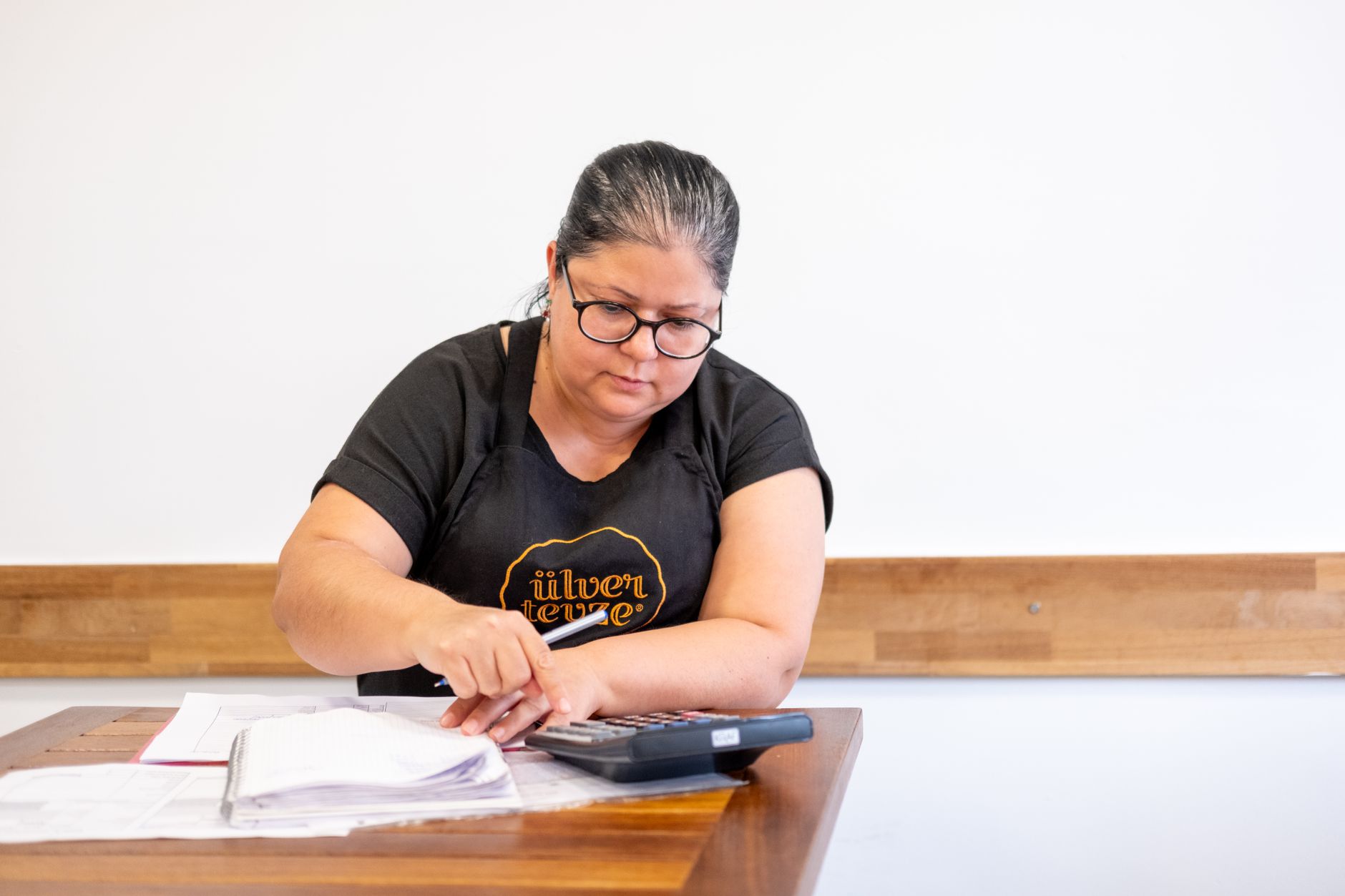
When you skip reconciliation for weeks or months, small discrepancies pile up. Maybe you recorded a payment that never actually cleared. Maybe your bank charged you twice for a subscription you forgot about. Maybe someone made an unauthorized charge on your business card. Without regular reconciliation, these issues distort your financial statements and lead to poor decision-making. You might think you have more cash than you actually do, or miss warning signs that your business is spending beyond its means.
The key is making reconciliation a habit, not a dreaded once-a-year event. Many business owners set aside time each week or month to review their bank and credit card statements line by line, checking them against their bookkeeping records. Cloud-based accounting software can make this process much faster by automatically importing transactions and flagging potential mismatches. The peace of mind that comes from knowing your numbers are accurate is worth every minute you invest in this routine check.
Track Cash Flow, Not Just Profit
Your business can show a profit on paper and still run out of cash – and that’s a reality that catches many small business owners off guard. Profit measures whether your revenue exceeds your expenses over time, but cash flow measures whether you have actual money available when you need it. The timing difference matters enormously when you’re trying to meet payroll, pay vendors, or cover tax obligations.
Imagine you land a big contract that will bring in substantial revenue, but your client pays on 60-day terms. You still have to pay your employees, your rent, and your suppliers right now. Without proper cash flow tracking, you might find yourself scrambling to cover immediate expenses even though your business is technically profitable. This is why regularly reviewing cash flow statements and forecasting future expenses is vital for maintaining healthy liquidity.
One practical step that can significantly improve your cash flow consistency is automating your invoices. Modern accounting software can generate invoices automatically, schedule follow-up reminder emails, and mark invoices as paid once money arrives. This reduces the risk of forgetting to bill a client or waiting too long to send payment reminders. The faster you invoice and the more consistently you follow up, the more predictable your incoming cash becomes – and predictability is what allows you to plan ahead with confidence.
Choose Tools That Match Your Reality
The right bookkeeping tools depend entirely on how complex your business is. If you’re a solo consultant with straightforward income and expenses, a well-organized spreadsheet might serve you perfectly well. It’s low-cost, flexible, and gives you direct control over your data. For businesses with more complexity – multiple income streams, inventory, employees, or frequent transactions – dedicated bookkeeping software becomes worth the investment.
Programs like QuickBooks Online, Xero, and FreshBooks can automate many tasks that would otherwise eat up hours of your time. They connect to your bank accounts, categorize transactions, generate financial reports, and handle invoicing with minimal manual input. This automation not only saves time but also reduces human error, which tends to creep in when you’re manually entering hundreds of transactions. For businesses with very simple accounts, the spreadsheet approach works fine, but most growing businesses eventually hit a point where software pays for itself in time saved and mistakes avoided.
If bookkeeping still feels overwhelming even with software, you might consider hiring help. Small businesses can expect to pay somewhere in the range of a few hundred dollars per month for basic bookkeeping services – roughly $300 to $400 monthly for routine transaction recording and reconciliation. Cloud-based solutions that combine software with professional services often offer a more cost-effective alternative than traditional in-person bookkeepers. The key is being honest about what you can realistically handle yourself and what’s worth delegating so you can focus on revenue-generating activities.
One concept worth understanding, even if you don’t implement it yourself, is double-entry bookkeeping. This system tracks both debits and credits for every transaction, creating a more comprehensive and accurate financial picture than single-entry bookkeeping, which works more like a checkbook register. Double-entry bookkeeping makes it easier to catch errors and gives you a fuller view of your business’s financial position. Most accounting software uses double-entry principles behind the scenes, so you get the benefits without needing to understand all the technical details.
Keep Your Records Organized and Accessible
Poor record-keeping – losing receipts, letting invoices pile up in disorganized folders, failing to document cash payments – creates problems that compound over time. Lost receipts mean lost tax deductions. Disorganized invoices make it hard to know who owes you money. And when an audit comes around, incomplete documentation creates serious exposure for your business that could result in penalties and additional taxes.
Digital bookkeeping systems solve many of these problems by allowing you to store and categorize expenses in real time. Take a photo of a receipt with your phone, upload it to your accounting software, tag it with the right category, and it’s permanently stored in a searchable, secure location. No more shoeboxes full of fading paper receipts or frantic searches through email when tax season arrives. Cloud-based tools ensure your records are accessible from anywhere, backed up automatically, and protected from the kind of disasters that can wipe out paper files.
Building good habits around documentation doesn’t require perfection – it just requires consistency. Make it a practice to record transactions promptly rather than letting weeks go by. File digital copies of important documents as you receive them. Take a few minutes at the end of each week to review what came in and went out. These small, regular actions prevent the kind of overwhelming backlog that makes bookkeeping feel like an impossible mountain to climb.
This article is for general information only and is not financial, tax or legal advice; talk to a qualified accountant or tax professional about your own situation.
Frequently Asked Questions
What’s the difference between bookkeeping and accounting?
Bookkeeping is the daily work of recording transactions, categorizing expenses, and reconciling accounts. Accounting takes that data and uses it to create financial statements, file taxes, and provide strategic financial advice. Most small businesses need solid bookkeeping first, then accounting support at tax time or when making major decisions.
How often should I update my business books?
Weekly updates work well for most small businesses, keeping the workload manageable while ensuring records stay current. At minimum, reconcile your accounts monthly so discrepancies don’t pile up. The more frequently you update, the clearer your real-time financial picture becomes and the easier tax preparation will be.
Can I do my own bookkeeping without an accounting background?
Absolutely. Modern software handles much of the technical complexity, and basic bookkeeping follows logical principles anyone can learn. Focus on consistent habits – separating business and personal finances, recording transactions promptly, and reconciling regularly. For complex tax situations or strategic planning, consult a professional accountant.
What records do I legally need to keep for my business?
You’ll need to keep income records, expense receipts, bank statements, payroll records if you have employees, and documentation for any assets or loans. Tax authorities typically require businesses to retain records for several years. Digital copies are generally acceptable, making cloud storage a practical solution for long-term record retention.
Should I use cash basis or accrual accounting?
Cash basis records income when you receive payment and expenses when you pay them – simpler for small businesses with straightforward operations. Accrual basis records transactions when they occur, regardless of payment timing – better for businesses with inventory, credit sales, or complex operations. Many small businesses start with cash basis for its simplicity.
So, What Did We Learn?
Keeping your business books simple isn’t about cutting corners or doing the bare minimum – it’s about creating sustainable systems that give you accurate information without consuming all your time and energy. The fundamentals haven’t changed: separate your business and personal finances completely, reconcile your accounts regularly, track cash flow as carefully as profit, and choose tools that match your actual needs rather than what you think you should be using. Good bookkeeping isn’t glamorous work, but it’s the foundation that lets you make confident decisions about hiring, investing, expanding, or pulling back when necessary.
What strikes me most about financial record-keeping is how it forces honesty. Your books tell the truth about your business in a way that optimism and hard work alone can’t obscure. When you face that truth regularly – weekly, monthly, consistently – you gain the kind of clarity that prevents small problems from becoming catastrophic ones. You notice the client who always pays late before it becomes a cash crisis. You see the subscription you forgot about before it drains thousands over the year. You understand your real margins before you underprice your next project. That clarity, more than any sophisticated technique or expensive software, is what simple, well-maintained books actually give you: the power to run your business with your eyes open.