

Stepping into the world of smart home technology can feel both exciting and overwhelming. There are smart lights, thermostats, speakers, locks, cameras, and dozens of other devices all promising to make your life easier. But before you click that buy button on your first smart home device, it’s worth taking a step back to think through what you actually need and how it will fit into your daily life. The right device can genuinely simplify your routine, while the wrong one might end up collecting dust in a drawer. Making an informed first purchase sets you up for a home that actually works the way you live, rather than adding complexity you don’t need.
Choose Your Platform First
One of the most important decisions you’ll make isn’t about which specific device to buy, but rather which smart home platform you want to build around. The three main options are Amazon Alexa, Google Home, and Apple HomeKit, and each has its own strengths and limitations. This matters because choosing a smart home platform ensures devices can work together rather than operating as isolated gadgets.
Think about what you already own and use regularly. If you’re deep into the Apple world with an iPhone, iPad, and Mac, HomeKit might feel most natural. If you use an Android phone and love Google services, Google Home could be the better fit. Amazon Alexa tends to work with the widest range of third-party devices, making it a flexible choice for many people.
You don’t need to commit forever, but starting with one platform makes your life simpler. You’ll learn one app, one voice assistant, and one way of setting up automations. More importantly, your devices will actually talk to each other. Your smart light can trigger when your smart lock opens. Your thermostat can adjust when your security camera detects you’ve left. These connections are where smart home technology becomes truly useful rather than just a collection of app-controlled gadgets.
Assess Your Wi-Fi Before You Buy
Every smart home device depends on one thing: a solid internet connection. You can have the fanciest smart doorbell or the most feature-packed smart speaker, but if your Wi-Fi is spotty or weak in certain rooms, you’re going to have a frustrating experience. Devices will disconnect at random times, voice commands will fail, and you’ll spend more time troubleshooting than actually enjoying the convenience.
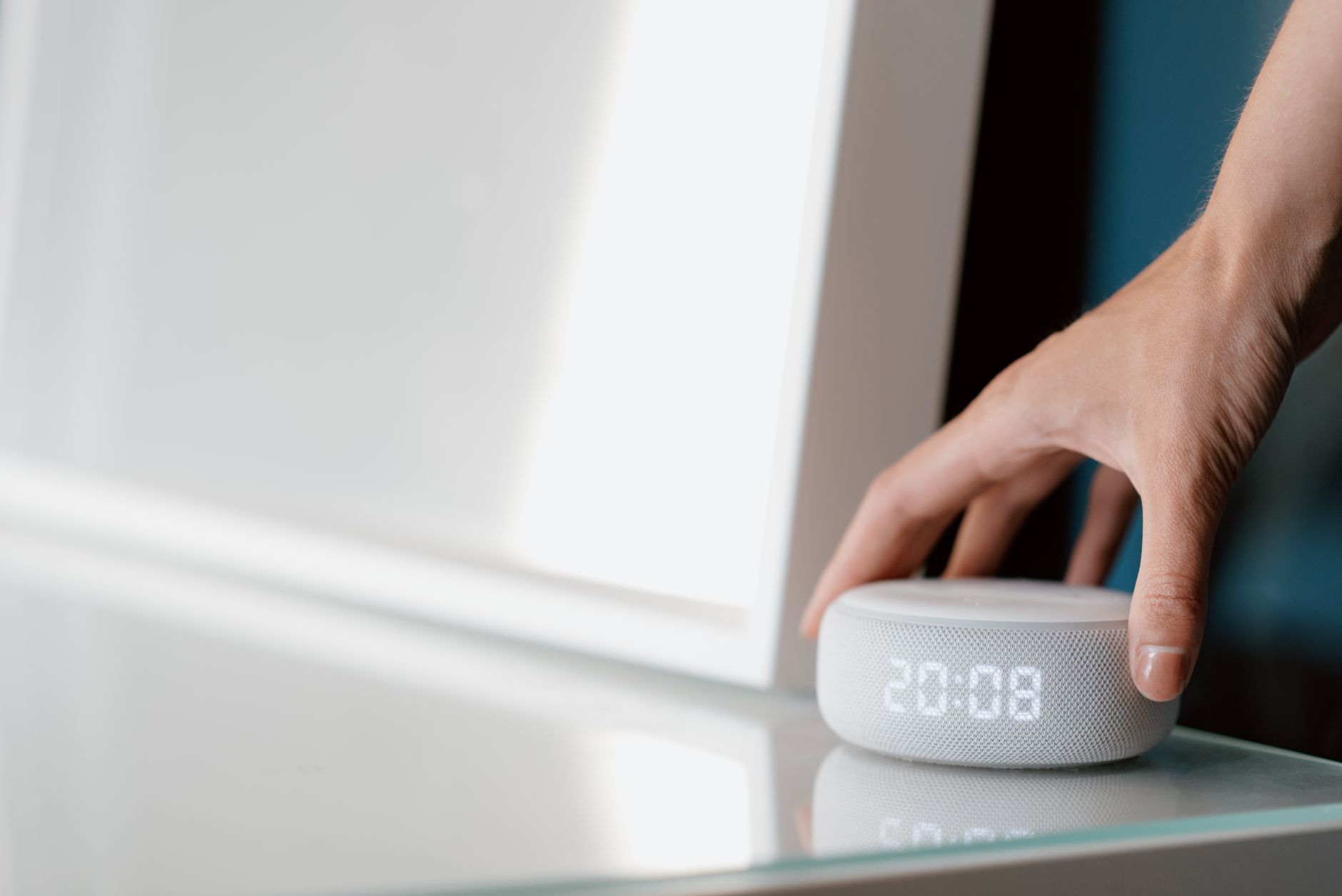
Walk around your home with your phone and check your Wi-Fi signal strength in different rooms. Pay special attention to where you’re planning to install smart devices. If you’re thinking about a smart lock on your front door, does your router signal reach there reliably? If you want smart lights in the bedroom, is the connection strong in that area?
Many people discover their Wi-Fi coverage isn’t as good as they thought once they start adding smart devices. A router that works fine for browsing and streaming might struggle when you add multiple connected devices competing for bandwidth. If you notice weak spots, you might need to upgrade your router or add a mesh Wi-Fi system before investing in smart home devices. It’s not the exciting purchase, but it’s the foundation that makes everything else work properly.
Start Small and Specific
The temptation when entering the smart home world is to buy everything at once. Smart bulbs for every room, a video doorbell, smart plugs, a thermostat, and maybe throw in some sensors for good measure. But this approach often leads to buyer’s remorse and a cluttered setup that’s harder to manage than your old, simple switches.
Instead, identify one specific problem or routine you want to improve. Maybe you constantly forget to turn off the lights when you leave home. A smart plug or smart bulb solves that particular issue. Perhaps you want to know who’s at your door when you’re not home. Start with a video doorbell. By focusing on one clear need, you’ll actually use the device and understand whether this technology fits your lifestyle.
This focused approach also gives you time to learn. Each device comes with its own app, setup process, and quirks. Getting comfortable with one device before adding more means you’re not drowning in new technology all at once. You’ll figure out what features you actually use versus what sounded cool in the product description. Many people find that once they solve one problem with a smart device, they naturally see other areas where automation would help. That organic growth tends to create a more useful smart home than buying everything upfront.
Look for Future Compatibility
Smart home technology moves fast, and nothing is more frustrating than buying a device that becomes obsolete or unsupported within a couple of years. While you can’t predict the future perfectly, you can look for signs that a device is built to last and adapt.
The newest standard to watch for is Matter and Thread support, which helps ensure devices remain compatible across different platforms. Matter is an industry-wide standard that lets devices from different manufacturers work together more easily. If a device supports Matter, it’s more likely to work with whatever platform you choose down the road, even if you switch from Google to Alexa or vice versa.
Also consider the company behind the device. Established brands with a track record of supporting their products through software updates tend to be safer bets than unknown startups that might not be around in two years. Check whether the company regularly updates their devices and how long they’ve supported older models. Read reviews that mention software updates and long-term reliability, not just first impressions.
Security updates matter too. A smart device that stops receiving security patches becomes a potential entry point for hackers on your home network. Companies that clearly communicate their update policies and have a history of supporting devices for several years show they’re thinking about longevity, not just the initial sale.
Privacy and Security Must Be Part of the Decision
Smart home devices are connected to your internet, which means they’re potentially vulnerable to hacking if not properly secured. They also collect data about your habits, your schedule, and your home. Before buying any smart device, understand what information it collects and how the company uses that data.
Read the privacy policy, even if it’s boring. Look for whether the company sells your data to third parties or uses it only to improve their service. Check if the device requires a cloud connection or if it can work locally on your network. Local control is generally more private and secure, though it may mean fewer features.
When you set up your first device, use a strong, unique password. Don’t just stick with the default or use the same password you use everywhere else. Many smart home devices get compromised because people never change the factory password. Enable two-factor authentication whenever it’s available, adding an extra layer of protection.
Keep your devices updated. Most smart home devices push updates automatically, but some require you to manually check and install updates through their app. Make it a habit to check for updates monthly. These updates often patch security vulnerabilities that hackers might exploit.
This article is for general information only and is not medical advice; talk to a qualified healthcare professional about your own situation.
Ques and Ais
Do I need a smart home hub to start?
Not necessarily. Many modern smart devices connect directly to your Wi-Fi and work through their own apps or with voice assistants like Alexa or Google Home. A dedicated hub is only needed if you want to use devices that require specific protocols like Zigbee or Z-Wave.
Are smart home devices expensive to run?
Most smart devices use minimal electricity, often less than traditional alternatives. Smart plugs and bulbs typically add just a few dollars to your annual electricity bill. The initial purchase cost varies widely, but operating costs are generally low.
Can smart home devices work without internet?
Some can, but most need internet for full functionality. Devices with local control may still turn on and off without internet, but you’ll lose remote access, voice control, and automation features that depend on cloud services.
How long do smart home devices typically last?
Hardware often lasts several years, similar to traditional electronics. The bigger concern is software support, which varies by manufacturer. Well-supported devices receive updates for three to five years or more, while others may become obsolete sooner.
Is it hard to set up smart home devices?
Most modern smart devices are designed for simple setup, usually involving downloading an app and following step-by-step instructions. The process typically takes five to fifteen minutes per device, though connecting multiple devices together may require more time.
So, What We Learned?
Your first smart home device should solve a real problem in your life, not just seem like a cool gadget to own. The technology works best when it fades into the background and simply makes your daily routine easier, whether that’s never fumbling for keys at your door or coming home to a well-lit house without touching a switch. Take the time to think about your platform choice, check your Wi-Fi coverage, and prioritize security from day one. These foundational decisions shape whether your smart home journey becomes genuinely useful or just another source of tech frustration. Start with one thoughtful purchase that addresses a specific need, learn how it works, and let your smart home grow naturally from there. The goal isn’t to automate everything, it’s to improve the things that matter most to how you actually live.