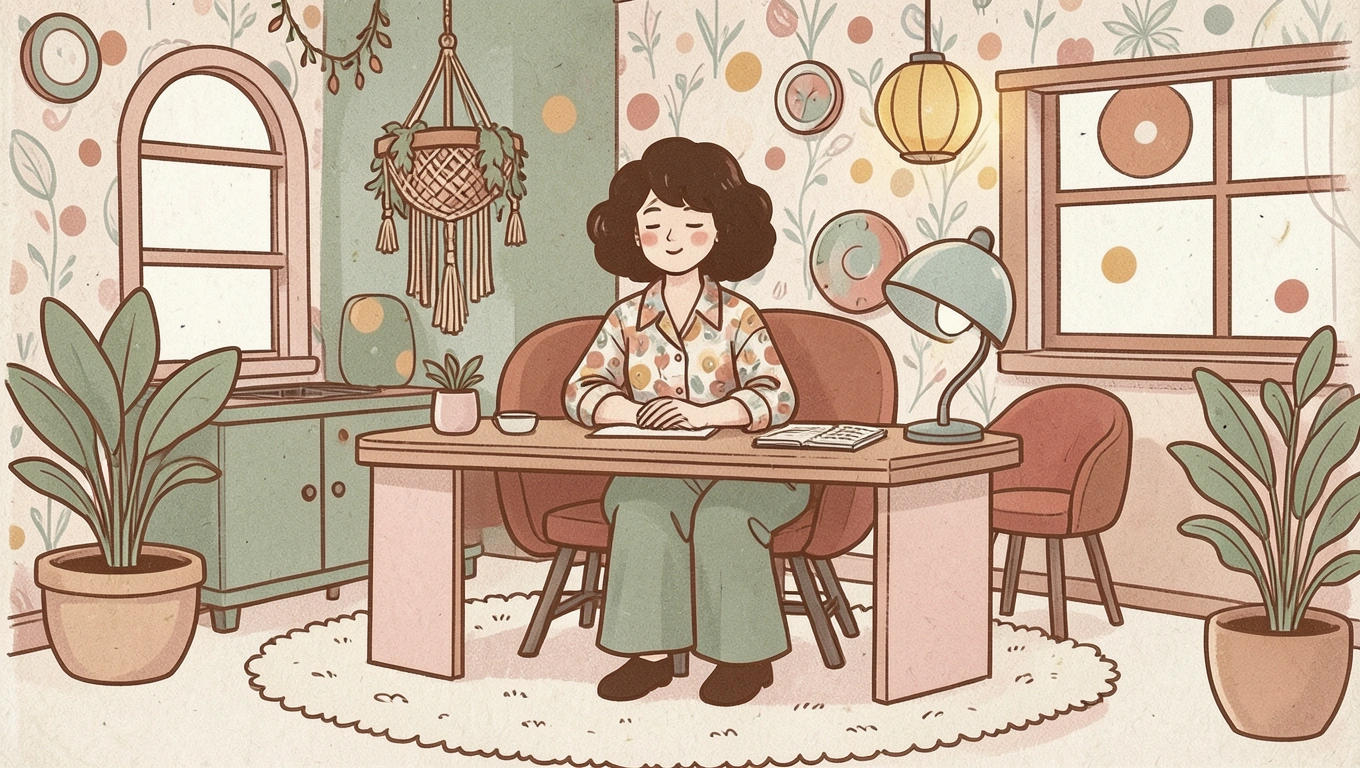
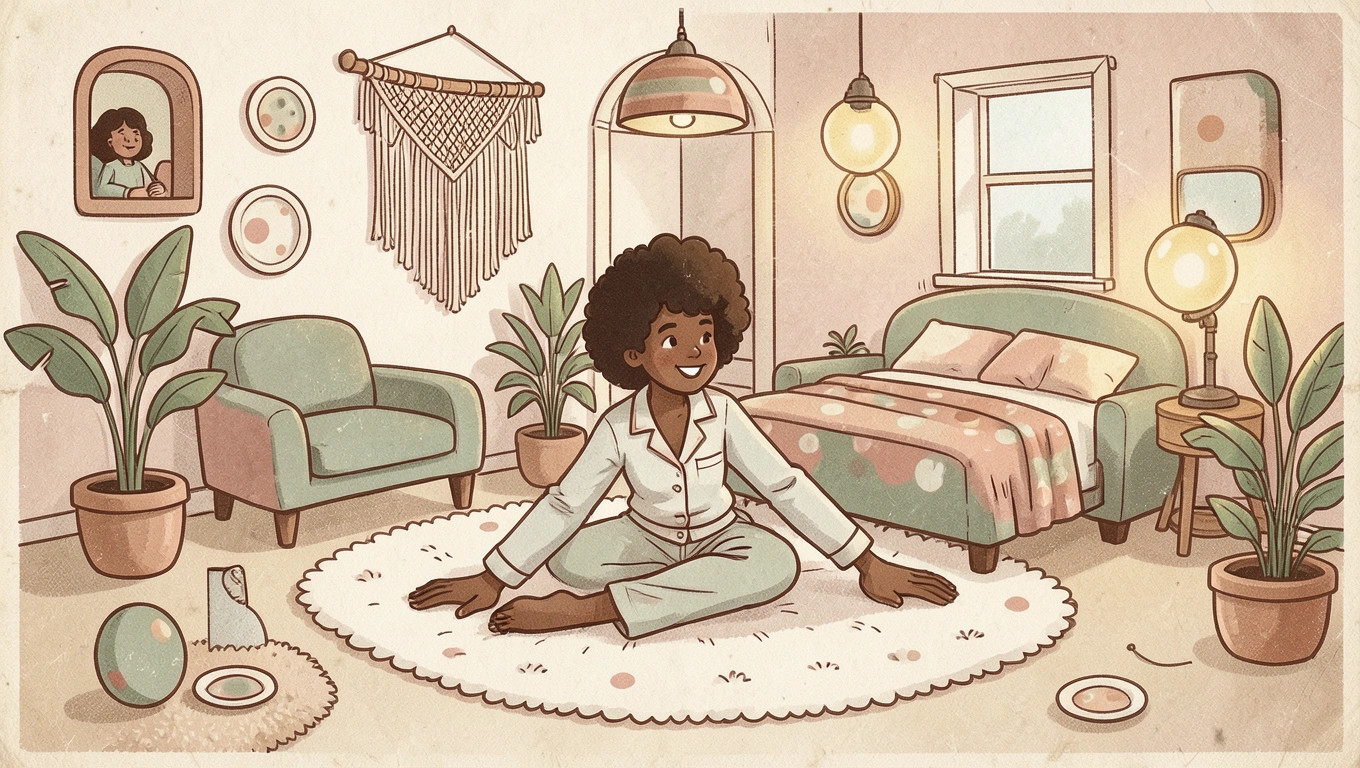
Getting a good night’s sleep doesn’t require expensive gadgets, sleep trackers, or fancy technology. The truth is, many of the most effective ways to improve your sleep quality come down to simple, consistent habits that cost nothing at all. These behaviors work with your body’s natural rhythms rather than against them, creating an environment and routine that make restful sleep almost inevitable. If you’ve been tossing and turning at night or waking up feeling less than refreshed, small changes to your daily routine and evening rituals can make a meaningful difference.
Set a Consistent Sleep Schedule
Your body runs on an internal clock called the circadian rhythm, which thrives on predictability. When you go to bed and wake up at the same time every day, including weekends, you reinforce this natural cycle. It might feel restrictive at first, especially if you’re used to sleeping in on Saturday mornings, but consistency trains your brain to anticipate sleep at the right time.
Think of it like training for anything else. Your body learns the pattern. After a few weeks of sticking to the same schedule, you’ll likely find yourself getting drowsy at your target bedtime without much effort. You might even wake up a few minutes before your alarm goes off, which is a sign your internal clock is well-calibrated.
The challenge, of course, is maintaining this schedule when life throws curveballs. Late dinners, social events, and travel all disrupt the pattern. When that happens, try to get back on track as quickly as possible rather than letting one late night spiral into a week of irregular sleep. Even on days when you sleep poorly, waking up at your usual time helps reset the cycle for the following night.
Create a Wind-Down Routine
Your brain doesn’t have an on-off switch. It needs time to transition from the alertness of daytime activities to the calm state conducive to sleep. A relaxing pre-bed routine signals to your brain that it’s time to wind down, making it easier to fall asleep when you actually get into bed.

This routine doesn’t need to be elaborate. Reading a physical book for twenty minutes works well because it occupies your mind without stimulating it the way a thriller movie or work email might. Gentle stretching or a few minutes of light yoga can release physical tension that accumulates during the day. Taking a warm bath or shower about an hour before bed causes your body temperature to drop afterward, which naturally promotes sleepiness.
The key is consistency and choosing activities that genuinely relax you. If reading makes you anxious about your to-do list, try something else. If stretching feels like a chore, skip it. The routine should feel like a reward, not another obligation. Over time, these activities become a ritual your brain associates with sleep, making the transition smoother and more automatic.
Optimize Your Sleep Environment
The space where you sleep matters more than you might think. Your bedroom should be cool, dark, and quiet. These aren’t just preferences, they’re conditions that align with how your body naturally prepares for sleep. Temperature plays a particularly important role. Most people sleep best in a room that’s slightly cooler than daytime comfort levels, as your core body temperature naturally drops during sleep.
Darkness is equally important because light suppresses melatonin, the hormone that tells your body it’s time to sleep. Even small amounts of light from street lamps, electronics, or hallway cracks can interfere. If blackout curtains aren’t an option, a simple eye mask works surprisingly well. Some people worry they’ll look silly wearing one, but comfort matters more than appearance when you’re alone in bed.
Noise is trickier because complete silence isn’t always possible or even desirable. Some people find total quiet unsettling. If you live on a busy street or have noisy neighbors, consider using earplugs or creating gentle background noise with a fan. The goal isn’t perfection but rather an environment where disruptive sounds don’t jolt you awake or prevent you from falling asleep in the first place.
Mind Your Substance Intake
What you consume during the day, especially in the afternoon and evening, has a direct impact on your sleep quality. Caffeine is the most common culprit. It has a half-life of several hours, meaning that even if you don’t feel wired, caffeine consumed in the afternoon can still be affecting your system when you try to sleep. Avoiding caffeine after noon gives your body enough time to process it before bedtime.
Alcohol is deceptive. While it might make you feel drowsy initially, it disrupts the later stages of sleep, particularly REM sleep, which is when your brain processes emotions and memories. You might fall asleep quickly after a drink or two, but you’re more likely to wake up in the middle of the night or feel unrested in the morning.
Large meals close to bedtime can also interfere with sleep. Digestion requires energy and can keep your body in a more active state when it should be winding down. If you’re hungry before bed, a light snack is fine, but try to finish substantial meals at least a few hours before you plan to sleep. Spicy or acidic foods can cause discomfort or heartburn when you lie down, so save those for earlier in the day.
Reduce Evening Screen Time
This is the habit most people know they should change but find hardest to actually implement. The blue light emitted by phones, tablets, and computers suppresses melatonin production, making it harder for your brain to recognize that it’s nighttime. Limiting exposure to screens at least an hour before bed helps your natural sleep signals kick in.
The difficulty is that screens have become our default evening activity. We check email, scroll through social media, or watch shows right up until we turn off the light. Breaking this pattern requires finding alternative activities that are genuinely appealing, not just things you think you should do. If you love reading the news, try a print newspaper or magazine. If you watch shows to unwind, consider listening to a podcast or audiobook instead.
If cutting out screens entirely feels impossible, at least change how you use them. Keep your phone across the room rather than on your nightstand. Use night mode settings that reduce blue light. Set a timer to remind yourself when it’s time to put devices away. These aren’t perfect solutions, but they’re better than unlimited screen time right before sleep. The goal is progress, not perfection.
This article is for general information only and is not medical advice; talk to a qualified healthcare professional about your own situation.
Ques and Ais
What time should I go to bed for the best sleep?
The best bedtime depends on when you need to wake up and how much sleep your body needs, which varies by individual. Most adults function best with seven to nine hours. Choose a bedtime that allows for that amount and stick to it consistently, even on weekends.
Does exercise help you sleep better?
Yes, regular physical activity generally improves sleep quality, but timing matters. Vigorous exercise too close to bedtime can be stimulating and make it harder to fall asleep. Try to finish intense workouts at least a few hours before bed.
Can daytime naps ruin nighttime sleep?
Long or late-afternoon naps can interfere with nighttime sleep, especially if you already struggle with falling asleep. If you need to nap, keep it short and schedule it for early afternoon to minimize disruption to your evening rest.
Why do I wake up in the middle of the night?
Brief awakenings are normal during the sleep cycle, but if you have trouble falling back asleep, stress, room temperature, noise, or earlier caffeine or alcohol intake might be contributing. Keeping your bedroom cool and practicing relaxation techniques can help.
How long does it take to fix a bad sleep schedule?
Most people notice improvement within a week or two of maintaining a consistent schedule, but full adjustment can take longer. Be patient with the process and remember that occasional setbacks don’t erase your progress.
So, What We Learned?
Better sleep doesn’t require a shopping list or the latest technology. It comes down to working with your body instead of against it. Simple habits like keeping a consistent schedule, creating a calming routine, and being mindful about what you consume and when can transform your nights without costing anything. These changes require discipline more than money, which makes them both accessible and challenging in their own way.
The hardest part is usually consistency. It’s easy to stick to good habits for a few days, but maintaining them through busy weeks, stressful periods, and social disruptions takes real commitment. Start with one or two changes that feel most manageable for your life right now. Once those become automatic, add another. Small improvements compound over time, and the difference in how you feel during the day makes the effort worthwhile. Sleep is one of the few areas where simple really can be better than complicated.