
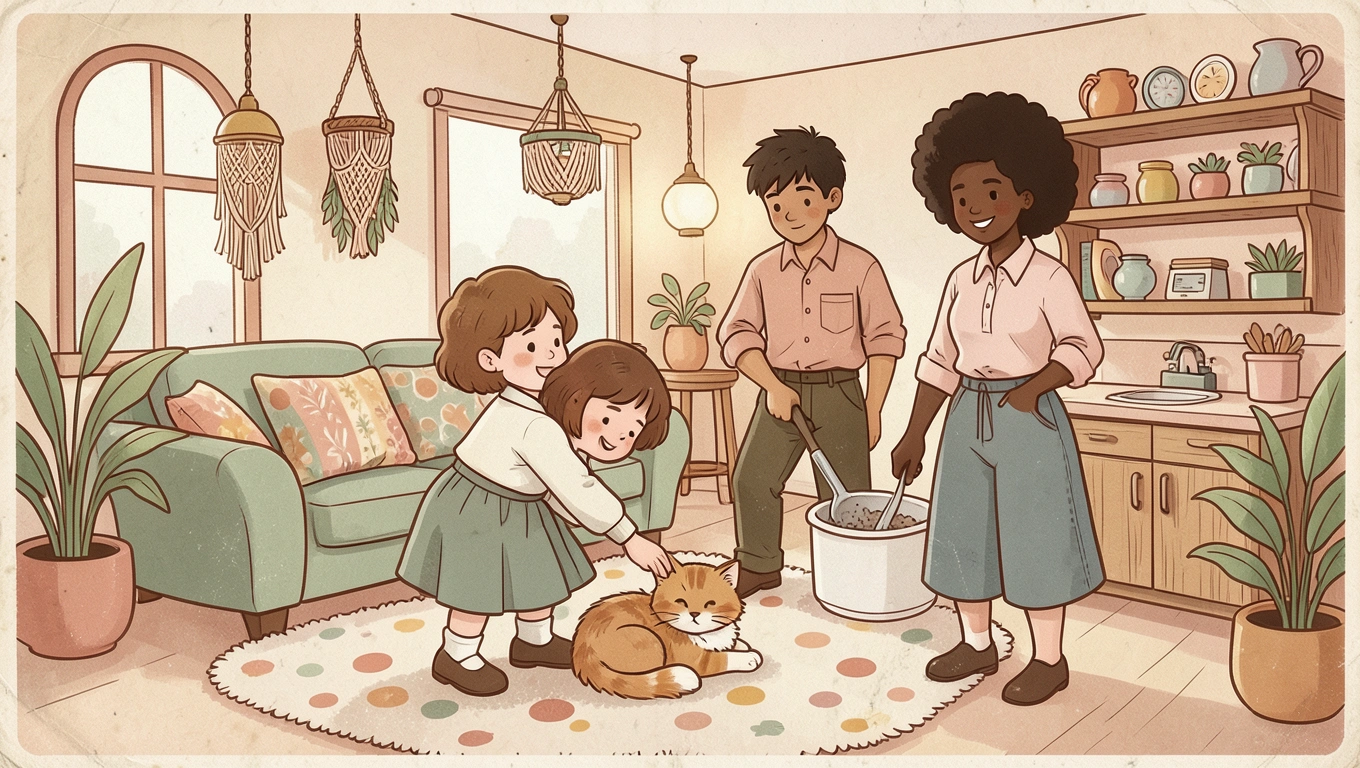
Bringing a cat into your family opens up a wonderful opportunity for your children to learn some of life’s most important lessons. Beyond the joy and companionship a feline friend provides, caring for a cat teaches responsibility, empathy, and respect for other living beings. When children participate in daily care tasks, they develop routines, build confidence, and discover what it means to put another creature’s needs before their own wants. The key is matching tasks to your child’s age and abilities while creating a safe, positive relationship between your child and your cat. With the right approach, both your children and your cat will thrive together.
Starting With Age-Appropriate Tasks
The first step in involving children in cat care is understanding what they can reasonably handle at different ages. Even toddlers and preschoolers can participate in simple ways under close supervision. They might help pour kibble into the cat’s bowl or shake treats into their hand before placing them down. These small acts teach the importance of routine and help young children understand that animals depend on us for their basic needs.
As children reach elementary school age, they can take on more responsibility. Age-appropriate cat care tasks for this group include feeding the cat at scheduled times, refilling water bowls throughout the day, and monitoring food levels. They can also help with grooming by gently brushing the cat’s coat, which reduces shedding and gives them quality bonding time with their pet. Show them how to hold the brush properly and move in the direction of the fur, and explain that some cats love being brushed while others tolerate it for only short periods.
Older children and teenagers can graduate to more complex responsibilities. They’re typically ready to learn proper litter box maintenance, which includes scooping daily and completely changing the litter regularly. This is an essential lesson in hygiene and follow-through. Make sure they understand the importance of washing their hands thoroughly with soap and water after handling the litter box. At this age, children can also take the lead on play sessions, understand when the cat needs veterinary care, and recognize signs that something might be wrong with their pet’s health or behavior.
Teaching Respect and Reading Body Language
One of the most valuable lessons children learn from living with a cat is that another living being has boundaries, moods, and needs that deserve respect. Cats aren’t toys to be picked up whenever a child feels like it. They need quiet time, safe spaces to retreat to, and the freedom to say no to interaction. Teaching this concept early helps children develop empathy and understand consent in a tangible, everyday way.

Help your children learn to recognize what their cat is communicating. A swishing tail often signals irritation or overstimulation. Ears pinned back usually mean the cat wants to be left alone. A cat that’s rubbing against their legs or purring while being petted is showing contentment and affection. When children understand these signals, they can respond appropriately and avoid situations where they might get scratched or bitten, and where the cat feels stressed or threatened.
Proper handling techniques matter for everyone’s safety and comfort. Show your children how to support a cat’s body correctly when picking them up, with one hand under the chest and the other supporting the back legs and bottom. Explain that dangling a cat by the front legs or squeezing too tightly can hurt them. Some cats don’t enjoy being held at all, and that’s perfectly fine. Children can show their affection through gentle petting, playing with toys, or simply sitting quietly nearby while the cat naps. Building safe, positive relationships between pets and children takes patience and consistent guidance from parents.
The Benefits Beyond Basic Care
While the practical skills children develop through cat care are valuable, the emotional and developmental benefits run even deeper. Studies suggest that children who grow up with pets may develop stronger immune systems and face reduced risks of certain allergies or respiratory issues. The daily interaction with a cat can also positively affect a child’s mental health by reducing stress and anxiety levels. There’s something calming about stroking soft fur or listening to a cat’s steady purring.
Cats offer emotional support and companionship that’s especially meaningful during challenging times. A child going through difficulties at school or struggling with friendship issues often finds comfort in the non-judgmental presence of a family cat. The animal doesn’t care about grades, social status, or awkward moments. This unconditional acceptance can help children feel less lonely and more secure.
Completing care tasks successfully also builds confidence and self-esteem. When a child realizes that their cat depends on them and that they’re capable of meeting those needs consistently, it creates a sense of competence and pride. They learn that their actions matter and that they can be trusted with important responsibilities. These lessons transfer to other areas of life, from homework completion to helping with household chores to showing up for friends and family members.
Making Interactive Play a Learning Opportunity
Play isn’t just fun for cats; it’s essential exercise that keeps them healthy and prevents behavioral problems. When children take charge of interactive play sessions, they’re doing more than entertaining their pet. They’re learning to observe what their cat enjoys, adjust their approach based on the cat’s responses, and commit to regular activity even when other distractions compete for their attention.
Teach your children to use appropriate toys rather than their hands or feet during play. Feather wands, laser pointers (always ending the game by letting the cat “catch” a physical toy), and small balls or toy mice all work well. Show them how to mimic prey movements, dragging toys away from the cat rather than toward them, and varying the speed and direction to keep things interesting. Most cats benefit from at least two play sessions daily, each lasting around 10 to 15 minutes.
Through these play sessions, children also learn to wind down activities appropriately. A cat that’s overstimulated might become aggressive or destructive. Help your children recognize when the cat is getting too excited and needs a calmer activity or some quiet time. This teaches emotional regulation and the importance of knowing when enough is enough, a lesson that serves children well in many contexts throughout their lives.
This article is for general information only and is not medical advice; talk to a qualified healthcare professional about your own situation.
Ques and Ais
What age can children start helping with cat care?
Even very young children around ages three to four can participate in simple cat care tasks under close supervision, such as helping pour food into a bowl or placing treats on the floor. The key is matching the task to the child’s developmental abilities and always supervising younger children around pets.
How do I teach my child not to be rough with our cat?
Model gentle behavior yourself, use calm voices around the cat, and immediately redirect any rough handling with clear explanations about why it hurts the cat. Praise gentle touches and appropriate interactions, and consider separating child and cat when you can’t actively supervise until your child demonstrates consistent gentleness.
Should children be involved in litter box cleaning?
Older children can learn to scoop and maintain the litter box with proper instruction about hygiene and thorough handwashing afterward. Younger children should not handle litter box duties due to hygiene concerns, but they can learn about this responsibility by watching and understanding it’s an important part of cat care.
What if my cat doesn’t like my child?
Give your cat safe spaces away from children, teach your child to respect the cat’s boundaries, and supervise all interactions. Some cats warm up slowly to children, especially if the child is loud or makes sudden movements. Patience, consistency, and respecting the cat’s comfort level usually improve the relationship over time.
Can caring for a cat really teach children responsibility?
Yes, when children have consistent, age-appropriate tasks and parents follow through on expectations, cat care becomes a meaningful responsibility. Children learn that another living being depends on them daily, which builds accountability, routine, and the understanding that responsibilities can’t be skipped when they’re inconvenient.
So, What We Learned?
Helping children care for a family cat creates layers of learning that go far beyond filling food bowls and cleaning litter boxes. Through these daily interactions, children develop empathy by recognizing that their cat has feelings, preferences, and boundaries that deserve respect. They build responsibility by showing up consistently for tasks that can’t be postponed or skipped. They gain confidence as they master new skills and see the positive results of their care in a healthy, happy cat.
The relationship between a child and a family cat can be one of the most formative experiences of childhood, teaching lessons about patience, gentleness, and the give-and-take of caring relationships. Start with small, supervised tasks and gradually increase responsibilities as your children grow and demonstrate readiness. The goal isn’t perfection but rather creating a safe, loving environment where both your children and your cat can learn from each other. When you invest the time to teach proper care and respectful interaction, you’re giving your children tools they’ll carry with them long after their childhood cat has lived a full, well-loved life.