There’s something deeply personal about hanging a portrait on your wall – especially when you’ve had it made just for you. Whether it’s a painting of a loved one, a cherished pet, or even yourself, commissioning custom artwork is an experience that blends creativity, collaboration, and trust. It’s not like ordering something off a website. You’re working directly with an artist, sharing your vision, and watching as they bring it to life. The process can feel mysterious if you’ve never done it before, but understanding what happens at each stage makes the journey smoother and more rewarding. If you’re thinking about commissioning a portrait, here’s what you can realistically expect from start to finish.
Finding the Right Artist and Starting the Conversation
The first step is choosing an artist whose style speaks to you. This isn’t about picking the most famous name or the cheapest option – it’s about finding someone whose work resonates with what you imagine. Spend time browsing portfolios, whether online or at local galleries. Look at how they handle faces, light, and emotion. Do their portraits feel stiff and formal, or warm and alive? Do they work in oils, watercolors, charcoal, digital media? Each medium brings its own mood and texture.
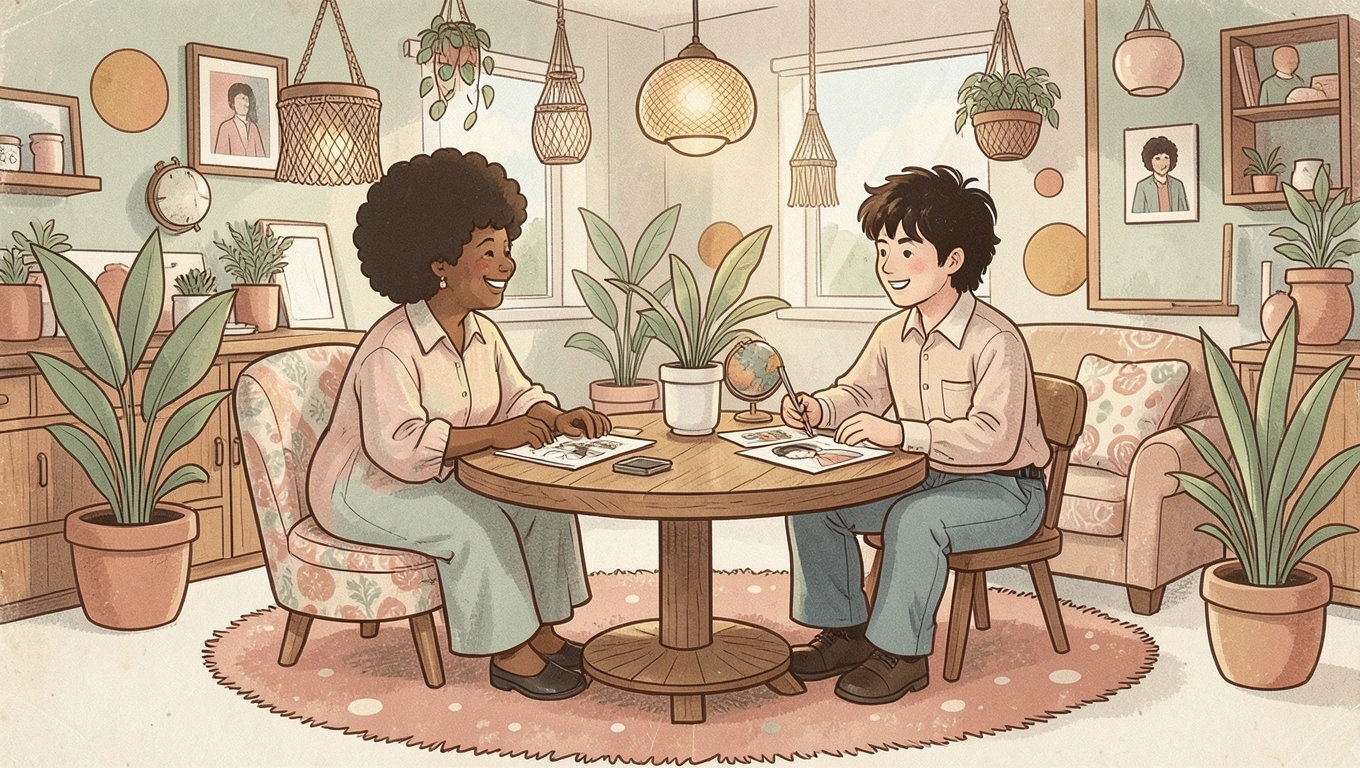
Once you’ve narrowed down your choices, reach out. Most artists welcome initial conversations, and this is your chance to ask questions. What’s their process like? How long do they typically take? What do they need from you? This conversation sets the tone for everything that follows. A good artist will ask you questions too – about who or what you want portrayed, the setting, the mood, and how you plan to display the finished piece. They might ask about your relationship to the subject and what details matter most to you.
Be honest about your budget from the start. Portrait commissions can vary widely in price depending on size, complexity, and the artist’s experience. A small charcoal sketch might be accessible to many people, while a large oil painting could represent a significant investment. Transparency here saves everyone time and helps the artist suggest options that work within your means.
Discussing the Details: Size, Style, and Reference Materials
Once you’ve agreed to work together, you’ll dive into the specifics. The artist will want to know the dimensions you have in mind. Are you thinking of something intimate that fits on a desk, or a statement piece for above the fireplace? Size affects not just cost, but also how much detail can be captured and where the portrait will ultimately live in your home.
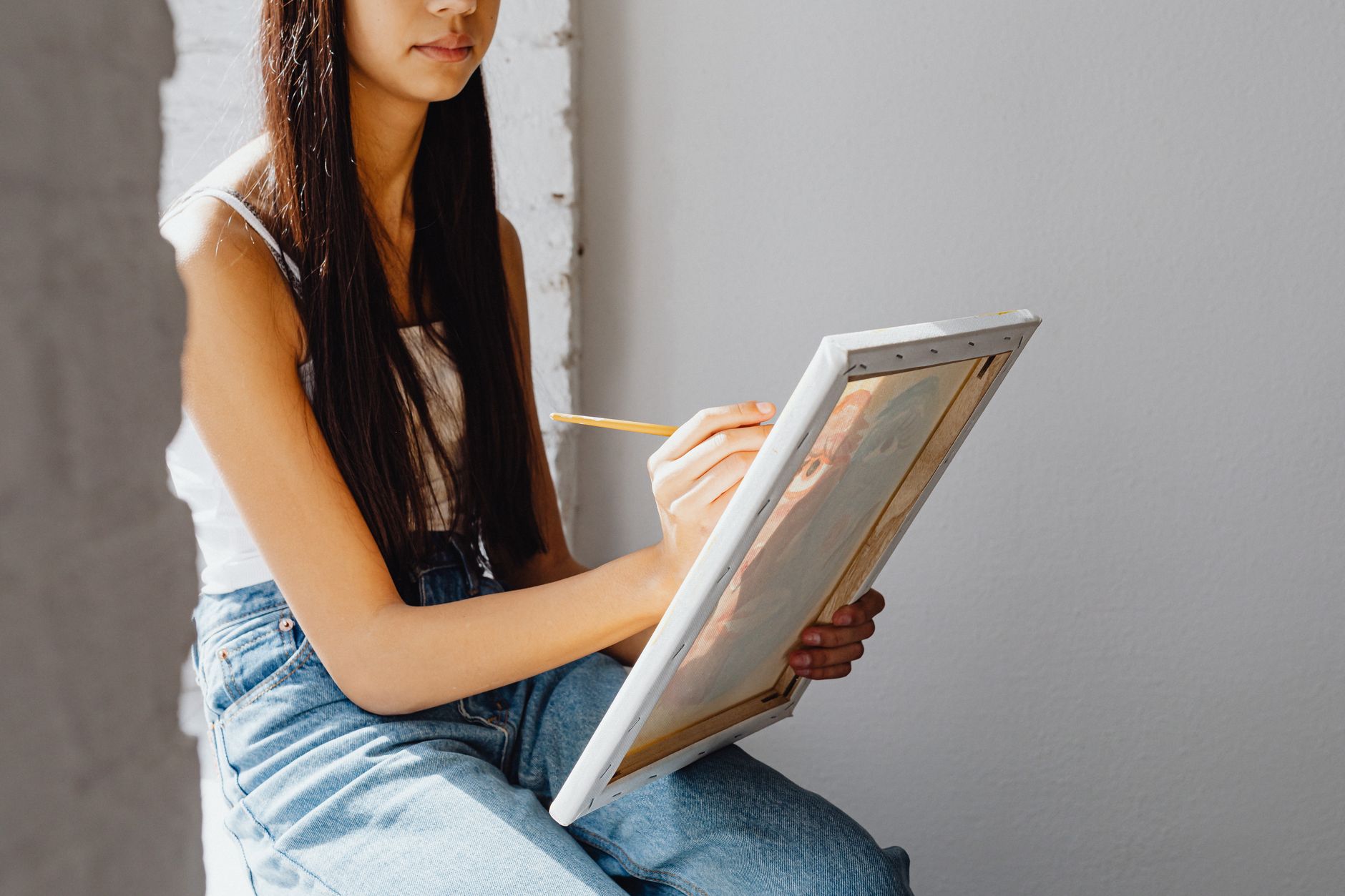
Style is another key conversation. Even if you love the artist’s overall portfolio, they might work in multiple approaches. Do you want something realistic and lifelike, or more impressionistic? Should it be formal or candid? Will it include background elements, or should the focus stay entirely on the face? Some clients have a clear vision; others benefit from the artist’s guidance. There’s no wrong way to approach this, as long as you’re both on the same page.
Reference photos are the foundation of most portrait work. If you’re commissioning a portrait of a person, you’ll need to provide high-quality images – ideally several, showing the subject from different angles and in good lighting. If the subject is available for in-person sittings, that’s even better, though many contemporary commissions rely entirely on photographs. For pet portraits, action shots alongside close-ups help the artist capture personality. The more material you can provide, the more the artist has to work with, though they’ll guide you on what’s most useful.
Approvals, Deposits, and the Creation Process
Before the artist begins the final piece, they’ll usually create preliminary sketches or digital mock-ups. This is your chance to request adjustments – a different pose, a tweaked expression, a change in composition. It’s much easier to make changes at this stage than after hours of detailed work have been invested. Take this step seriously, but also trust the artist’s expertise. They understand how light, proportion, and color work together in ways that might not be obvious from a rough sketch.
Payment typically happens in stages. Most artists ask for a deposit upfront, often a significant portion of the total fee. This secures your spot in their schedule and covers initial materials. The remaining balance is due when the portrait is finished and you’ve approved it. Some artists split payment into three parts – deposit, midpoint check-in, and final delivery. This structure protects both parties and keeps the project moving forward.
Then comes the creation phase, and here’s where patience becomes important. Depending on the artist’s workload and the complexity of your commission, you might wait anywhere from a few weeks to several months. A detailed oil portrait takes time – layers need to dry, details need refining, and the artist needs space to work without rushing. Some artists provide progress photos along the way; others prefer to reveal the finished work all at once. Either approach is valid, so discuss expectations early if you have a preference or a deadline.
Receiving Your Portrait and What Comes Next
When the portrait is complete, the artist will show you the final piece. This is an emotional moment – seeing someone you love captured in paint or charcoal can be surprisingly moving. If something isn’t quite right, speak up, but be specific. “I don’t like it” doesn’t give the artist much to work with, but “the smile seems a bit off – could it be softer?” is actionable. Most artists will make minor adjustments as part of the commission, but major overhauls may involve additional fees.
Once you approve the work, you’ll arrange delivery or pickup. If the portrait needs to be shipped, make sure it’s properly packaged and insured. Some artists handle framing; others deliver the work unframed, leaving that choice to you. Framing is worth considering carefully, as the right frame can enhance the portrait, while the wrong one can detract from it. If you’re unsure, ask the artist for recommendations or consult a professional framer.
Finally, think about care and placement. Original artwork is an investment, and it deserves protection. Keep portraits out of direct sunlight, which can fade pigments over time. Avoid hanging them in humid environments like bathrooms. Dust the frame gently, but let professionals handle any needed restoration work. A well-maintained portrait can last for generations, becoming a family heirloom that carries stories forward.
Ques and Ais
How much does a commissioned portrait typically cost?
Prices vary widely based on the artist’s experience, the size of the work, and the medium used. A small charcoal portrait might be relatively affordable, while a large oil painting from an established artist can represent a substantial investment. Always discuss budget upfront.
How long does it take to complete a commissioned portrait?
The timeline depends on the artist’s schedule and the complexity of the piece. Simple works might be ready in a few weeks, while detailed commissions can take several months. Ask your artist for an estimated completion date at the start.
Can I request changes after seeing the preliminary sketch?
Yes, the sketch stage is specifically for feedback and adjustments. This is the time to suggest changes to pose, composition, or expression. Once the final work is underway, significant changes become much more difficult.
What if I don’t like the finished portrait?
Communicate clearly and specifically about what isn’t working for you. Most artists will make reasonable adjustments as part of the commission. Major changes may require additional fees, and it’s rare to receive a full refund if you simply change your mind.
Do I need to provide framing for the portrait?
Some artists include framing in their commission fee, while others deliver unframed work. Clarify this during your initial discussions. If framing isn’t included, you can choose your own frame or consult with a professional framer for guidance.
So, What We Learned?
Commissioning a portrait is more than a transaction – it’s a collaboration that requires communication, patience, and mutual respect. You’re not just buying a product; you’re participating in the creation of something unique. The process works best when you’ve chosen an artist whose style aligns with your vision, when you’ve shared clear references and honest feedback, and when you’ve allowed enough time for the work to unfold naturally. The result is something irreplaceable: a piece of art that holds personal meaning and tells a story only you and the artist fully understand. Whether it’s a gift for someone you love or a way to preserve a moment in time, a commissioned portrait becomes part of your life in ways that mass-produced art never can. Take the time to find the right artist, trust the process, and you’ll end up with something truly worth keeping.