Watching your child splash in the bath or giggle at the sprinkler might make you wonder if it’s time to sign up for swimming lessons. It’s a question many parents face, and the answer isn’t as simple as hitting a certain birthday. Swimming is both a joyful activity and an important safety skill, so knowing when your child is truly ready – physically, emotionally, and developmentally – can make all the difference in how they experience the water for years to come.
The decision involves more than just age. It’s about observing your child’s comfort level, their ability to follow directions, and their physical coordination. Some children are excited and ready at two, while others need more time to feel secure around water. Understanding the signs of readiness helps you choose the right moment, setting your child up for a positive experience rather than frustration or fear.
Age Guidelines and What They Really Mean
The American Academy of Pediatrics offers helpful guidance on this topic. Many children can begin swim lessons around age one as an added layer of protection against drowning. However, for babies under one year old, there’s no evidence that infant swim lessons actually reduce drowning risk. This doesn’t mean you can’t introduce your baby to water – it just means the focus should be on gentle acclimation rather than survival skills.
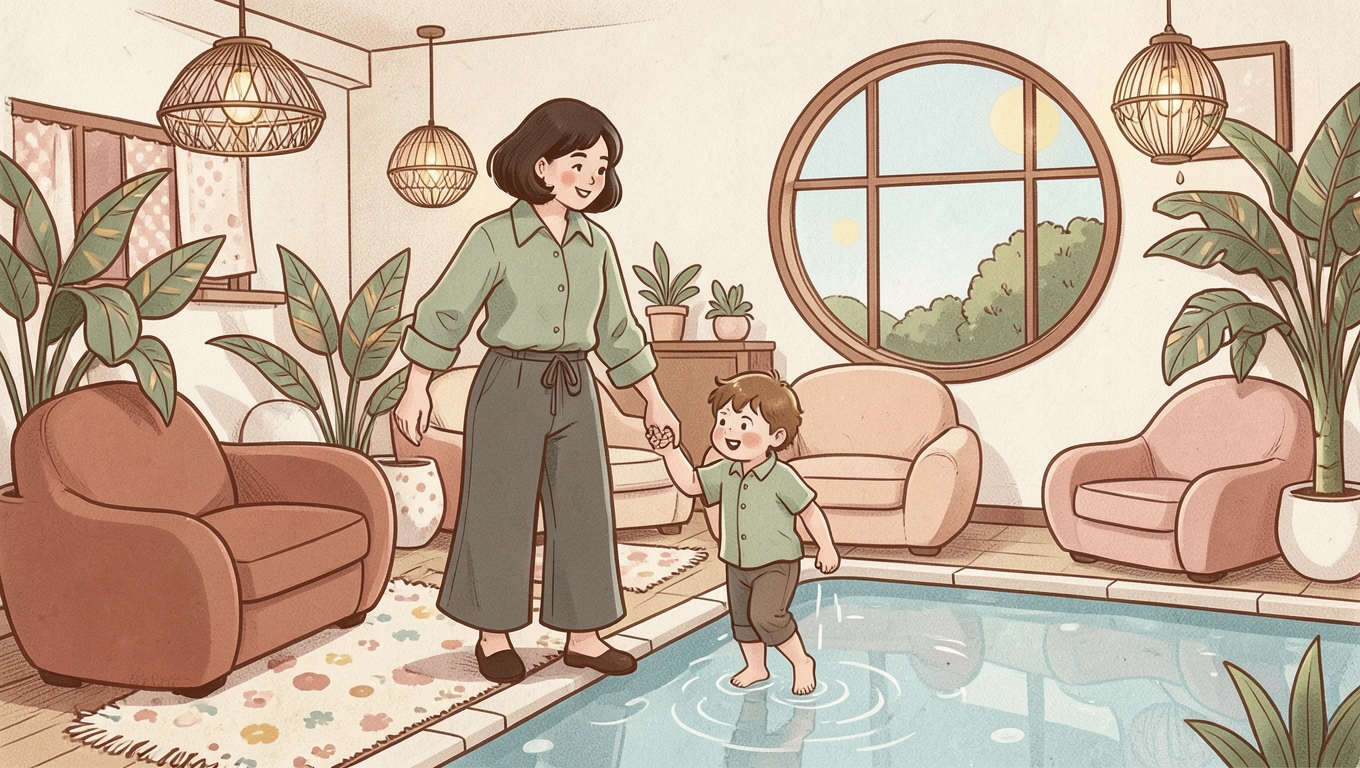
What happens at different ages varies considerably. For infants between three and twelve months, lessons typically emphasize water acclimation with heavy parent participation. You’re in the pool together, helping your baby get comfortable with the sensation of water, the sounds, and the movement. It’s sensory introduction, not swimming instruction.
Toddlers between one and three years old can begin learning foundational water safety skills. They might practice assisted back floating, learn how to safely enter and exit the water, and start understanding basic concepts like holding onto the wall. At this stage, lessons still require close supervision and often parent involvement, but the activities become slightly more structured.
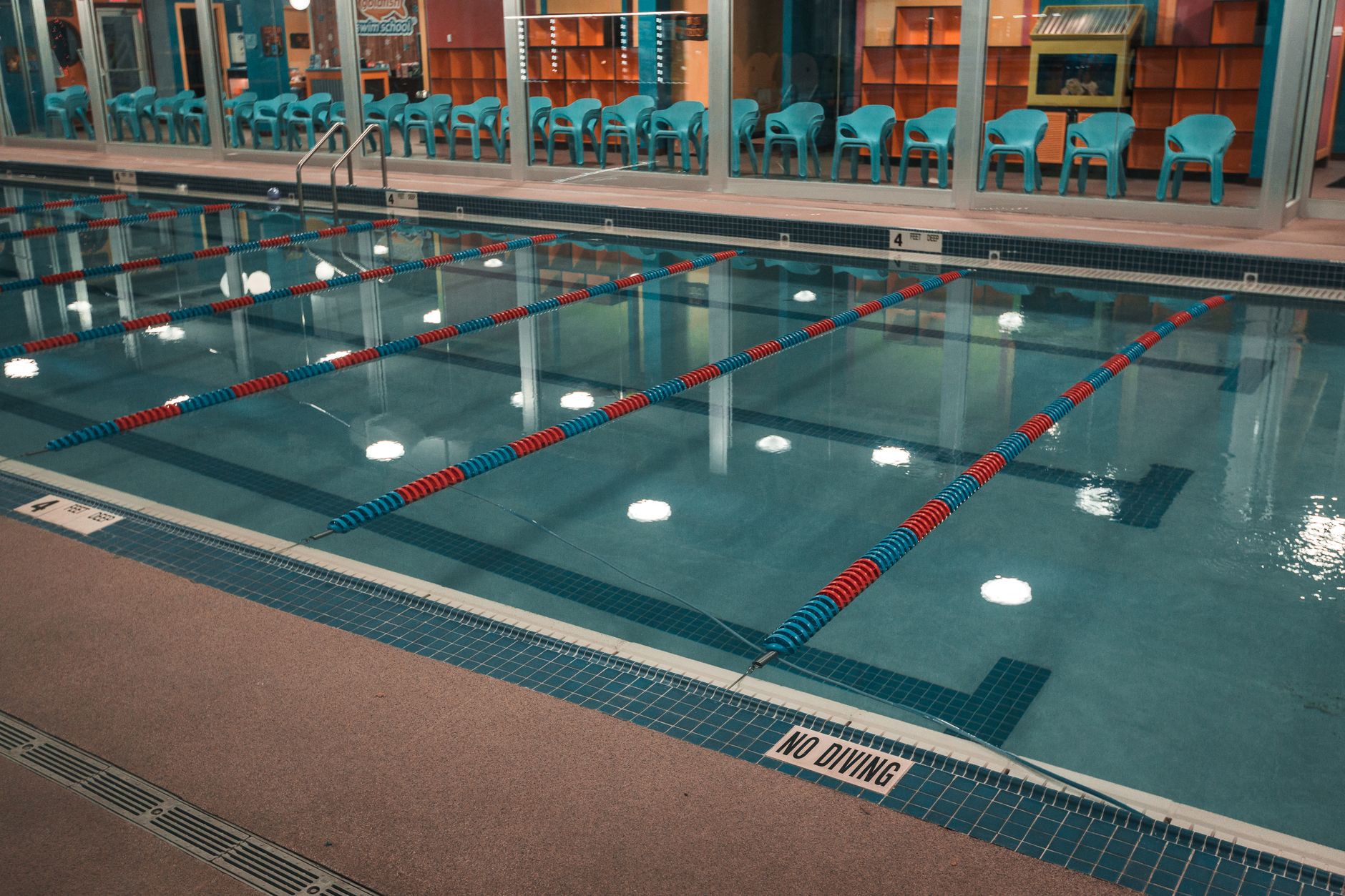
Children aged three to five are often developmentally ready for more independent instruction. They can typically follow multi-step directions, have better body control, and can begin learning actual water survival skills. This is when many children start to truly “swim” rather than just play in water. Older children, six and up, often progress quickly because they have better physical coordination, longer attention spans, and improved listening skills. They can learn proper stroke techniques and more advanced safety skills.
Recognizing the Physical and Emotional Signs
Age is just one factor. Your child’s individual development matters more than the calendar. One of the clearest indicators is curiosity about water. If your child shows genuine interest in puddles, sprinklers, or bath time and doesn’t become distressed when water touches their face, they’re likely ready to explore water in a more structured setting. Children who flinch, cry, or show significant anxiety around water may need more time or a gentler introduction before formal lessons.
Physical coordination plays a crucial role. Children who can move their arms and legs with some control, maintain basic balance, and copy simple movements tend to do well in swim lessons. This doesn’t mean they need to be athletic or particularly graceful – just capable of understanding how their body moves through space. If your child struggles with basic coordination on land, they may find water activities frustrating rather than fun.
The ability to follow simple instructions is essential. If your child can understand and respond to basic directions like “kick your feet” or “hold on tight,” they’re prepared for the structure of swim lessons. Instructors rely on verbal cues and demonstrations, so children who can’t yet process these directions may spend most of their lesson confused rather than learning.
Emotional readiness matters just as much. If your child is comfortable being guided by another adult and can spend short periods away from you without becoming distressed, they’re more likely to participate independently in lessons. Children who enjoy social activities and playing with others often thrive in group swim lessons, feeding off the energy and excitement of their peers.
Practical Considerations Before You Sign Up
Once you’ve identified the signs of readiness, think about the practical aspects of swim lessons. Class format makes a difference. Parent-and-child classes work well for younger children who need that security, while independent lessons suit older or more confident kids. Group lessons offer social interaction and can be more affordable, but private lessons provide individualized attention and faster skill progression.
The instructor’s approach matters enormously. Look for certified instructors who have experience with your child’s age group and who understand child development. A skilled instructor knows how to balance safety with fun, how to encourage without pushing, and how to adapt to different learning styles. Watch a class if possible before enrolling, and notice how the instructor interacts with students who are hesitant or struggling.
Your child’s personality should guide your choice. A cautious child might do better with a patient, gentle instructor in a smaller class, while an adventurous child might thrive in a more energetic group setting. There’s no one-size-fits-all approach, and what worked for a friend’s child might not suit yours.
Consider the commitment involved. Swim lessons require consistency – sporadic attendance won’t build skills effectively. Think about your schedule, transportation, and whether your child can handle the routine. Some children do beautifully with twice-weekly lessons, while others get overwhelmed. Starting with once a week and seeing how your child responds is often a good compromise.
What to Do If Your Child Isn’t Quite Ready
Not every child is ready when you think they should be, and that’s completely normal. Pushing a child into lessons before they’re ready can create negative associations with water that last for years. If your child shows signs of anxiety, fear, or resistance, it’s worth pausing and building comfort gradually at home.
You can prepare your child through play. Bath time offers opportunities to practice getting water on their face, blowing bubbles, and floating toys. A backyard kiddie pool or trips to a splash pad help children associate water with fun rather than stress. Let them control the experience – if they want to stay at the edge, that’s fine. If they’re ready to go deeper, follow their lead.
Some children need to see swimming as enjoyable before they can learn it as a skill. Watching other children swim, reading books about swimming, or talking about what happens in lessons can demystify the experience. Building positive anticipation works better than forcing participation.
Remember that readiness can change quickly in young children. A child who wasn’t ready six months ago might suddenly be enthusiastic and capable. Revisit the signs of readiness periodically, and stay open to your child’s cues. Sometimes all they need is a little more time to mature physically and emotionally.
This article is for general information only and is not medical advice; talk to a qualified healthcare professional about your own situation.
Ques and Ais
Can babies under one year really learn to swim?
Babies under one can’t truly swim independently or develop survival skills. Infant lessons focus on water acclimation and comfort through parent-child activities. Research shows these early lessons don’t reduce drowning risk, though they can help babies become comfortable in water.
How do I know if my child is too scared for swim lessons?
If your child shows intense fear, refuses to enter the water even at the edge, or becomes extremely distressed when water touches their face, they may need more time. Gradual exposure through play and positive water experiences at home can help build confidence before formal lessons.
Should I choose group or private swimming lessons?
Group lessons offer social interaction and are typically more affordable, making them great for children who enjoy playing with peers. Private lessons provide individualized attention and faster skill progression, working well for anxious children or those needing specific accommodations. Choose based on your child’s personality and learning style.
What if my child refuses to participate during lessons?
Refusal often means your child isn’t quite ready, the instructor’s approach doesn’t match their needs, or they’re overwhelmed. Talk to the instructor about adjusting the approach, consider a break, or try a different class format. Forcing participation rarely helps and can create lasting negative associations.
How long does it take for a child to learn basic swimming skills?
The timeline varies dramatically based on age, developmental readiness, and lesson frequency. Young toddlers may need a full season just for water comfort, while school-age children might grasp basics within several weeks of consistent lessons. Focus on steady progress rather than arbitrary timelines.
So, What We Learned?
Deciding when your child is ready for swimming lessons isn’t about checking off a birthday or meeting an arbitrary standard. It’s about watching your child, understanding their individual development, and recognizing when curiosity, physical coordination, and emotional readiness align. The American Academy of Pediatrics provides useful age guidelines, but your child’s unique personality and comfort level matter more than any chart.
The signs are there if you look for them: interest in water, ability to follow simple directions, basic body control, and willingness to engage with new adults and activities. When these pieces come together, swimming lessons become an opportunity for growth and joy rather than stress and frustration. And if those signs aren’t there yet, waiting is not only acceptable but wise. Building positive associations with water through play, patience, and gradual exposure sets the foundation for successful lessons when the time is right.
What matters most is that your child’s first experiences with swimming feel safe and enjoyable. Those early lessons shape how they’ll feel about water for the rest of their lives. Rush it, and you might create fear that takes years to undo. Wait for genuine readiness, and you give your child the gift of confidence in and around water – a skill that will serve them well for decades to come.