Stress has a way of creeping into every corner of our lives. Whether it’s a tight deadline at work, an unexpected expense, or just the daily juggle of responsibilities, those moments can leave us feeling frazzled and depleted. The good news is that you don’t need a complete life overhaul or hours of free time to dial down the tension. Small, intentional habits woven throughout your day can genuinely soften the sharp edges of stress. These aren’t grand gestures or complicated routines – they’re quiet moments of reset that help you reclaim a sense of calm when everything feels like too much.
The Power of Breathing When Everything Feels Tight
When stress hits, your body responds immediately. Your heart rate climbs, your muscles tense, and your thoughts start racing. One of the simplest ways to interrupt that cascade is through intentional breathing. Deep breathing activates the body’s relaxation response, reducing stress hormones and promoting a sense of calm.
You don’t need a yoga mat or a quiet room to make this work. You can practice deep breathing at your desk, in your car before heading inside, or even while waiting in line at the grocery store. Try breathing in slowly through your nose for a count of four, holding for four, then releasing through your mouth for four. Repeat this a few times and notice how your shoulders drop and your jaw unclenches.
What makes this habit so valuable is its accessibility. You’re never without your breath, which means you’re never without this tool. It works because it sends a signal to your nervous system that you’re safe, that you can slow down, even if just for a minute. Over time, this practice can become your first line of defense when tension starts to build.
Moving Your Body, Even Just a Little
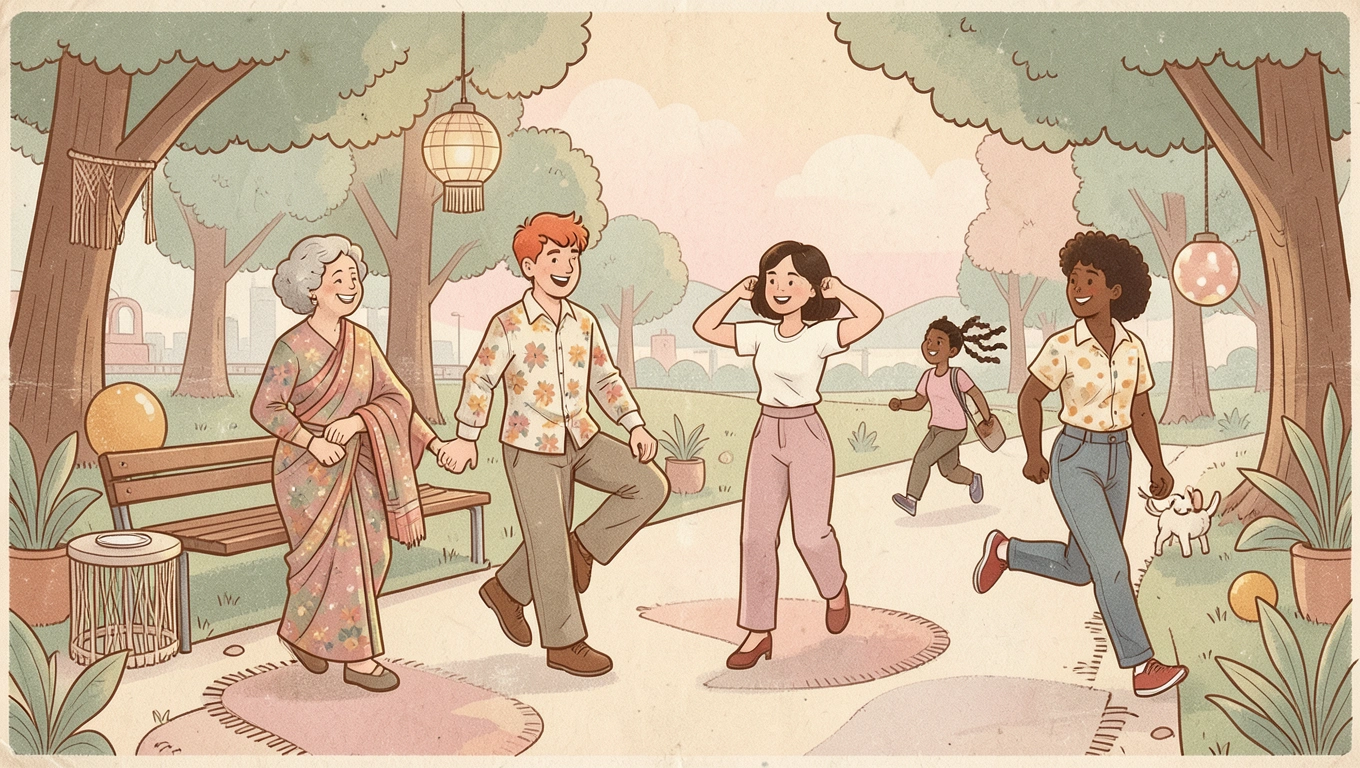
Physical movement shifts something fundamental in how we process stress. Even a short walk can reduce anxiety and improve mood by triggering the release of mood-lifting chemicals in the brain. You don’t need to commit to an intense workout or a long gym session – sometimes just stepping outside for a few minutes makes all the difference.
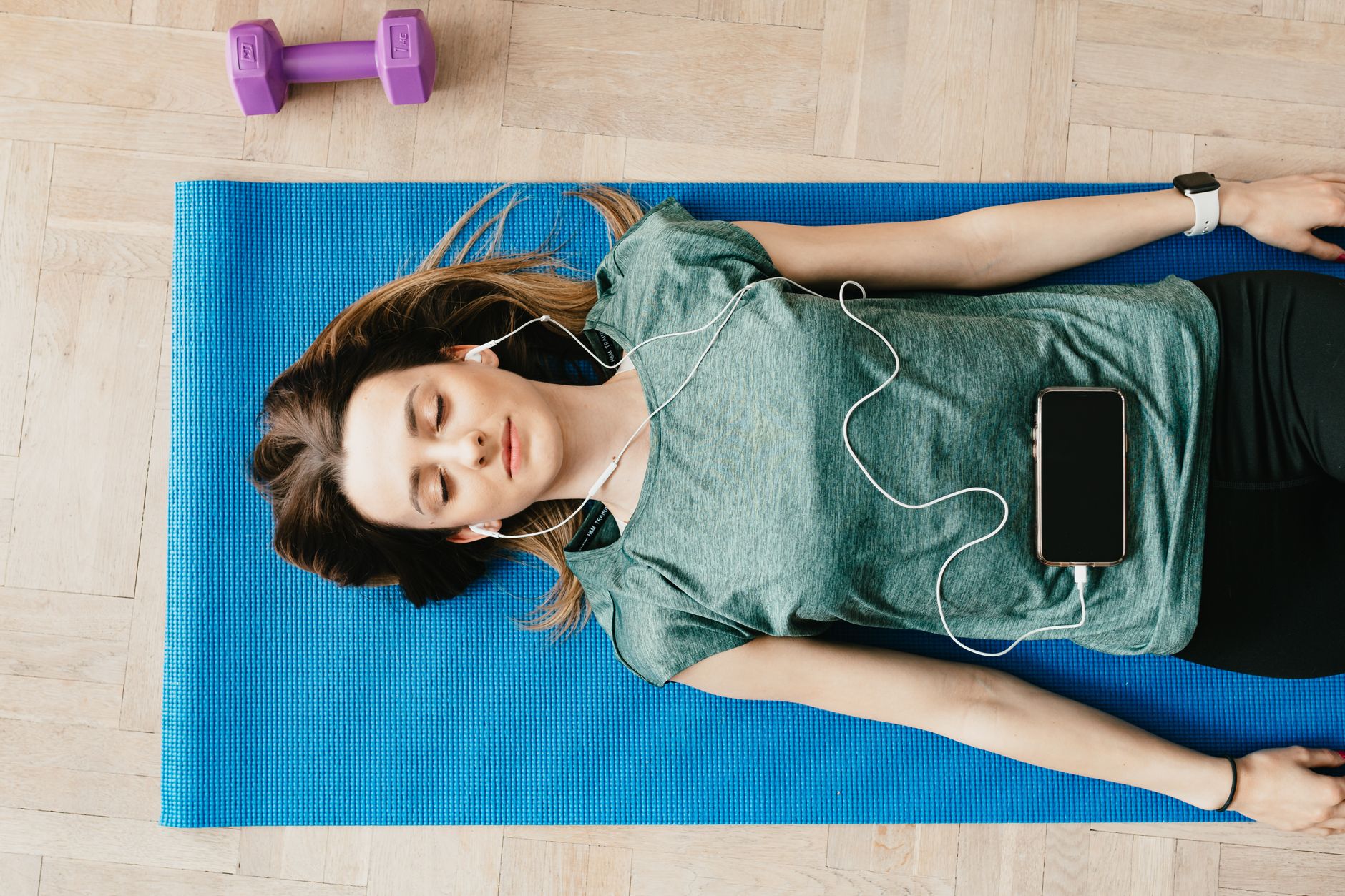
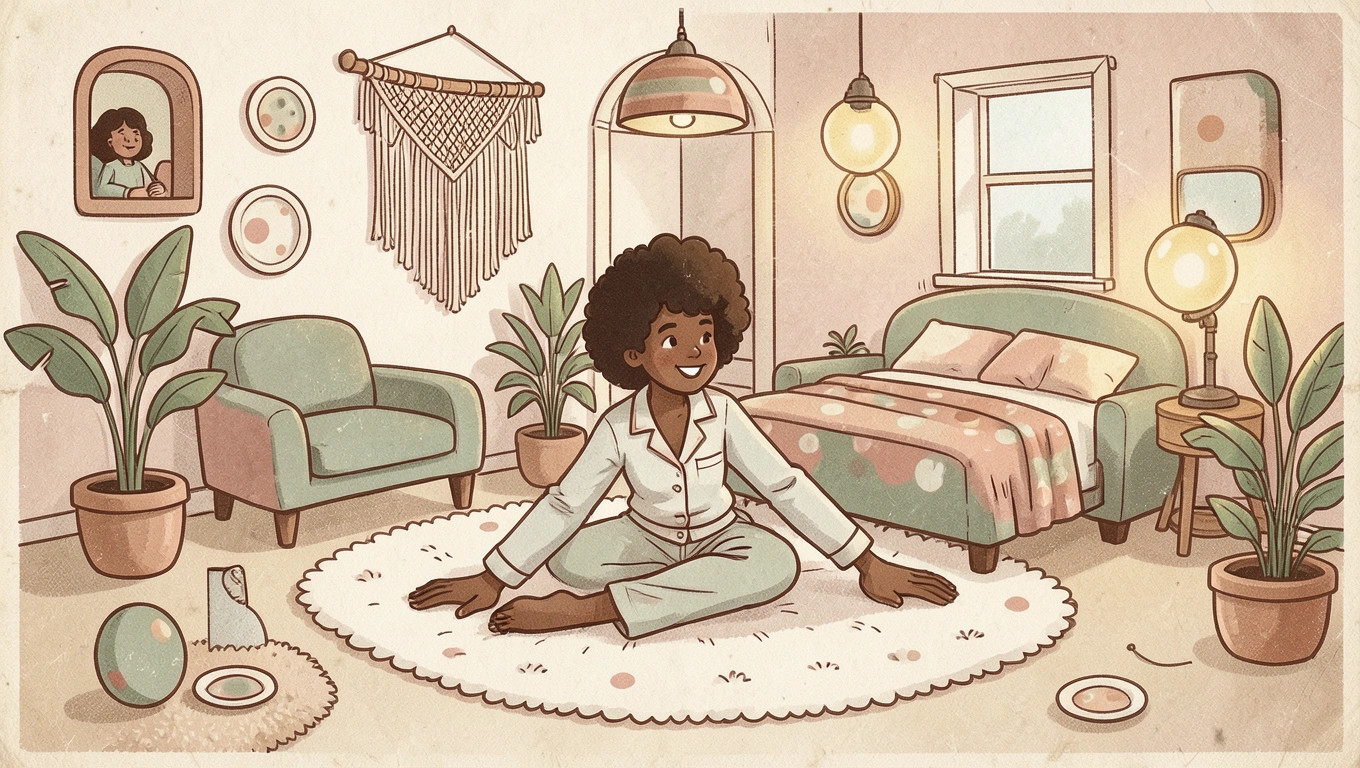
Think of movement as a way to shake off what’s stuck. When you’ve been sitting in the same position, staring at the same screen, or replaying the same worry, your body holds that tension. A walk around the block, a few stretches in your living room, or even dancing to one song in your kitchen can break that cycle. The change of scenery and the physical release work together to clear your head.
The beauty of this habit is that it scales to fit your life. On days when you have more time, a longer walk or a gentle yoga session might feel right. On busier days, even standing up and doing a few shoulder rolls or walking to get a glass of water counts. What matters is the pattern of returning to movement when stress tightens its grip.
Writing It Down to Let It Go
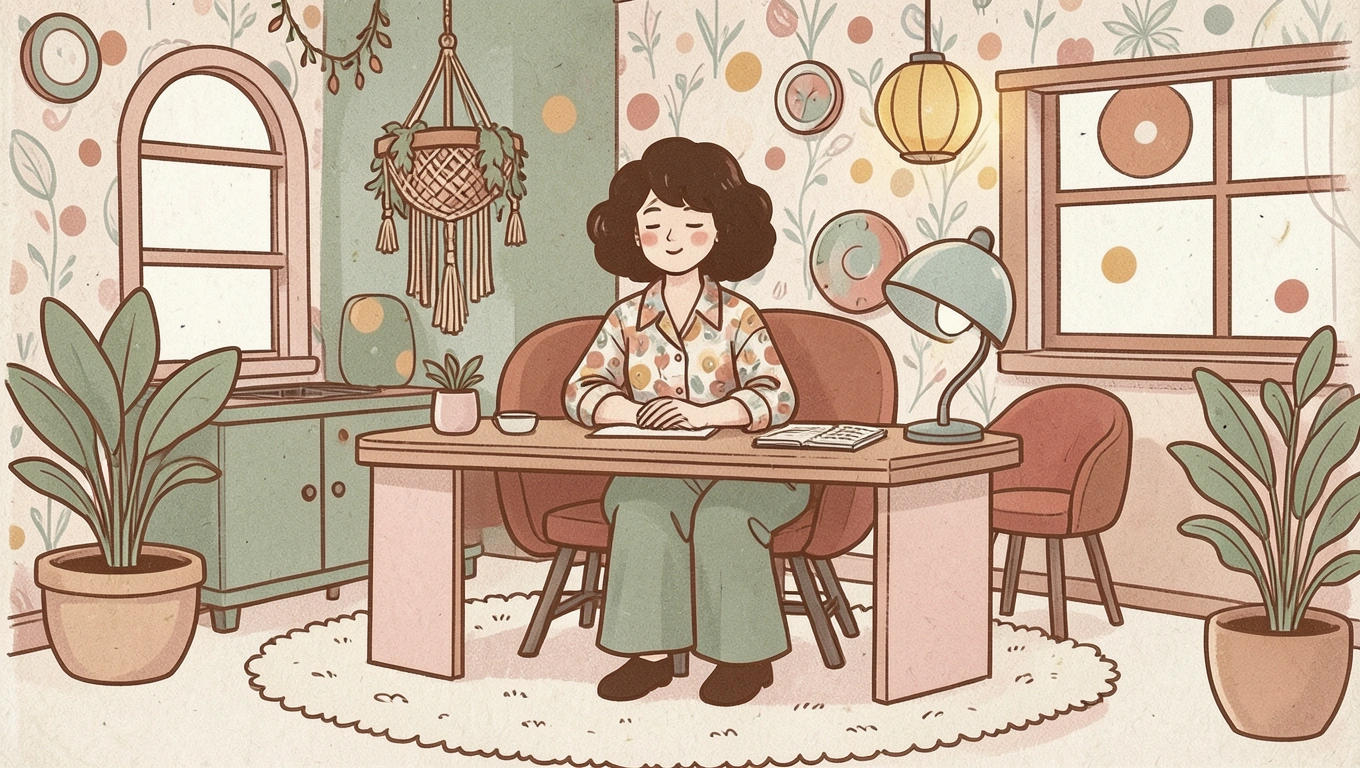
There’s something almost magical about getting your thoughts out of your head and onto paper. Journaling allows individuals to write down their thoughts and feelings, which can release pent-up emotions and reduce stress. It’s not about crafting perfect sentences or keeping a record for posterity – it’s about giving yourself permission to dump everything that’s swirling around in your mind.
You might write about what’s bothering you, what went well today, or what you’re worried about tomorrow. The act of naming these things, of putting them into words, often strips away some of their power. What felt overwhelming when it was just a vague cloud of anxiety becomes more manageable when you can see it clearly on the page.
Some people find it helpful to journal first thing in the morning to clear their minds before the day begins. Others prefer the evening, using it as a way to process the day and set it down before bed. There’s no wrong time or method – just the practice of creating a space where your thoughts can land somewhere other than in endless mental loops.
Building in Tiny Pauses Throughout Your Day
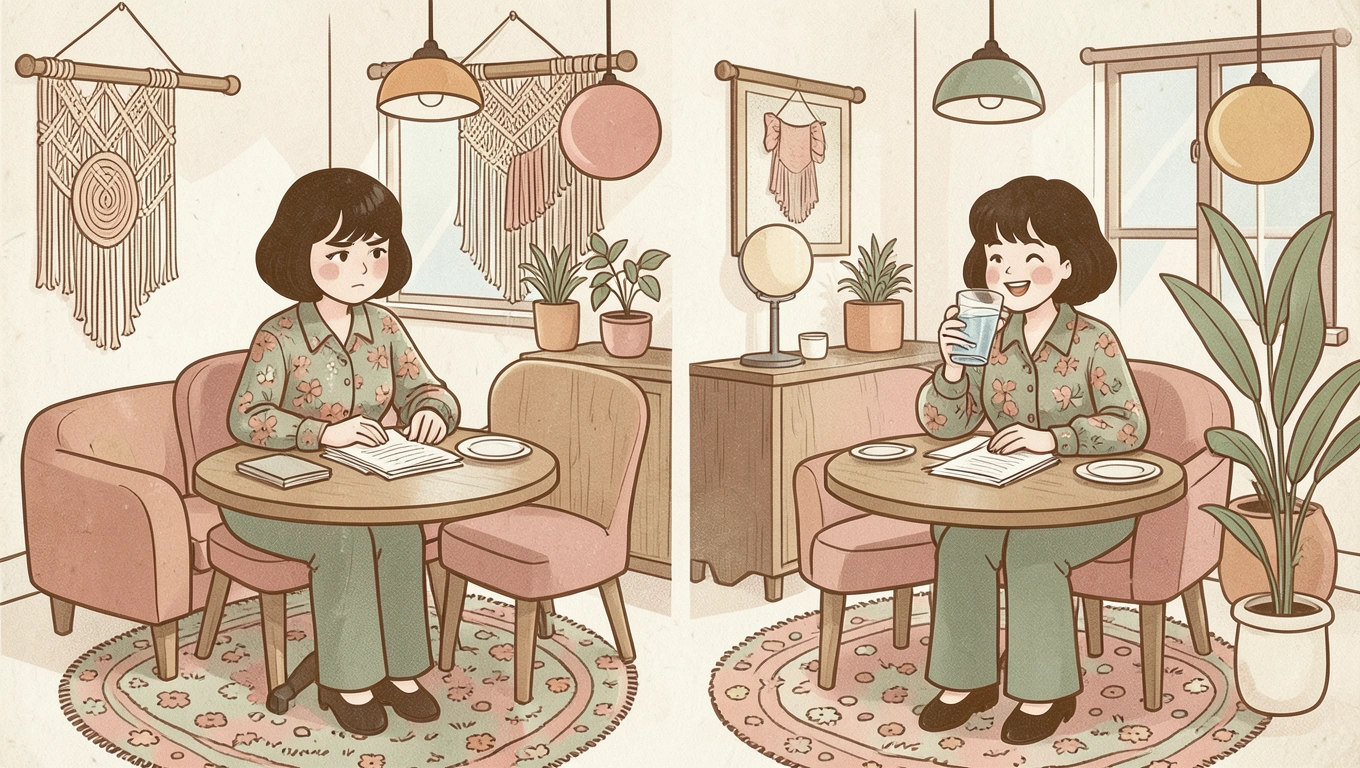
We often think of breaks as something we earn after completing a big task, but taking short microbreaks during the day to stretch, engage in deep breathing, or walk around can help manage stress and restore energy. These aren’t long interruptions – we’re talking about pauses as brief as five minutes that give your mind and body a chance to reset.
The mistake many of us make is powering through until we’re completely drained, then wondering why we feel so burnt out. Microbreaks work differently. They’re preventative, helping you maintain steadier energy and focus rather than running on fumes. Stand up and stretch your arms overhead. Step outside for a moment and feel the air on your face. Close your eyes and just breathe for sixty seconds.
These small interruptions might feel indulgent at first, especially if you’re used to pushing through. But they actually make you more effective, not less. When you give yourself these moments to pause, you come back to your tasks with a clearer mind and less accumulated tension. Over time, you’ll likely notice that the quality of your work and your overall mood both improve.
Staying Present Instead of Spinning Forward
Much of what we call stress lives in the future – worrying about what might happen, what could go wrong, or how we’ll manage something that hasn’t arrived yet. Practicing mindfulness helps to train the mind to focus on the present moment, which can significantly decrease stress and anxiety. It’s about anchoring yourself in what’s actually happening right now, rather than the stories you’re telling yourself about tomorrow.
Mindfulness doesn’t require meditation cushions or special apps, though those can help if they work for you. It can be as simple as paying full attention to one thing you’re doing. When you’re washing dishes, notice the temperature of the water and the feel of the soap. When you’re eating, actually taste your food instead of scrolling through your phone. When you’re talking to someone, listen completely rather than planning what you’ll say next.
This practice builds a kind of mental muscle that helps you catch yourself when you’re spiraling into worry. You start to notice when your mind has jumped ahead to problems that don’t exist yet, and you can gently bring it back to the present. That doesn’t make real concerns disappear, but it does keep you from carrying the weight of imagined disasters alongside your actual responsibilities.
This article is for general information only and is not medical advice; talk to a qualified healthcare professional about your own situation.
Ques and Ais
How quickly can stress-reducing habits actually work?
Some habits offer immediate relief – deep breathing can calm your nervous system within minutes, and a short walk often shifts your mood noticeably right away. Others, like journaling or mindfulness, build their benefits over time with consistent practice, though you might feel a sense of release even after your first session.
What if I don’t have time for self-care during stressful periods?
That’s exactly when these small habits matter most. They’re designed to fit into tight schedules – a few deep breaths take seconds, a microbreak takes five minutes, and journaling can be as brief as jotting down three sentences. Think of them as essential maintenance, not optional extras.
Can these habits replace professional help for chronic stress?
These daily practices are valuable tools for managing everyday stress, but they’re not substitutes for professional support when you’re dealing with persistent anxiety, burnout, or other mental health concerns. They work best as part of a broader approach that might include therapy or counseling when needed.
How do I remember to actually do these things when I’m stressed?
Start by attaching one habit to something you already do regularly – breathe deeply after you sit down at your desk, or take a short walk after lunch. Setting simple reminders on your phone can help initially, but the goal is for these practices to become automatic responses to stress.
Is it better to do one habit consistently or try several at once?
Begin with one that feels most natural or appealing to you, and let it become a regular part of your routine before adding others. Building one solid habit creates momentum and confidence, making it easier to layer in additional practices over time without feeling overwhelmed.
So, What We Learned?
The habits that take the edge off a stressful day aren’t about perfection or adding more items to your to-do list. They’re about creating small pockets of relief and reset that help you move through difficult moments with a bit more grace. Whether it’s a few conscious breaths, a short walk, some time with your journal, or a minute of truly paying attention to where you are right now, these practices work because they’re simple enough to actually do when life gets hard.
What strikes me most about these habits is how they shift the relationship we have with stress itself. Instead of just enduring it until it passes, we learn to actively tend to ourselves in the middle of it. That changes things. It means stress doesn’t have to flatten us completely before we respond. We can catch ourselves earlier, be kinder to ourselves in the process, and build resilience that serves us long after any particular stressful day has ended. The real power isn’t in any single breath or walk – it’s in the pattern of returning to these small acts of care, again and again, until they become part of how you move through the world.