

Waking up with stiff joints can make even the simplest morning routines feel like a challenge. Whether it’s your knees protesting as you stand up or your fingers feeling tight when you reach for your coffee mug, minor joint stiffness is something many of us experience regularly. The good news is that small, consistent habits woven into your daily routine can make a noticeable difference. These aren’t complicated medical interventions or expensive treatments – just practical, gentle approaches that support your body’s natural joint health. Let’s look at the everyday habits that can help ease that unwelcome stiffness and keep you moving more comfortably throughout your day.
Keep Your Body Moving With Low-Impact Exercise
One of the most effective ways to reduce joint stiffness is counterintuitive: movement. When joints feel stiff, our instinct might be to rest them completely, but gentle, regular activity actually helps. Low-impact exercises like walking, swimming, or cycling keep joints moving and strengthen the muscles around them, which provides better support and reduces strain.
Think of it this way – joints need movement to stay lubricated, much like a door hinge works better when it’s used regularly rather than left to rust. Walking for just twenty to thirty minutes most days can make a significant difference. Swimming is particularly valuable because the water supports your body weight while allowing full range of motion. Even cycling, whether outdoors or on a stationary bike, gives your knees and hips smooth, circular movement without harsh impact.
The key is consistency rather than intensity. You don’t need to train for a marathon or spend hours at the gym. Instead, find activities you genuinely enjoy and can maintain over time. A daily walk around your neighborhood, water aerobics at a local pool, or a gentle bike ride all count. Your joints benefit most from regular, moderate movement that doesn’t cause pain or excessive fatigue.
Stretch Gently Every Day
Daily stretching might seem too simple to make much difference, but it’s remarkably effective for loosening stiff joints and muscles. Gentle stretches improve flexibility and range of motion, making everyday movements feel easier. The beauty of stretching is that you can do it almost anywhere – while watching television, waiting for your coffee to brew, or even sitting at your desk.
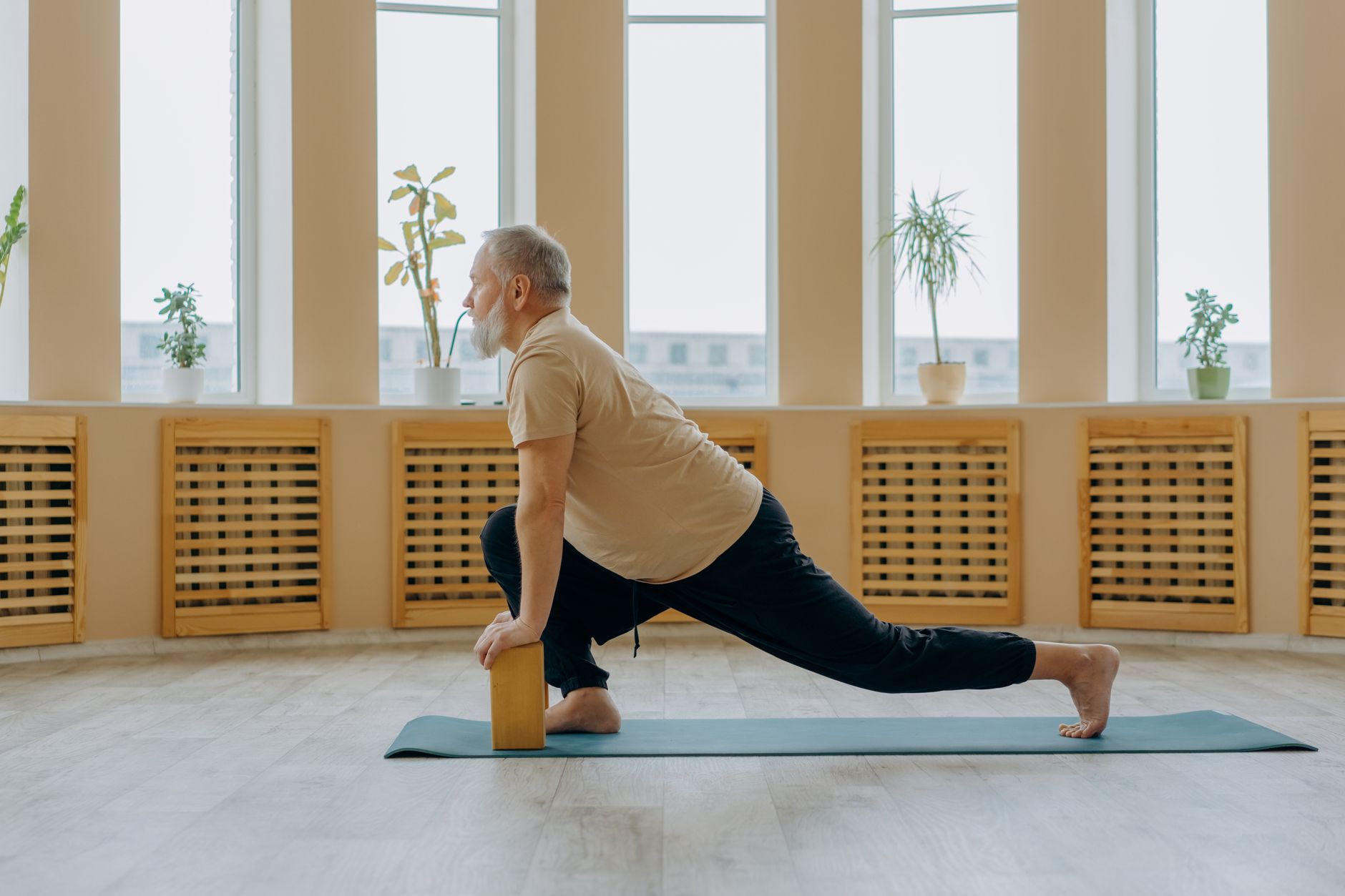
Morning stretches are especially helpful because joints often feel stiffest after a night of inactivity. Simple movements like shoulder rolls, gentle neck rotations, ankle circles, and knee-to-chest stretches can wake up your body and prepare your joints for the day ahead. You don’t need to hold stretches for long or push into painful ranges – slow, comfortable stretches held for fifteen to thirty seconds work well.
Consider making stretching part of your established routines. Stretch while your morning tea steeps, or do a few gentle movements before getting out of bed. Some people find that stretching before bedtime also helps, promoting relaxation and potentially reducing overnight stiffness. The important thing is building the habit so it becomes as automatic as brushing your teeth.
Use Heat Therapy Strategically
Applying warmth to stiff joints is one of the oldest and most immediately comforting remedies available. Heat increases blood flow to the area, relaxes tight muscles, and can provide noticeable relief from stiffness. A warm bath or shower in the morning can be particularly helpful, as the heat surrounds your joints and the movement in water adds gentle exercise.
Heating pads, hot water bottles, or warm compresses work well for targeting specific joints that feel especially stiff. Many people find that applying heat for fifteen to twenty minutes before activity helps loosen things up. Some prefer heat therapy in the evening as part of their wind-down routine, which can ease discomfort and promote relaxation before sleep.
You can incorporate heat therapy into activities you already do. Take a slightly longer warm shower and use that time to gently move your joints through their range of motion. Soak in a warm bath while reading or listening to music. Use a microwavable heating pad while watching your favorite show. The goal is making heat therapy feel like a pleasant part of your routine rather than a medical chore.
Stay Hydrated Throughout the Day
Drinking enough water might not seem directly connected to joint comfort, but proper hydration plays an important role. Your joints rely on synovial fluid for lubrication and cushioning, and staying adequately hydrated helps maintain that fluid’s volume and effectiveness. When you’re well-hydrated, there’s less friction in your joints, which can translate to less stiffness and smoother movement.
The amount of water you need varies based on your size, activity level, and climate, but a good general approach is to drink water regularly throughout the day rather than waiting until you feel thirsty. Keep a water bottle at your desk, drink a glass with each meal, and sip water during and after exercise. Your urine color provides a helpful gauge – pale yellow generally indicates good hydration.
Beyond plain water, you can count herbal teas, broths, and water-rich foods like cucumbers, watermelon, and oranges toward your fluid intake. Some people find they drink more when they make it enjoyable – adding a slice of lemon or cucumber, choosing a favorite water bottle, or setting gentle reminders on their phone. The habit matters more than achieving a specific number of glasses.
Maintain a Healthy Body Weight
The connection between body weight and joint stiffness is straightforward but significant. Weight-bearing joints – particularly your knees, hips, and ankles – experience greater stress when carrying extra pounds. Even modest weight loss can substantially reduce the load on these joints, which often translates to less stiffness and improved mobility.
Think of it in practical terms: every pound of body weight puts several pounds of pressure on your knees when you walk. Reducing that pressure through gradual, sustainable weight loss gives your joints a break. This doesn’t mean you need dramatic changes or restrictive diets. Small, consistent adjustments to eating habits and activity levels often prove more effective and sustainable than extreme measures.
Focus on habits rather than numbers on a scale. Choose more vegetables, whole grains, and lean proteins. Reduce processed foods and added sugars when you can. Combine reasonable eating habits with the regular movement we discussed earlier – walking, swimming, or cycling – and you’re addressing joint stiffness from multiple angles simultaneously. The goal is supporting your joints through realistic, maintainable lifestyle choices.
Q&A
Why are my joints stiffer in the morning than later in the day?
Morning stiffness happens because your joints have been relatively still during sleep, allowing fluid to settle and muscles to tighten. Additionally, your body produces less of certain natural anti-inflammatory compounds during the night. Once you start moving, circulation increases, synovial fluid begins lubricating the joints more effectively, and stiffness typically decreases. This is why gentle morning stretches and movement can be so helpful – they essentially jumpstart this natural loosening process.
How long should I wait to see improvement from these daily habits?
The timeline varies from person to person, but many people notice some improvement within a few weeks of consistently practicing these habits. Heat therapy and gentle movement often provide immediate, temporary relief, while building strength through regular exercise and making weight adjustments typically show more noticeable benefits after several weeks to a few months. The key word is consistency – these habits work best when they become regular parts of your routine rather than occasional interventions.
Can cold weather really make joint stiffness worse?
Many people report increased stiffness in cold weather, and there are several possible explanations. Cold temperatures can cause muscles and tissues around joints to tighten, and barometric pressure changes that often accompany weather shifts may affect how joints feel. Additionally, people tend to be less active in cold weather, which can contribute to stiffness. While you can’t control the weather, you can counteract these effects by maintaining regular movement, using heat therapy, dressing warmly, and staying active even during colder months.
Should I exercise when my joints feel stiff, or should I rest?
Gentle movement is generally beneficial for minor joint stiffness, but there’s an important distinction between stiffness and pain. If your joints feel stiff but not acutely painful, light activity like walking or gentle stretching usually helps. Start slowly and let your body warm up gradually. However, if you experience sharp pain, significant swelling, or if movement makes things notably worse, rest may be more appropriate. Learning to distinguish between the productive discomfort of loosening up stiff joints and the warning signals of genuine injury takes time and attention to your body’s responses.
For Conclusion
Joint stiffness doesn’t have to dictate how you move through your day. While it’s a common experience, particularly as we get older or after periods of inactivity, the everyday habits we’ve explored offer real, accessible ways to ease discomfort and improve mobility. None of these approaches requires expensive equipment, special training, or dramatic lifestyle overhauls. They’re simply gentle, consistent practices that support your body’s natural ability to maintain healthy joints.
What makes these habits particularly valuable is how they complement each other. Staying hydrated supports the effectiveness of your synovial fluid while you’re stretching. Regular movement strengthens the muscles that protect your joints while helping maintain a healthy weight. Heat therapy relaxes tight tissues before and after activity. Together, these small daily choices create a foundation for better joint comfort.
Remember that everyone’s body responds differently, and finding the right combination of habits for you might take some experimentation. Start with one or two approaches that feel most manageable, build them into your routine, and then add others gradually. The goal is creating sustainable habits that genuinely fit your life, not adding stress through complicated regimens you can’t maintain.
This article is for general information only and is not medical advice; talk to a qualified healthcare professional about your own situation.