When you step into a child’s bedroom, you want it to feel like more than just a place to sleep. You want it to feel like their own little world, a space that sparks wonder and makes them excited to spend time there. One of the most powerful ways to create that sense of magic is through dreamlike art. These aren’t just pretty pictures on the wall – they’re windows into imaginary worlds that can help shape how your child thinks, feels, and sees possibilities. The right art can turn an ordinary room into somewhere truly special, a place where creativity blooms and everyday worries fade away.
Why Dreamlike Art Matters for Growing Minds
There’s something remarkable about how children interact with art that doesn’t follow the usual rules. When you hang dreamlike or surreal pieces in their space, you’re giving them permission to think beyond the obvious. Fantasy art encourages children to envision worlds beyond the ordinary, and that kind of thinking becomes the foundation for creative problem-solving later in life.
What makes dreamlike art especially valuable is how it creates space for emotional exploration. The abstract and symbolic nature of surreal imagery gives children a safe way to process complex feelings they might not have words for yet. A painting of a floating house or a tree growing upside-down doesn’t demand a single correct interpretation. Instead, it invites your child to bring their own meaning to what they see, developing emotional intelligence alongside creativity.
The cognitive benefits extend beyond emotions. When children encounter ambiguous, dreamlike scenarios in art, they develop flexibility in their thinking. They learn to adapt to unexpected situations and consider multiple perspectives. This isn’t just about art appreciation – it’s about building mental habits that serve them well in school, friendships, and navigating life’s surprises. Plus, surrounding them with visually interesting work often sparks an interest in creating their own art, nurturing those artistic abilities from an early age.
Creating Atmosphere Through Color and Theme
The colors you choose for dreamlike art set the entire mood of the room. Bright yellows and oranges bring energy and can spark creative thinking during playtime, while calming blues and greens help create a peaceful atmosphere that makes bedtime routines easier. Soft, flowing designs paired with vibrant colors tend to lift children’s spirits and contribute to healthy brain development by providing visual stimulation without overwhelming their senses.
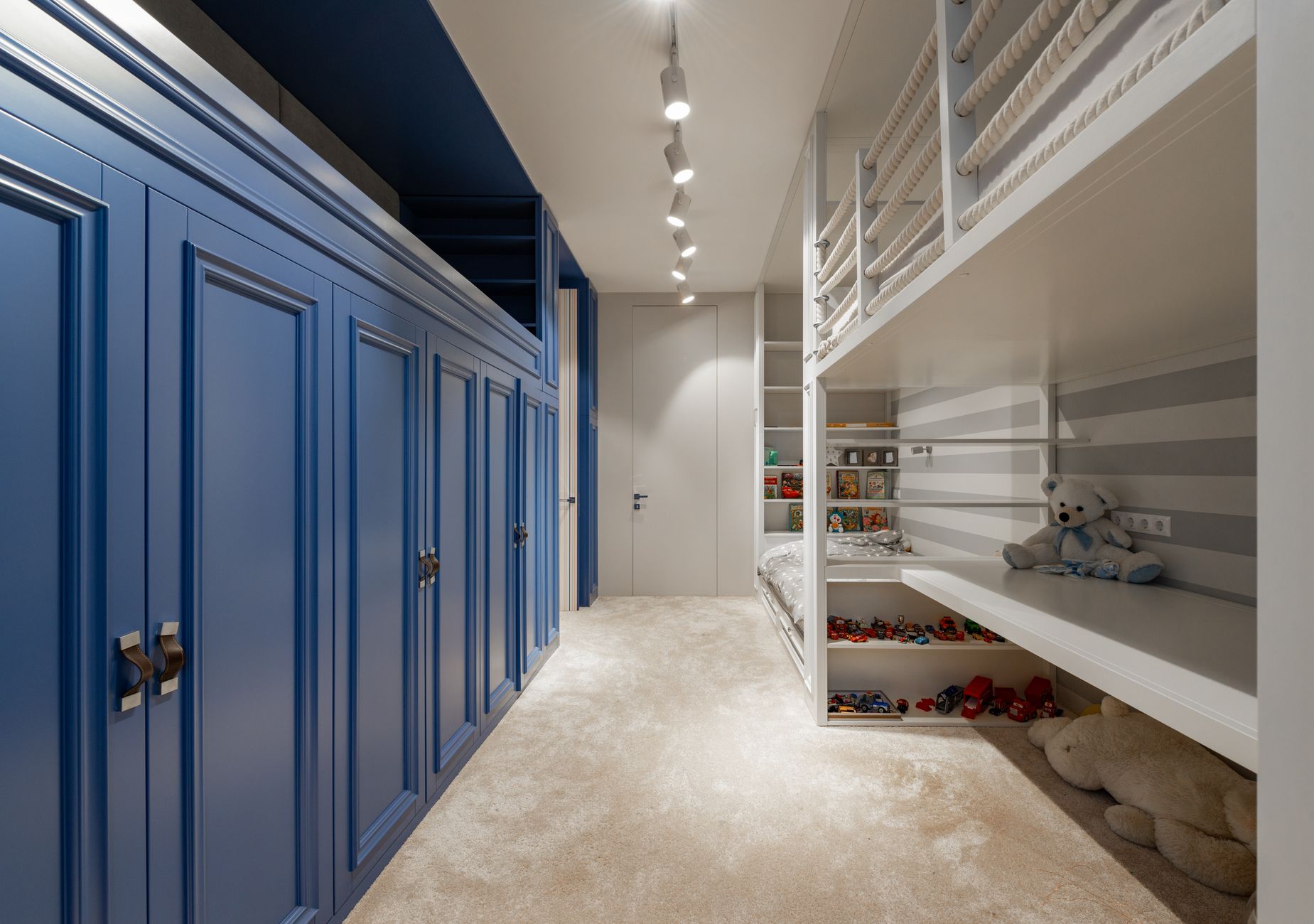
When it comes to themes, you have wonderful options that transport children into storybook worlds. An enchanted forest theme featuring trees, mushrooms, and friendly woodland creatures creates a natural sense of adventure. Night sky artwork with moons, stars, and dreamy clouds introduces a peaceful, contemplative quality that works beautifully in a sleep space. These aren’t random decorations – they’re carefully chosen elements that shape how your child experiences their room.
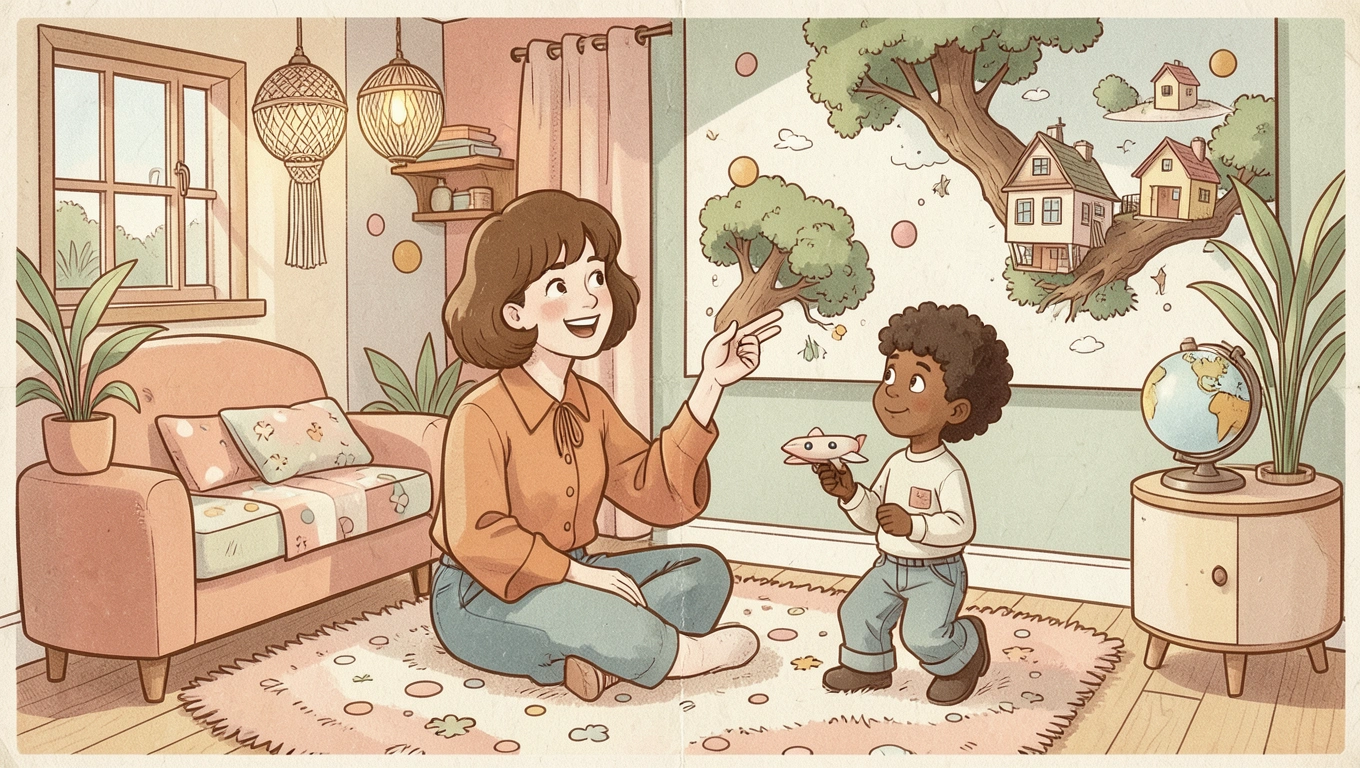
The beauty of murals depicting fantastical scenes is how they invite ongoing engagement. Imagine jungle trees with monkeys mid-swing or majestic whales gliding through an ocean sky. These scenes have built-in movement and narrative possibility. Your child doesn’t just glance at them once – they return again and again, imagining what happens next, creating new stories, developing their visual literacy as they notice details they missed before.
Practical Choices That Grow With Your Child
One of the smartest things you can do is choose dreamlike art that won’t feel babyish in a few years. Nature illustrations, abstract shapes, and modern botanical designs work beautifully in a nursery but transition seamlessly into a school-age bedroom. This saves you money and reduces waste, but more importantly, it gives your child’s room a sense of continuity as they grow.
For younger children, you’re making the artistic choices, but as they get older, involving them in the selection process becomes part of the magic. Decorating with your child can become a meaningful family activity, teaching them about making choices for their environment and respecting their developing preferences. A ten-year-old who helped choose the constellation map on their wall feels ownership of their space in a way that purely parent-selected decor never achieves.
When shopping for dreamlike pieces, you’ll find options across every price point. Platforms like Etsy offer whimsical peel-and-stick wallpaper murals, woodland animal decals, and surreal posters featuring dreamy landscapes with playful twists. Retailers like Dunelm provide bedding collections with enchanted themes that complement wall art. For something more elaborate, brands like Circu Magical Furniture create pieces inspired by magical themes – beds reminiscent of classic fairy tales, mushroom-inspired lighting, and cloud-shaped shelves that reinforce imagination throughout the entire room, not just on the walls.
Adding Surreal Touches That Delight
Sometimes the most memorable dreamlike elements are the unexpected ones. Incorporating everyday items in surprising sizes – like an oversized desk lamp that looks like it wandered out of a giant’s study – adds a surrealist touch that children find endlessly delightful. Optical illusion rugs can make the floor itself feel like part of the fantasy, blurring the line between functional furniture and artistic expression.
Fairy lights remain popular for good reason. They transform any room into something magical with minimal effort and cost. Draped around a canopy, outlining a reading nook, or arranged to mimic starlight, they create atmosphere in ways that overhead fixtures never quite manage. Cloud-shaped designs for shelving, lighting, or even ceiling decorations bring that relaxing, earthbound-meets-sky feeling that defines dreamlike spaces.
The key is balance. You want enough dreamlike elements to create an immersive feeling without overwhelming the space or making it feel chaotic. Think of it like seasoning food – a few well-chosen pieces have more impact than covering every surface. A stunning mural on one wall, thoughtful lighting, and a couple of surreal touches often work better than trying to make every element fantastical.
This article is for general information only and is not medical advice; talk to a qualified healthcare professional about your own situation.
Ques and Ais
What age is best for introducing dreamlike art in a child’s room?
You can start from infancy, though the complexity should match their developmental stage. Babies benefit from simple, high-contrast dreamlike shapes, while older children appreciate more detailed surreal scenes. The art grows more sophisticated as they do, supporting their expanding imagination at each stage.
Will surreal art confuse young children or give them nightmares?
Well-chosen dreamlike art is whimsical and wonder-filled rather than dark or scary. Avoid imagery that’s genuinely unsettling, and focus on gentle surrealism like floating objects, friendly creatures, or impossible landscapes. These spark imagination without causing fear, especially when colors remain soft and inviting.
How do I choose dreamlike art for a small bedroom?
In smaller spaces, one statement piece works better than multiple competing artworks. A single wall mural or large framed print creates impact without cluttering. Light, airy dreamlike themes with soft colors also help small rooms feel more spacious rather than cramped.
Can I mix dreamlike art with other decor styles?
Absolutely. Dreamlike pieces actually blend well with both minimalist and more traditional children’s rooms. The key is choosing artwork whose color palette complements your existing furniture and textiles. Dreamlike doesn’t mean overwhelming – it can be subtle and sophisticated.
Should I let my toddler help choose their room’s dreamlike art?
Offering limited choices works wonderfully with toddlers. Present two or three pre-selected options that you’d be happy with, then let them pick their favorite. This gives them agency and investment in their space while ensuring the final choice still works aesthetically and practically.
So, What We Learned?
Creating a special space for your child isn’t about expensive furniture or following the latest design trends. It’s about understanding that their bedroom shapes how they see themselves and the world around them. Dreamlike art offers something unique – it validates imagination as important, it provides visual language for feelings they’re still learning to name, and it makes their room feel truly theirs. Whether you choose a full enchanted forest mural or simply add a few whimsical prints above their bed, you’re sending a powerful message that creativity and wonder have a permanent place in their daily life.
The most beautiful part is how these artistic choices ripple outward. A child who grows up surrounded by dreamlike imagery learns that reality isn’t the only thing worth paying attention to. They learn that “what if” questions matter, that beauty comes in unexpected forms, and that their own creative interpretations are valuable. Years from now, they might not remember the exact painting that hung on their wall, but they’ll remember how their room made them feel – like anything was possible.