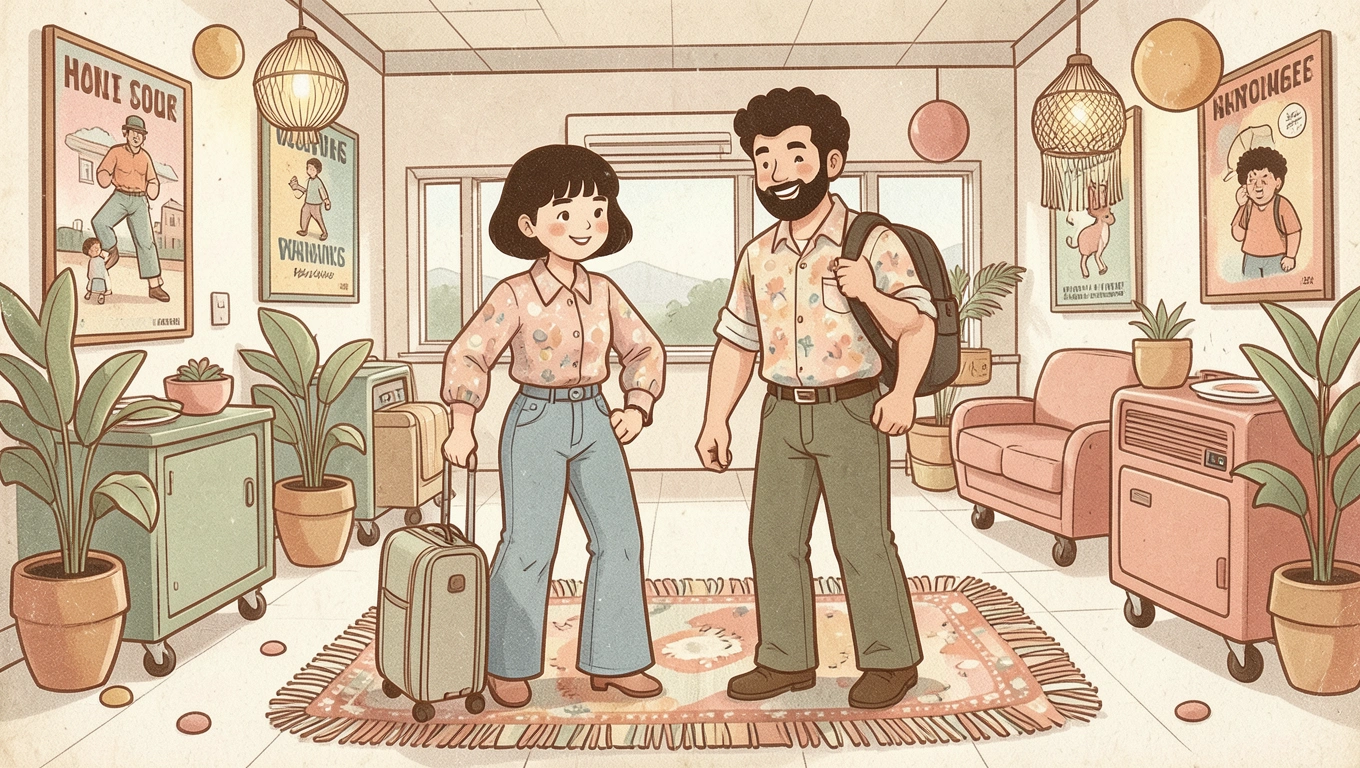
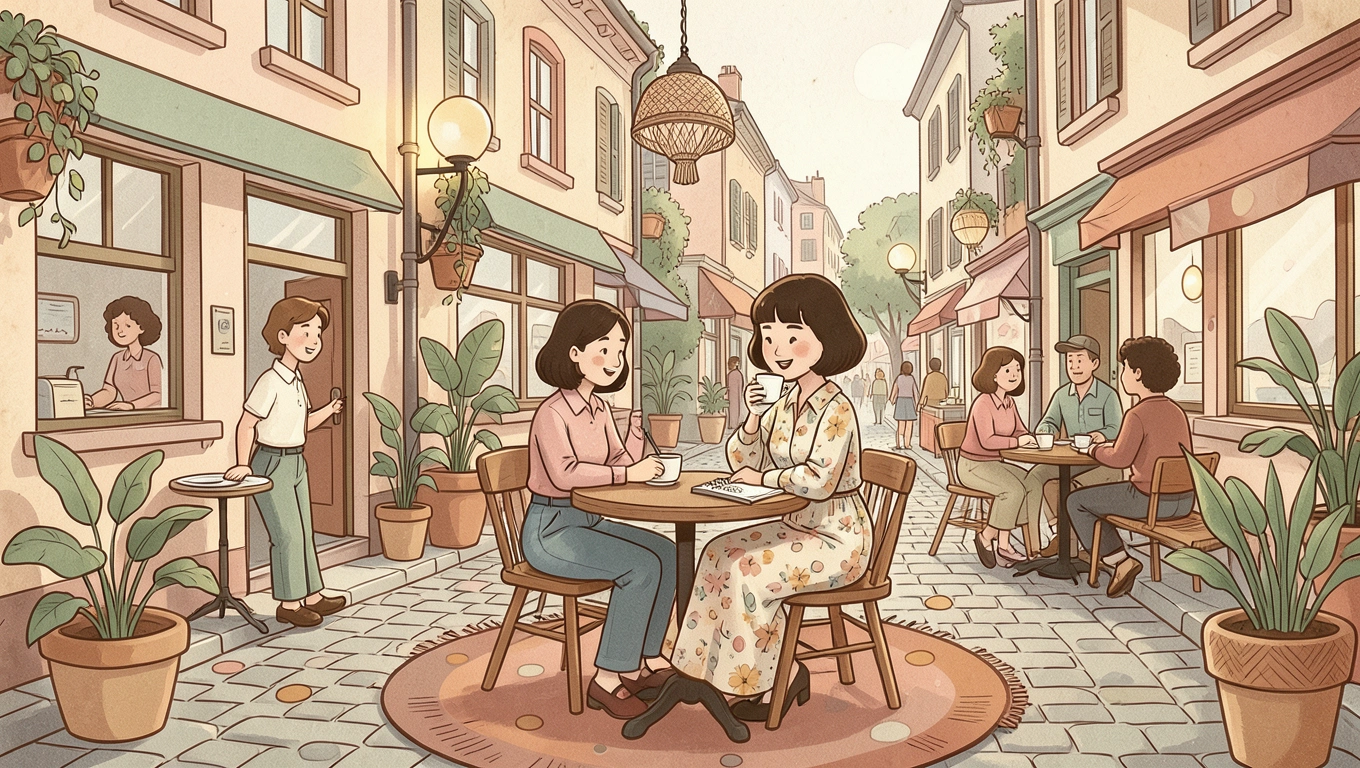
Travel used to mean cramming as much as possible into every precious vacation day. But something has shifted. More people are stepping off the treadmill of packed itineraries and choosing something different: slower trips, quieter destinations, and the space to actually breathe. Instead of racing from one landmark to the next, travelers are spending longer in fewer places, seeking out neighborhoods instead of tourist traps, and prioritizing how a trip feels over how many photos they take. This isn’t just a trend among retirees with unlimited time. It’s reshaping how people of all ages think about what makes travel worthwhile.
The Burnout Factor: Why Rushing Through Vacation Stopped Making Sense
We’ve all been there. You come home from a trip exhausted, needing a vacation from your vacation. When every day is a sprint through museums, monuments, and must-see spots, travel stops feeling restorative and starts feeling like work. The shift toward simpler itineraries reflects a growing awareness that the quality of an experience matters more than the quantity of sights checked off.
Stress doesn’t take a vacation just because you do. When you’re constantly moving, catching early flights, navigating unfamiliar transit systems under time pressure, and eating meals on the run, your body stays in high alert mode. The mental and physical toll adds up. Slower travel offers an antidote: mornings without alarm clocks, afternoons spent lingering over coffee, evenings that unfold naturally instead of according to a rigid schedule. This approach recognizes that rest and rejuvenation require actual downtime, not just a change of scenery.
The pandemic also played a role in this recalibration. Lockdowns and travel restrictions gave people time to rethink what they were rushing toward and why. Many realized they didn’t miss the frantic pace. They missed connection, discovery, and the feeling of truly being somewhere, not just passing through. That reflection has stuck around, influencing how people plan trips now that the world has reopened.
Authentic Experiences Over Instagram Moments
There’s a difference between seeing a place and experiencing it. When you slow down, you have the chance to do the latter. Instead of standing in line for hours to snap a photo at the same angle as thousands of others, slower travelers are wandering residential streets, shopping at local markets, and striking up conversations with people who actually live there. These moments don’t always make for viral posts, but they tend to be the ones you remember years later.
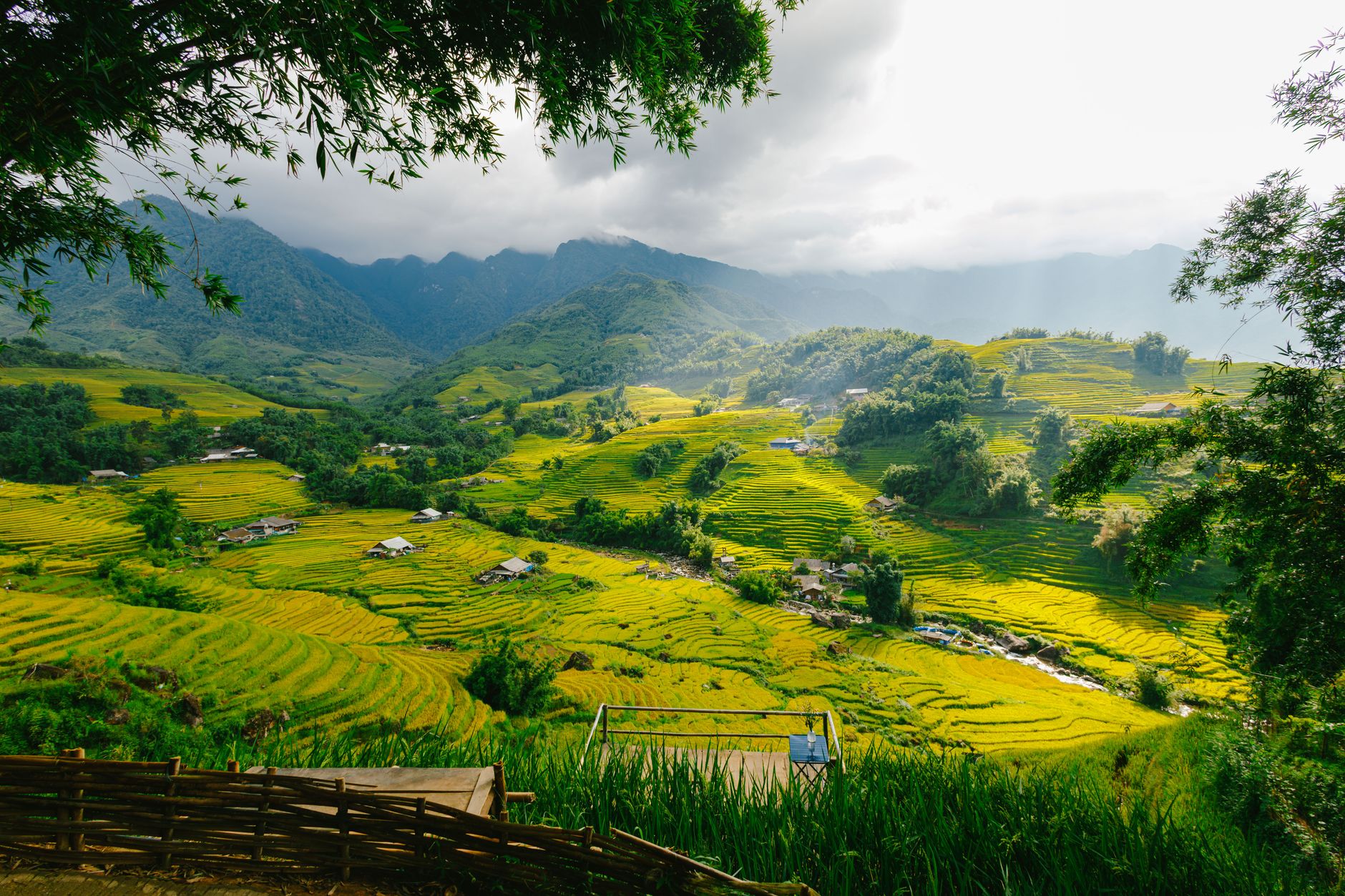
Cultural immersion requires time. You can’t understand a place by spending three hours there. But spend three days in one neighborhood, eating at the corner restaurant, chatting with the baker, watching how the light changes throughout the day, and you start to get a sense of what life is actually like. This deeper connection is what many travelers now crave. They want to feel like temporary residents, not perpetual outsiders rushing through.
This shift also means seeking out the places that haven’t been overrun yet. The hidden beaches, the family-run guesthouses, the towns that don’t appear in the top ten lists. These discoveries feel more personal and often provide a truer sense of a region’s character. When you’re not following the same well-worn tourist trail as everyone else, you’re more likely to encounter the unexpected, and that’s where the most meaningful travel stories begin.
Sustainability and the Ethics of Where We Go
Overtourism isn’t an abstract problem anymore. Popular destinations are visibly struggling under the weight of too many visitors. Venice limits cruise ships. Barcelona cracks down on short-term rentals. Small islands run out of water during peak season. Travelers are starting to recognize that their presence has an impact, and many are choosing to minimize it.
Slower, less crowded travel naturally aligns with sustainability. When you stay longer in one place, you produce less transportation-related emissions. When you choose smaller, locally-owned accommodations and eat at neighborhood restaurants, more of your money stays in the community. When you visit during shoulder season or explore lesser-known areas, you help distribute tourism’s economic benefits more evenly instead of concentrating all the pressure on a few hotspots.
Travelers are increasingly prioritizing quiet over crowds, not just for their own comfort but out of respect for the places they visit. There’s a growing awareness that loving a place to death serves no one. By choosing destinations that can comfortably handle visitors and traveling in ways that support rather than strain local resources, conscious travelers are trying to ensure these places remain special for future visitors and, more importantly, for the people who call them home.
Personal Growth and What We Gain by Slowing Down
Fast travel is often about consumption. You consume sights, consume experiences, collect memories like stamps in a passport. Slow travel invites something different: reflection, curiosity, and the space for genuine transformation. When you’re not constantly stimulated by novelty, you have room to process what you’re experiencing. You notice more. You think more deeply. You return home changed in ways that a whirlwind tour rarely allows.
The relationships you form while traveling slowly tend to run deeper too. When you frequent the same café for a week, the barista remembers your order. When you stay at a guesthouse for several days, you have real conversations with your hosts. These connections, however brief, add texture and warmth to a trip. They remind you that travel is ultimately about people, not just places.
There’s also something valuable in confronting boredom, in having an afternoon with nothing planned and discovering what emerges. Maybe you stumble into a local festival. Maybe you spend hours sketching in a park. Maybe you just sit and watch the world go by, something you never have time for at home. These unscripted moments often become the heart of the journey. They’re where self-discovery happens, where you learn what you actually enjoy when there’s no pressure to perform or achieve.
Slower travel also forces you to let go of the idea that you can see everything. You have to make choices, to accept that some famous sites will remain unvisited, and that’s okay. This acceptance is surprisingly freeing. It shifts the focus from what you didn’t do to what you did experience fully. Quality over quantity becomes more than a cliché. It becomes a guiding principle that changes not just how you travel, but how you think about time, presence, and what truly matters.
This article is for general information only and is not medical advice; talk to a qualified healthcare professional about your own situation.
Ques and Ais
What exactly is slow travel?
Slow travel means spending more time in fewer places, prioritizing depth of experience over breadth. Instead of rushing through multiple destinations, you immerse yourself in one location, exploring at a relaxed pace and connecting more meaningfully with the culture and community.
Is slow travel more expensive than regular travel?
Not necessarily. While you might spend more total days traveling, slow travel often reduces costs through weekly rental discounts, cooking your own meals, and avoiding expensive quick-turnaround transportation. Many slow travelers find it more budget-friendly than constantly moving between hotels and tourist restaurants.
How do I choose a destination for slow travel?
Look for places with strong local culture, walkable neighborhoods, and good infrastructure for longer stays. Consider shoulder season timing, smaller towns near major cities, or regions actively welcoming sustainable tourism. The best destinations are those where you can imagine living temporarily, not just visiting.
Can families with kids do slow travel?
Absolutely. Children often benefit even more from slower pacing, as constant moving can be especially exhausting for them. Staying put allows kids to establish routines, make friends at local playgrounds, and feel more comfortable in unfamiliar surroundings rather than being perpetually disoriented.
How long should a slow travel trip last?
There’s no magic number, but most slow travelers suggest at least a week in one place to start feeling the rhythm of local life. Even a long weekend using slow travel principles, staying in one neighborhood and moving deliberately, can offer benefits over cramming in multiple destinations.
So, What We Learned?
The rise of slower, less crowded travel reflects something deeper than just a preference for peace and quiet. It signals a fundamental rethinking of what we’re looking for when we leave home. We’re moving away from travel as achievement and toward travel as nourishment. We’re recognizing that the best trips aren’t always the ones with the longest checklists, but the ones that leave us feeling genuinely restored and connected to something beyond our daily routines.
This shift also carries responsibility. When we choose where to go and how to travel, we’re voting with our feet and our wallets. Supporting communities that need tourism revenue while avoiding those already overwhelmed, staying longer and traveling lighter, engaging authentically rather than extractively – these choices add up. They shape the future of travel for everyone.
If you’ve been feeling that familiar vacation exhaustion, that sense that you need to recover from your time off, maybe this approach is worth trying. Pick one place. Stay awhile. See what happens when you stop rushing. You might discover that the best part of travel isn’t how much you see, but how deeply you see it, and how much space you give yourself to simply be somewhere new.