
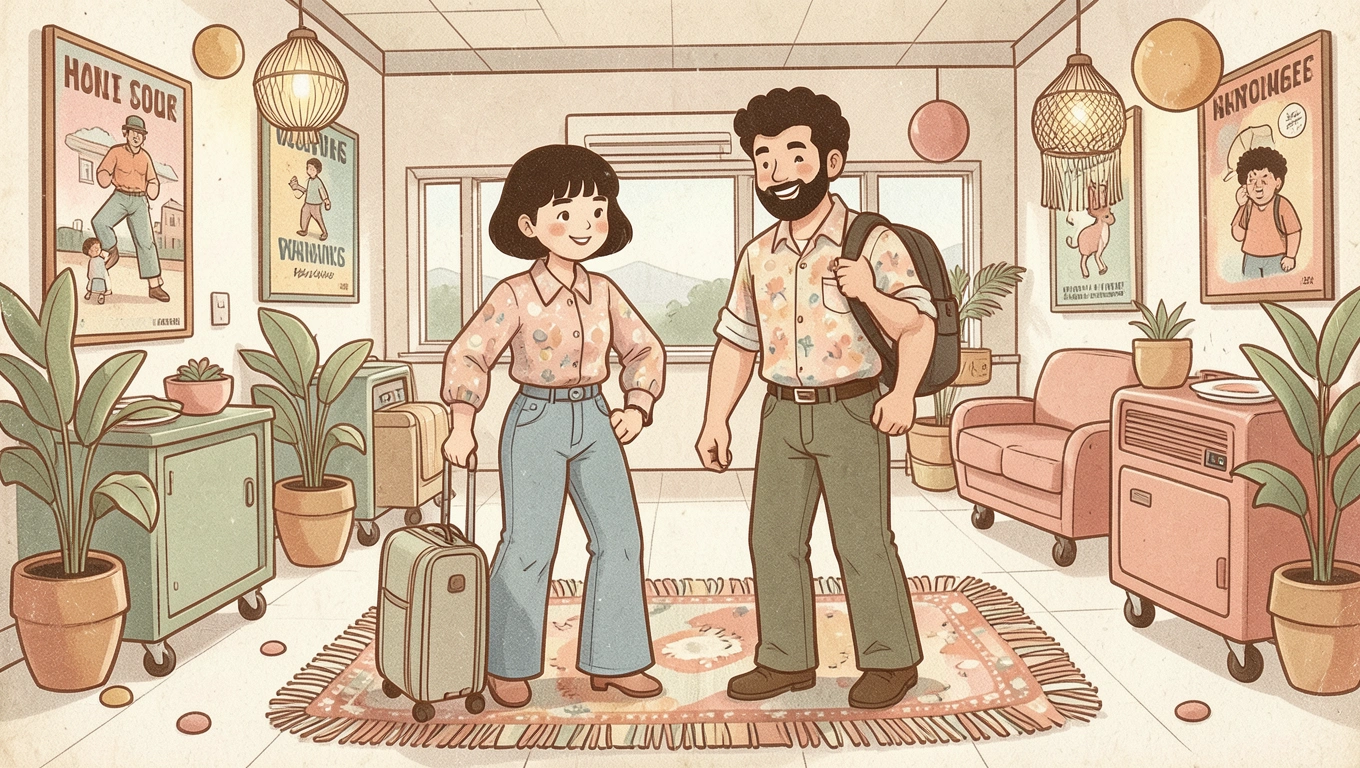
Weekend getaways should feel liberating, not like a logistical puzzle where you’re trying to cram an entire wardrobe into a carry-on. Yet so many of us end up overpacking, dragging bulky luggage through airports or cramming duffel bags into car trunks, only to realize we wore the same three outfits the whole trip. The good news is that packing light doesn’t mean sacrificing comfort or style. With a few thoughtful strategies, you can fit everything you need into a surprisingly small space and still have room to spare. The secret isn’t about buying expensive gear or mastering complex folding techniques. It’s about understanding how space actually works in a suitcase and making smarter choices about what you bring and how you arrange it.
Choose Your Luggage Wisely and Think Vertically
The bag you choose sets the stage for everything else. For a weekend trip, a single carry-on or a well-structured backpack is usually enough, and it forces you to be selective in the best possible way. Soft-sided bags with minimal internal structure can actually work to your advantage because they expand slightly and conform to whatever you’re packing, while hard-shell cases maintain rigid boundaries that sometimes leave awkward gaps.
Once you’ve selected your bag, think about packing vertically rather than in layers. When clothes are stacked flat, you have to dig through everything to find what’s at the bottom, and the weight of items on top creates wrinkles and wasted air pockets. Instead, pack items standing upright so you can see everything at once when you open your bag. This approach, sometimes called file-folding or vertical packing, transforms your suitcase into something more like a filing cabinet where each item has its own visible slot.
Rolling casual clothing is one of the most effective space-savers because it creates denser bundles and reduces trapped air between garments. T-shirts, jeans, casual dresses, and even lightweight sweaters roll beautifully. Start by laying the item flat, smooth out wrinkles, then roll tightly from one end to the other. The resulting cylinder takes up less room than a folded stack and resists creasing better than you might expect. For dressier items like button-down shirts or slacks that you want to keep crisp, folding along natural seams still makes sense, but for everything else, rolling wins.
Wear Your Bulkiest Items and Fill Every Gap
One of the simplest tricks to save suitcase space happens before you even zip the bag. Wearing your heaviest and bulkiest shoes or clothing items, such as boots or sweaters, on your journey can free up significant room in your luggage. That chunky pair of sneakers or your favorite leather boots might take up a quarter of your bag if packed, but they take up zero space when they’re on your feet. The same goes for jackets, hoodies, and cardigans. Yes, you might feel slightly overdressed in the airport or during the drive, but you can always remove layers once you’re settled, and the space you save is worth the temporary bulk.
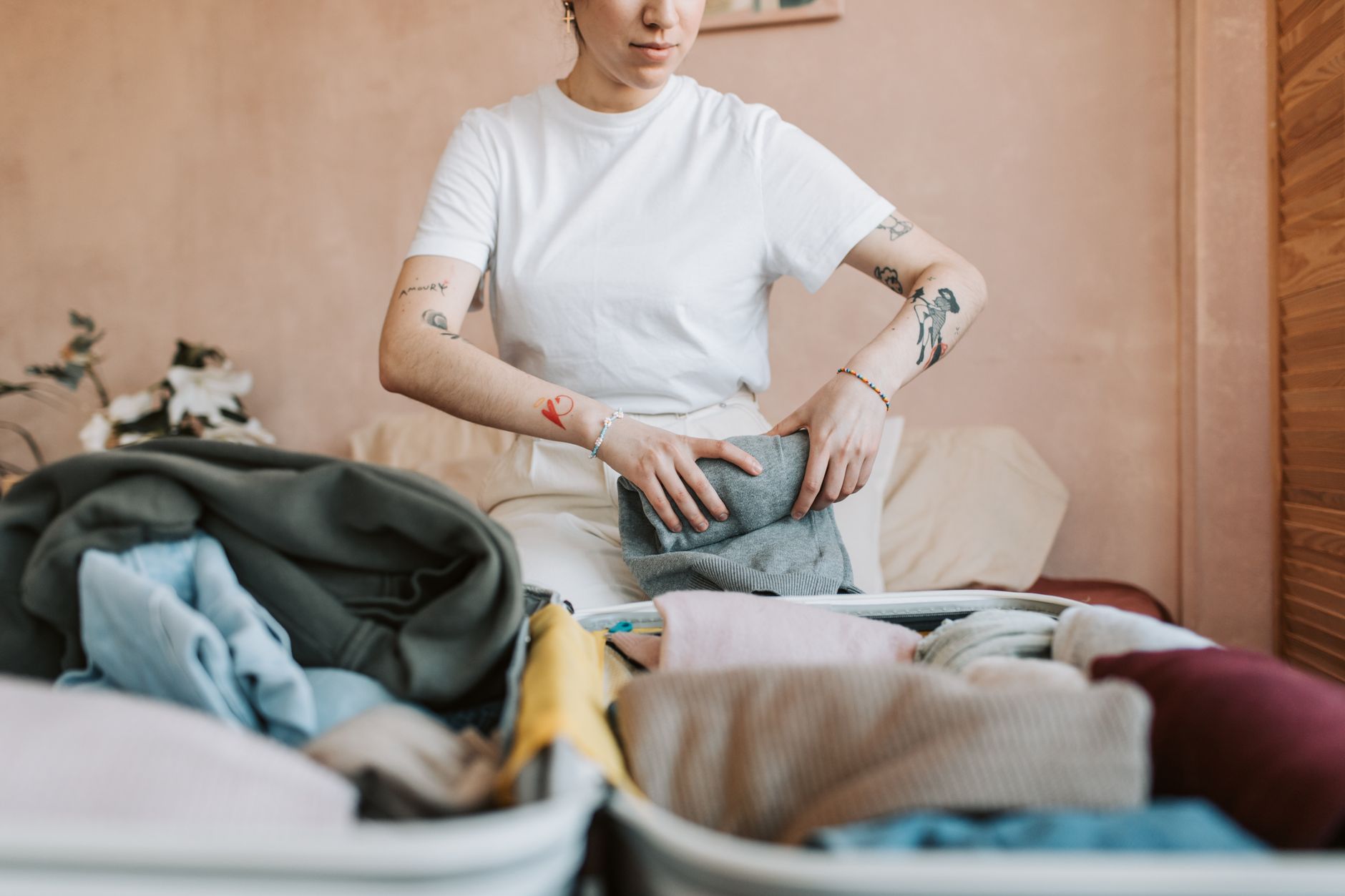
Shoes are particularly tricky because they’re rigid and create hollow spaces that seem like wasted potential. The solution is to stuff small items like socks, underwear, or jewelry into the empty spaces within your packed shoes. A pair of rolled socks fits perfectly inside most shoes, and you can tuck charging cables, earbuds, or other small accessories into the remaining gaps. This approach effectively utilizes otherwise wasted room and keeps delicate items protected at the same time.
Think of your suitcase as a three-dimensional puzzle where every gap is an opportunity. Belts can be coiled around the perimeter of your bag or threaded through shirt collars. Scarves can fill odd corners or wrap around breakable items for padding. The goal isn’t to cram thoughtlessly, but to be intentional about recognizing and using every bit of available space.
Use Packing Cubes and Compression Strategically
Packing cubes have become popular for good reason. Using packing cubes helps compress clothes and organize items, allowing you to fit more into your luggage and easily access specific belongings without unpacking everything. They work like drawers within your suitcase, keeping similar items together and preventing the dreaded luggage explosion when you open your bag in a hotel room.
The compression aspect is subtle but real. When you zip a cube closed, it creates gentle, even pressure that removes excess air and keeps clothes compact. You’re not vacuum-sealing anything, but you are creating tidy, stackable bundles that use space more efficiently than loose items tumbling around. A tested approach to packing for a three-day trip can fit comfortably into just a personal item when cubes are used thoughtfully.
Different sizes serve different purposes. Use a larger cube for bulkier items like pants and sweaters, a medium one for tops and undergarments, and a small one for accessories or toiletries. Color-coding or labeling cubes can save you time and frustration, especially if you’re traveling with family and need to distinguish whose belongings are whose. The organizational benefit alone justifies the small investment, and the space-saving element is a welcome bonus.
One word of caution: compression bags that require you to roll out all the air can be overkill for a weekend trip. They’re excellent for long trips or bulky winter gear, but for two or three days, they add complexity you probably don’t need. Standard packing cubes strike the right balance between organization, compression, and ease of use.
Pack Smarter, Not More
The most effective space-saving strategy isn’t about folding or gadgets. It’s about packing less in the first place. This requires a mindset shift from “what might I need” to “what will I actually use.” Most of us can get by with far fewer clothing options than we think, especially for a short trip.
Build outfits around a cohesive color palette so that everything mixes and matches. If all your tops work with all your bottoms, you’ve just multiplied your outfit options without adding a single extra item. Stick to versatile pieces that can be dressed up or down depending on the occasion. A simple black dress or a pair of dark jeans can anchor multiple looks with just a change of shoes or accessories.
Toiletries are another common source of unnecessary bulk. You don’t need full-size bottles for two nights away. Transfer products into small travel containers, or better yet, use solid alternatives like bar shampoo and conditioner that take up almost no space and won’t leak. Many hotels provide basics like soap and lotion, so check ahead and skip items you won’t need to bring.
Electronics and their accompanying cables can also spiral out of control. Consolidate where possible. A single multi-port charger can handle your phone, tablet, and other devices without requiring multiple adapters. A universal cable that works for several devices eliminates the need to pack three separate cords. Guidance on packing efficiently for a weekend often emphasizes reducing redundancy wherever you can.
The mental benefit of traveling light is just as valuable as the physical one. When you’re not weighed down by luggage, you move more freely, you’re less anxious about losing or damaging belongings, and you spend less time managing your stuff and more time enjoying your trip. It’s a small shift that makes the entire experience feel more effortless.
This article is for general information only and is not medical advice; talk to a qualified healthcare professional about your own situation.
Ques and Ais
Should I roll or fold clothes for a weekend trip?
Rolling works best for casual items like t-shirts, jeans, and activewear because it saves space and reduces wrinkles. Fold dressier garments like blazers or dress shirts along their natural seams to maintain a crisp appearance.
How many outfits should I pack for a three-day trip?
Plan for one outfit per day plus one extra top or versatile layer. Choose pieces that mix and match so you can create multiple looks without overpacking. Wearing items twice is perfectly fine for a short trip.
Are packing cubes really worth the investment?
Yes, they provide organization and gentle compression that makes a noticeable difference. You’ll find items faster, avoid rifling through your entire bag, and keep everything tidy throughout your trip. They’re especially helpful if you’re sharing luggage space.
What’s the best way to pack shoes without wasting space?
Wear your bulkiest pair during travel and pack only one additional pair. Stuff socks, underwear, or cables inside the shoes you do pack to use every bit of interior space efficiently and protect smaller items.
How do I avoid overpacking toiletries for a weekend getaway?
Use travel-size containers or solid product alternatives that take up minimal room. Check if your accommodation provides basics like shampoo and soap, and only bring items you truly can’t do without for two days.
So, What We Learned?
Packing for a weekend getaway doesn’t have to be a source of stress or a test of your Tetris skills. The strategies that work best are often the simplest ones: wear your bulkiest items, roll your casual clothes, fill empty spaces thoughtfully, and use organizational tools like packing cubes to keep everything tidy and compressed. But beyond the mechanics of folding and fitting, there’s a deeper lesson about intentionality. When you pack light, you’re making a deliberate choice to focus on what matters rather than preparing for every possible scenario. You’re trading the illusion of preparedness for the reality of freedom and ease.
The goal isn’t perfection or achieving some minimalist ideal. It’s about making your trip more enjoyable by reducing the friction that comes with managing too much stuff. Next time you’re getting ready for a quick escape, ask yourself what you’ll actually use rather than what you might need. Pack with purpose, leave room to breathe, and trust that you’ll figure out the rest when you get there. Travel, even just for a weekend, should feel like an adventure, not a chore. And that starts the moment you zip up a lighter, smarter bag.